

Place & Heritage
Vinícola de Arganda sits on the eastern side of the capital, in a zone where wine has been part of daily life since antiquity - hot continental days, cooler nights, and the river influence of the Jarama shaping the agricultural identity of the area. Its modern story is deeply tied to the cooperative movement: Arganda’s wine revival after the mid-20th century is strongly associated with the creation of local cooperatives, and the “primitiva Cooperativa Vinícola de Arganda” began its path in 1952, when local growers joined forces to respond to Madrid’s growing demand.
What makes it especially compelling for visitors is that it remains unmistakably working rather than staged - a place built around production, scale, and local continuity, not just the aesthetics of enotourism.
Family & Continuity
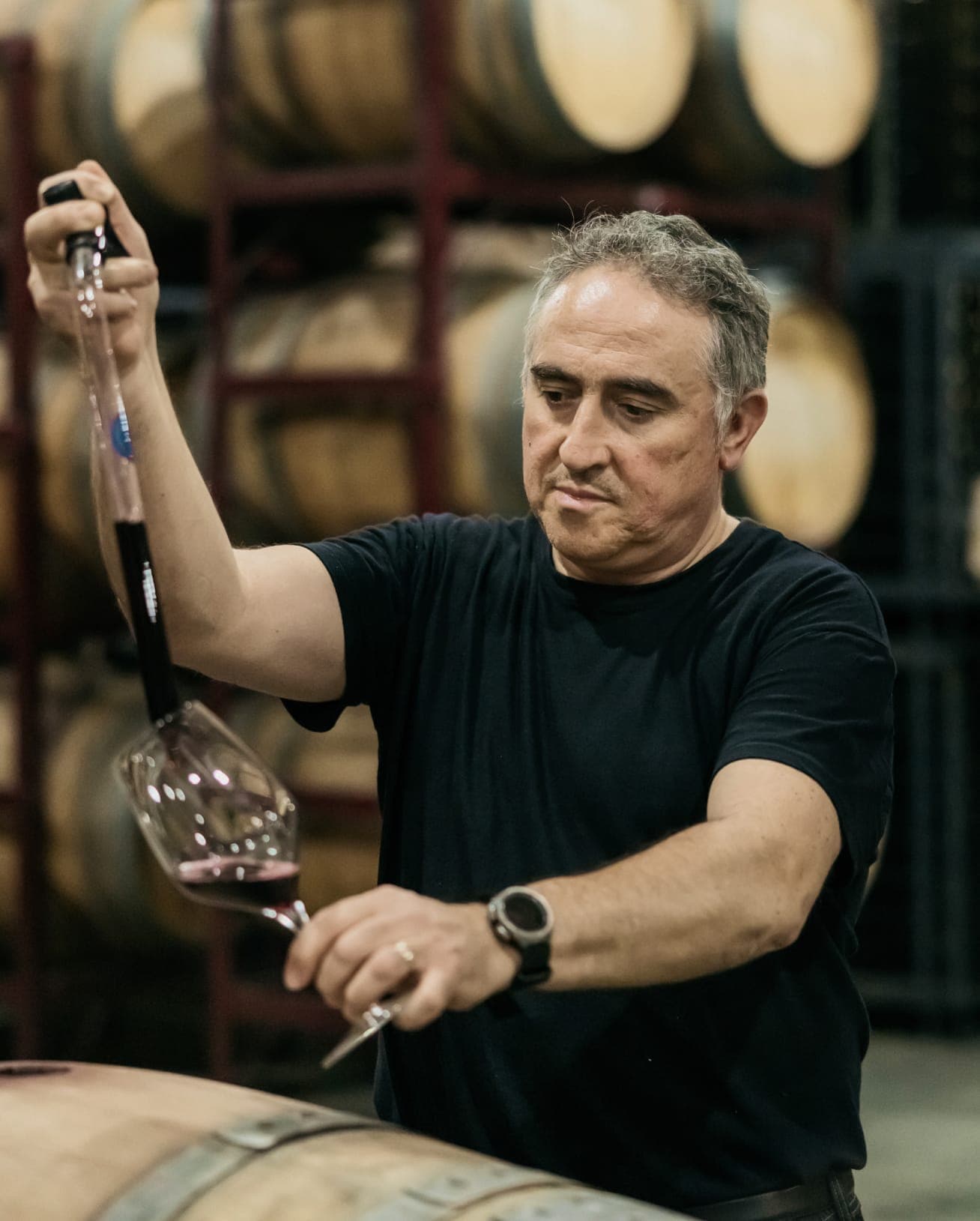
Vinícola de Arganda is structured as a growers’ cooperative - continuity here is collective, passed through generations of local viticulture rather than a single family surname. The winery itself emphasizes decades of accumulated experience in vineyard work and winemaking, paired with modern enological techniques oriented toward consistent quality and accessibility.
That cooperative identity is part of its charm: you feel you’re visiting the wine culture of a town, not only a brand.
Visit Vinícola de Arganda with Madrid Wine Country
Minimum Guests
Vineyards, Land & Grapes

Key grapes highlighted in their enotourism/route framing include:
Syrah
Tempranillo
Malvar (autóctona de Madrid)
Airén
Winemaking Philosophy
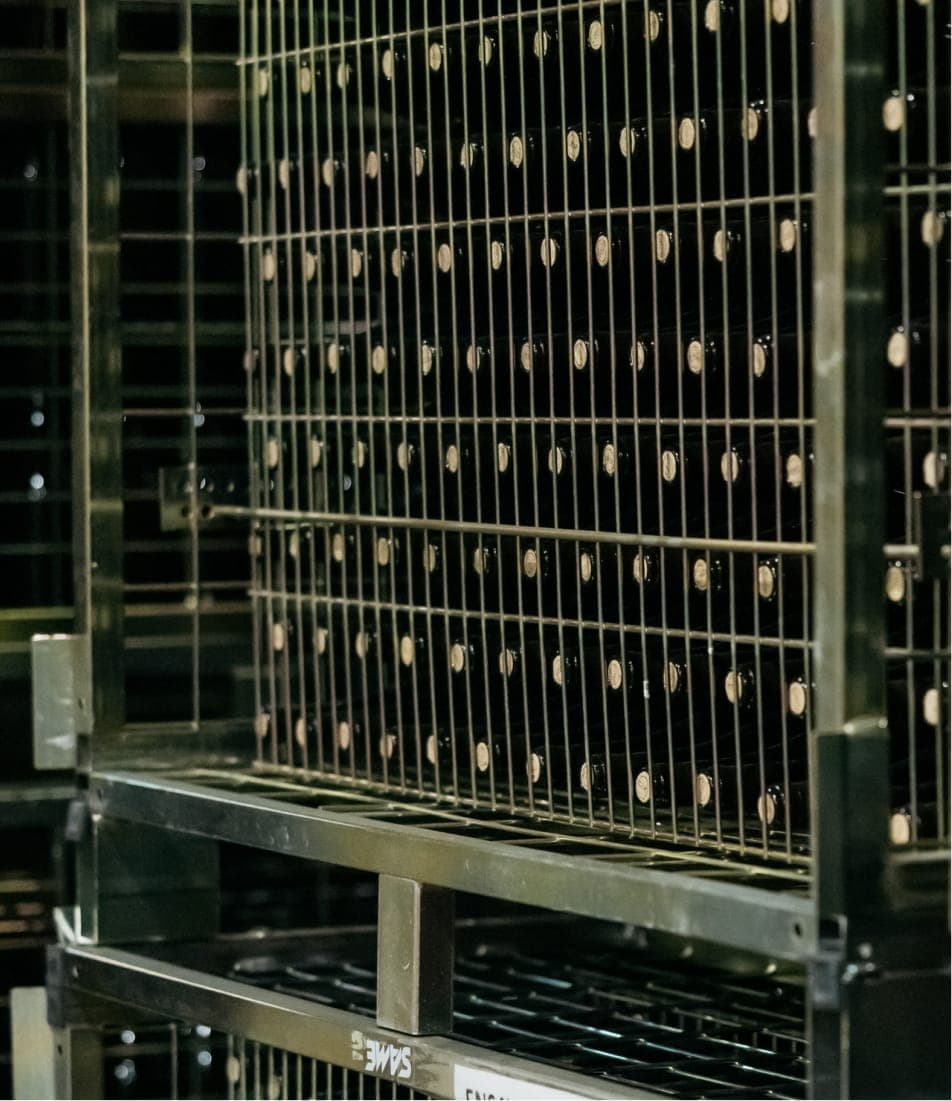
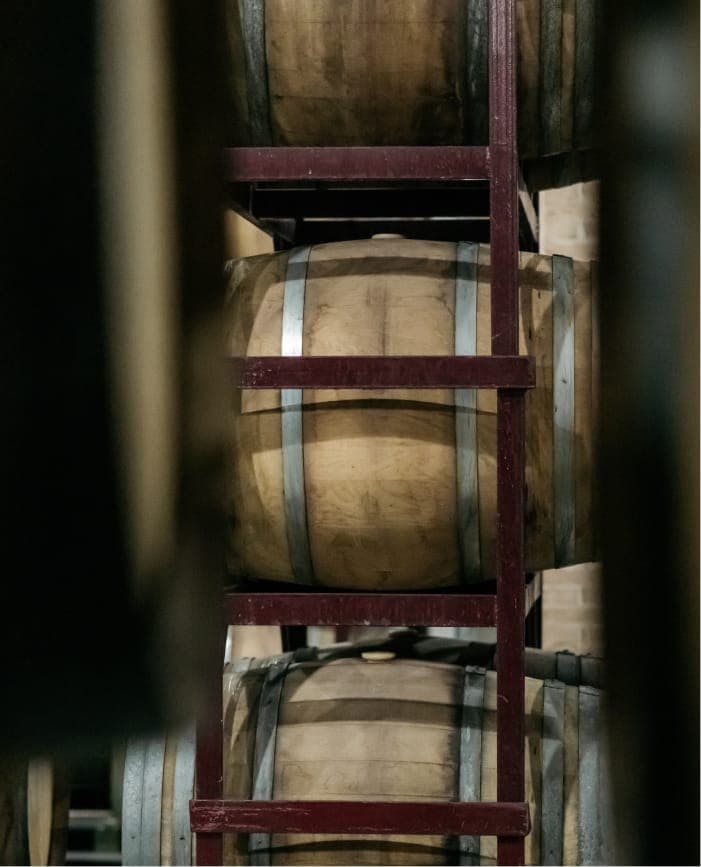
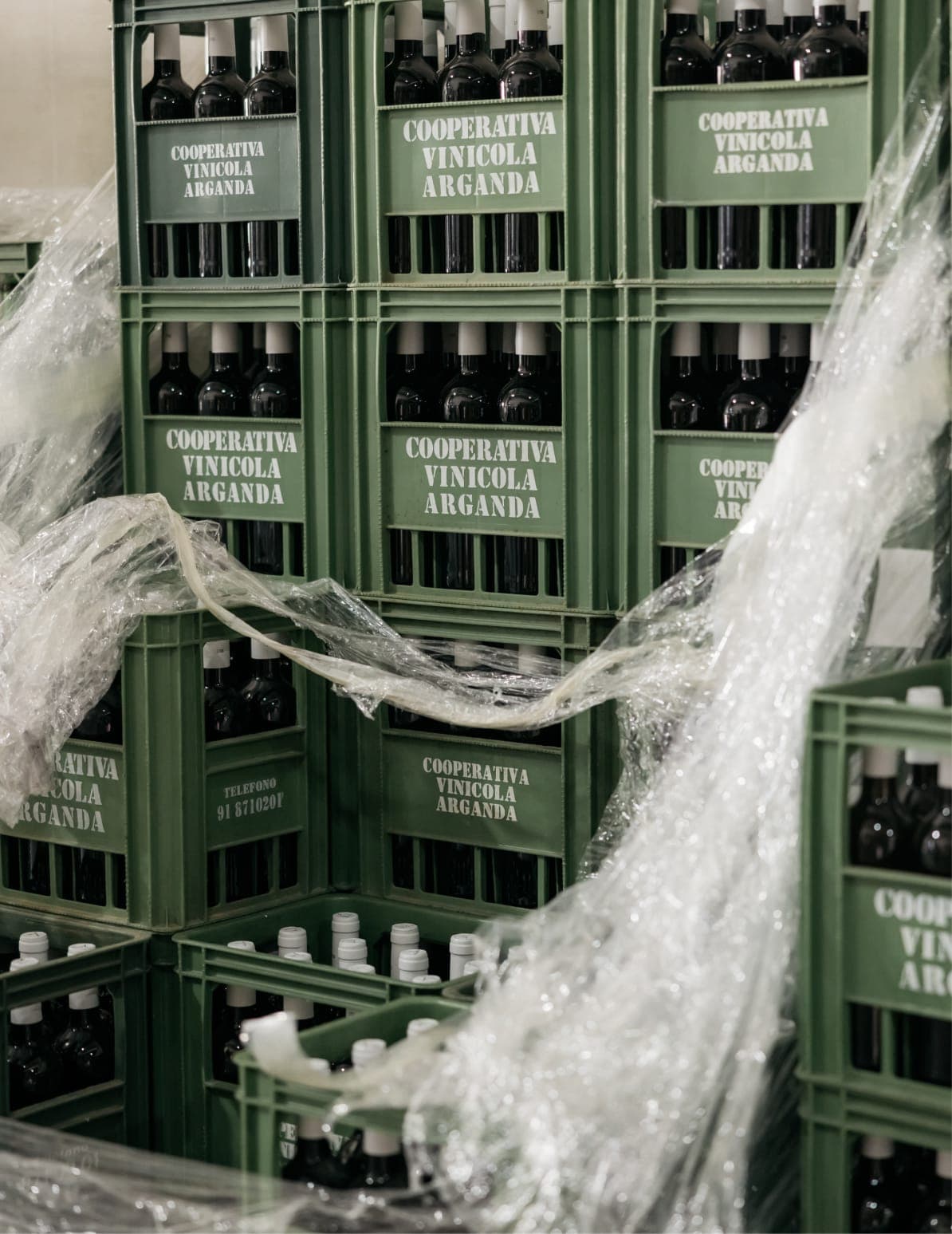
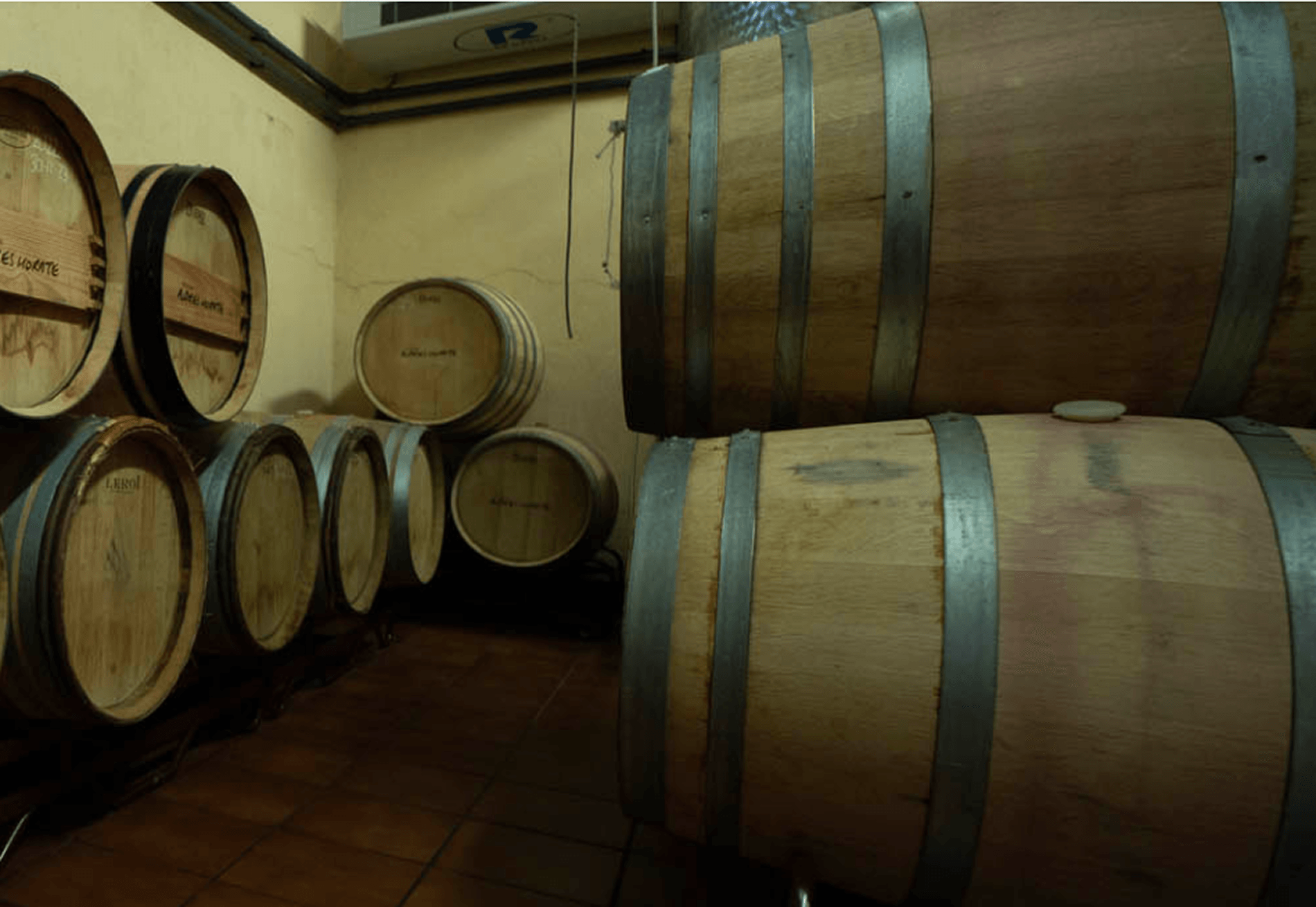
The house style, as presented in their own wine notes, is built around clear, legible winemaking and a classic Madrid-table sensibility: controlled fermentations, structured reds, and selective barrel aging (notably American oak appears in multiple cuvées) to build texture and familiarity rather than heaviness.
It’s a bodega that speaks in the language of drinkability and tradition - wines meant to be poured, shared, and returned to.
Wines
Vinícola de Arganda offers a broad, clearly named range that fits the cooperative spirit — from “gama alta” or premium reds to fresher, earlier-drinking styles:
Notable recognition (as listed by the winery)
Viña Rendero Crianza 2009 — Bacchus silver
Reds
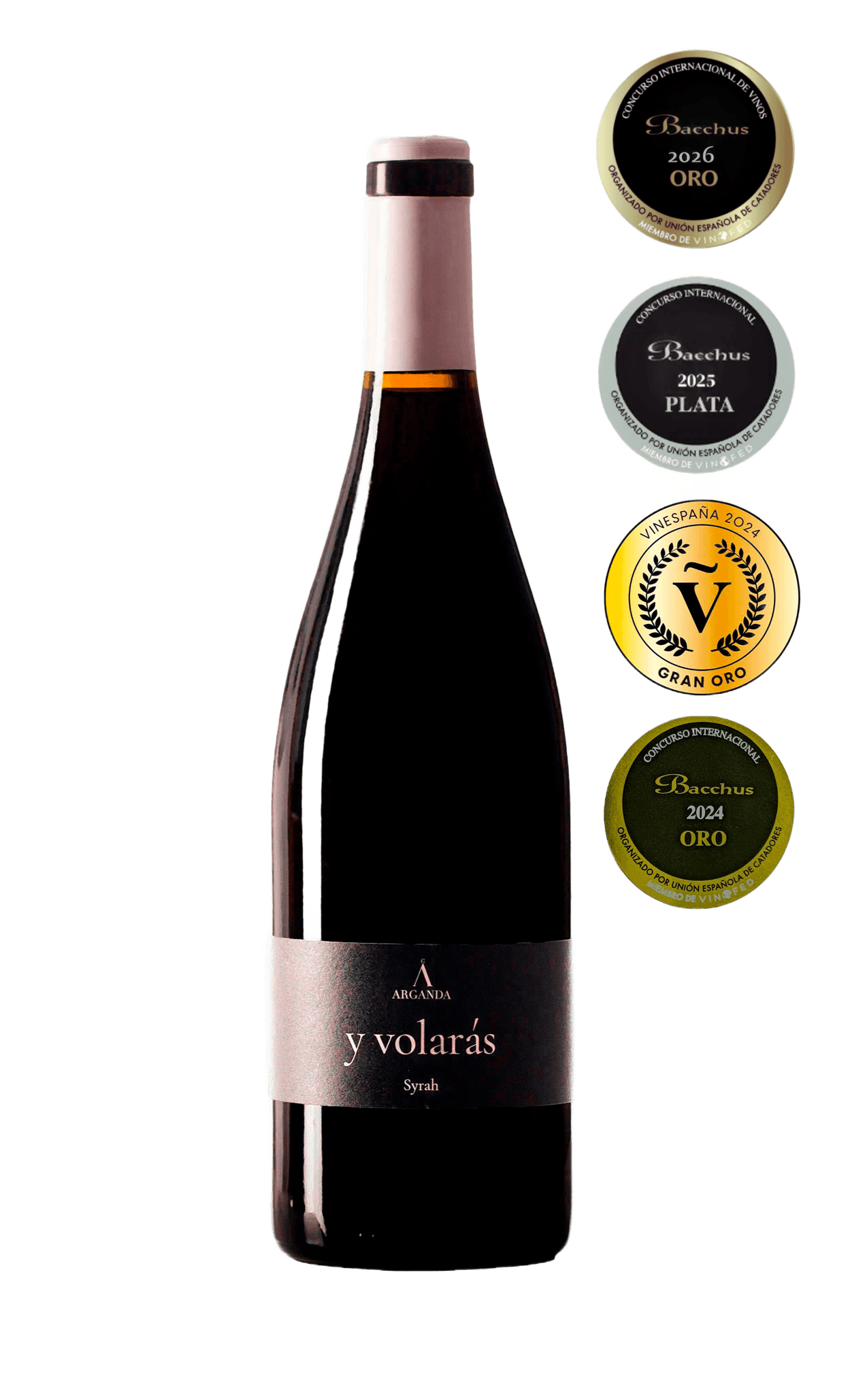
Y volarás
100% Syrah
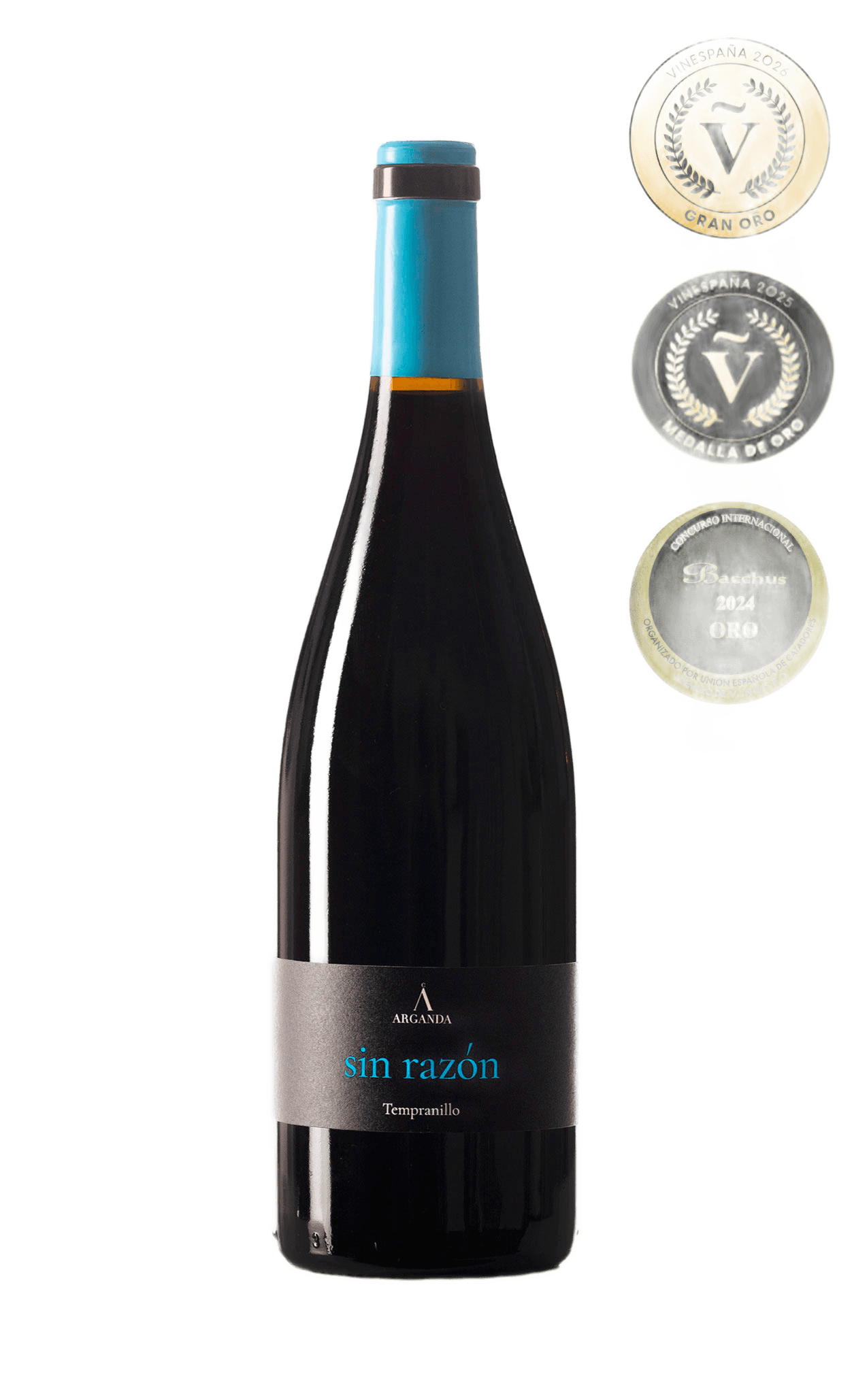
Sin razón
Tempranillo + Syrah
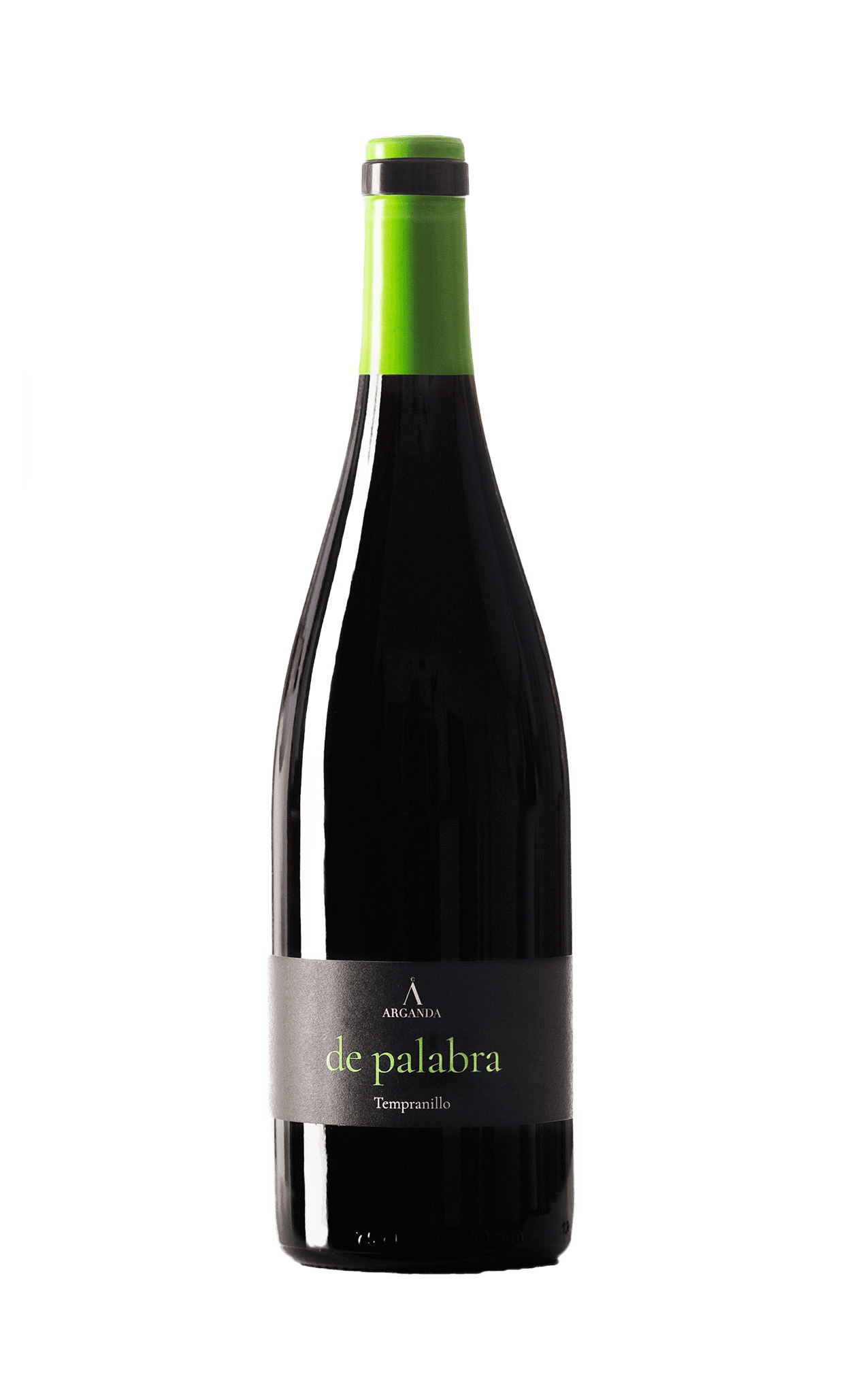
De palabra
Tempranillo
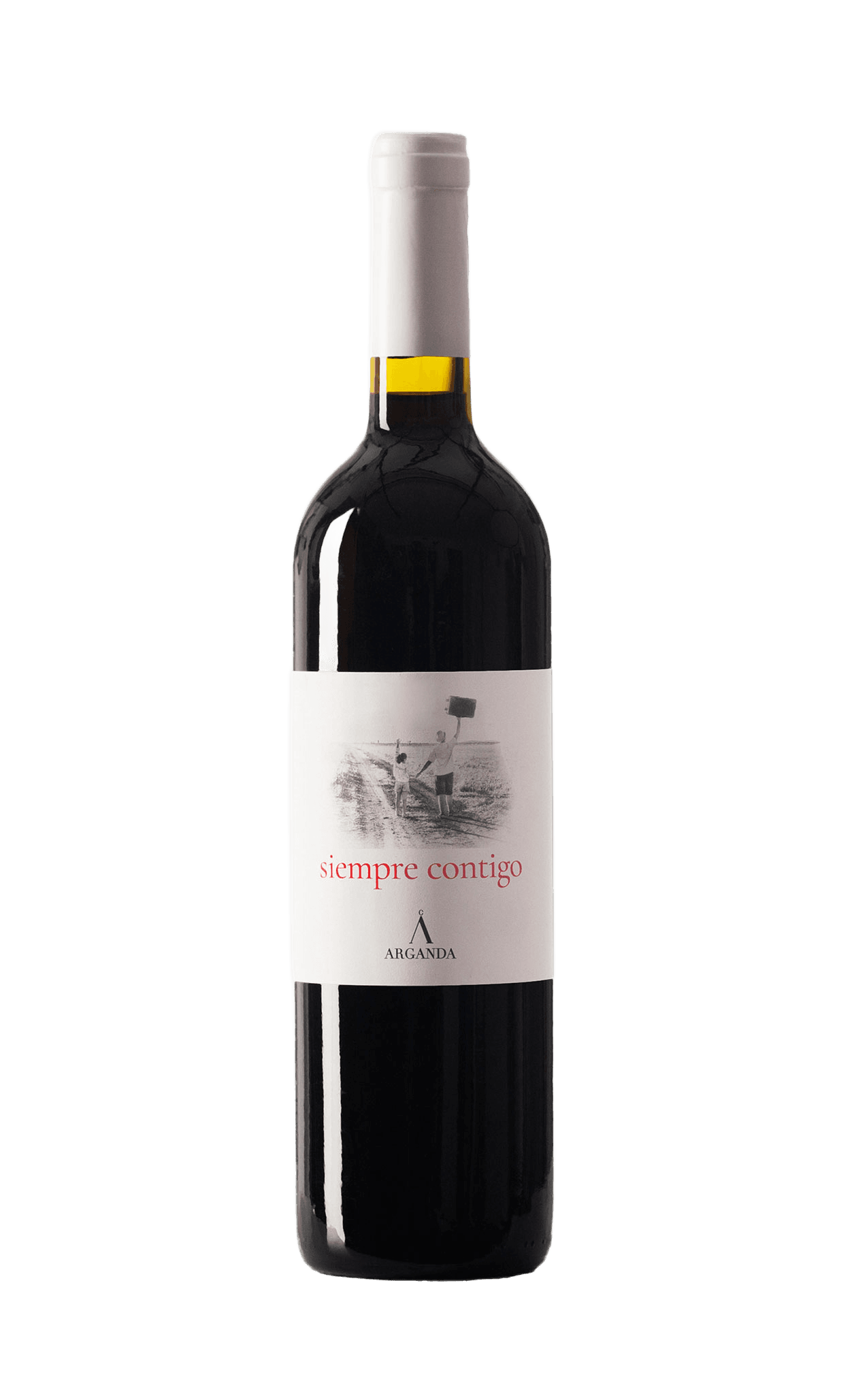
Siempre contigo
Tempranillo
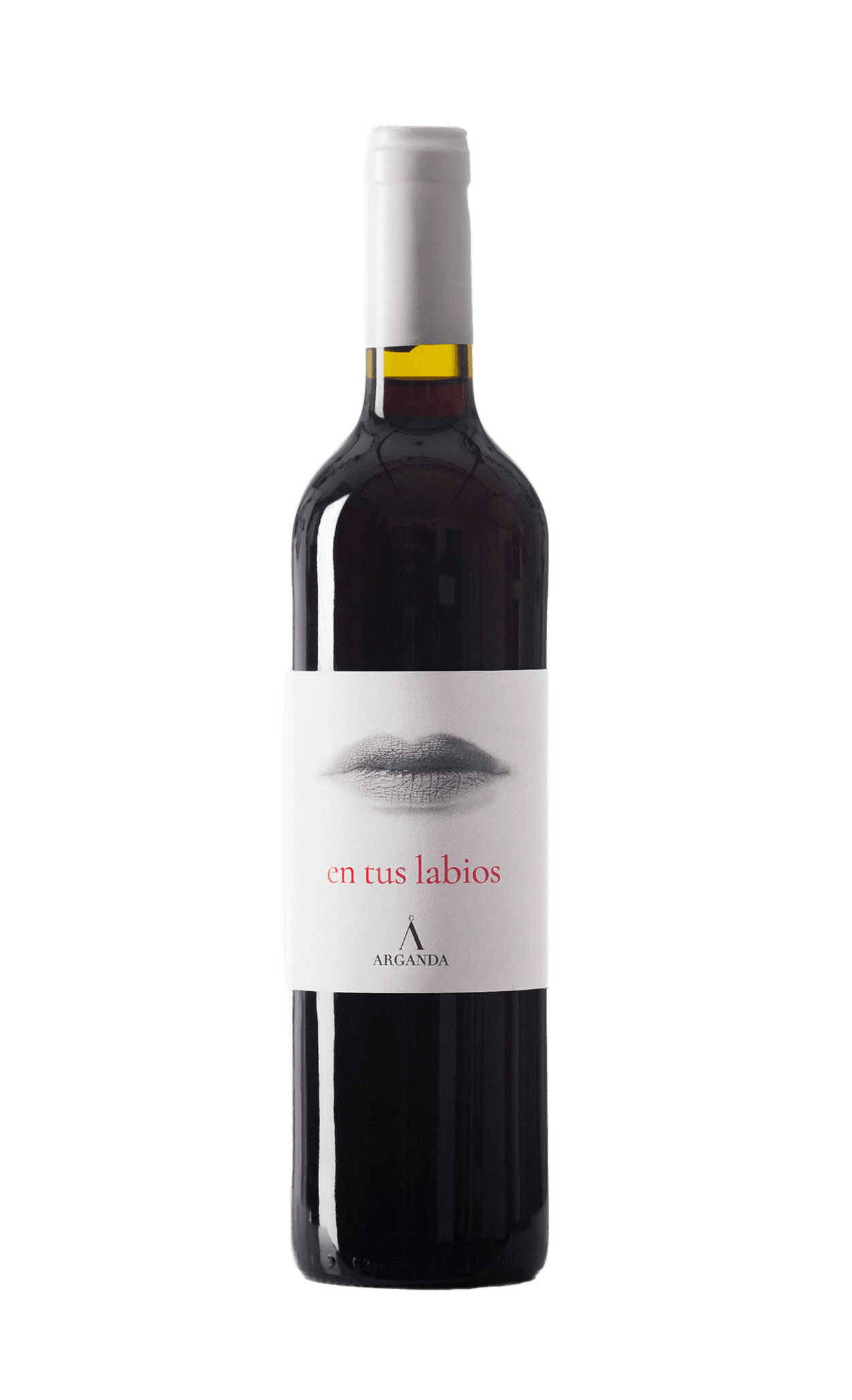
En tus labios
Tempranillo
Whites & Rosé
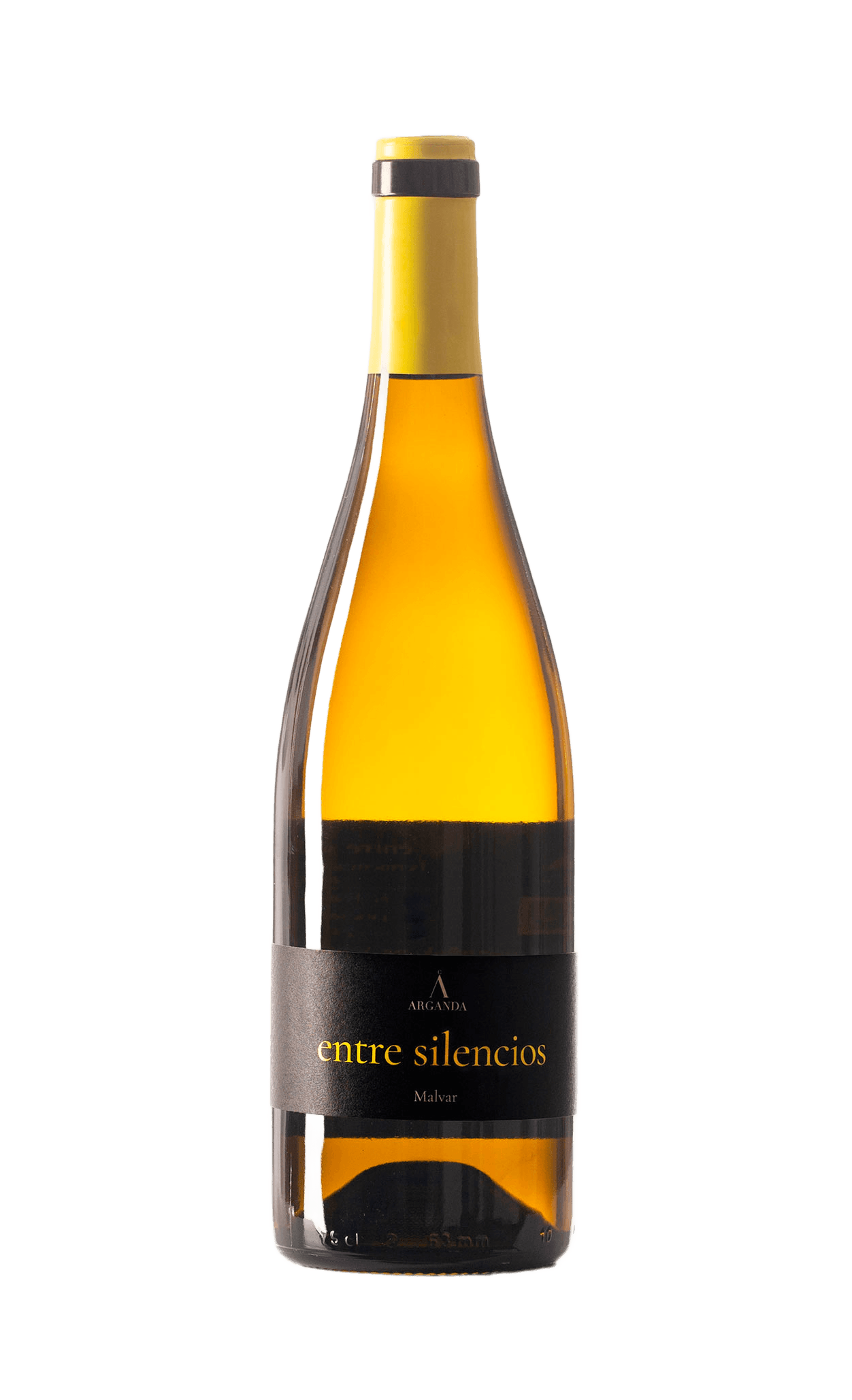
Entre silencios
100% Malvar, barrel-fermented
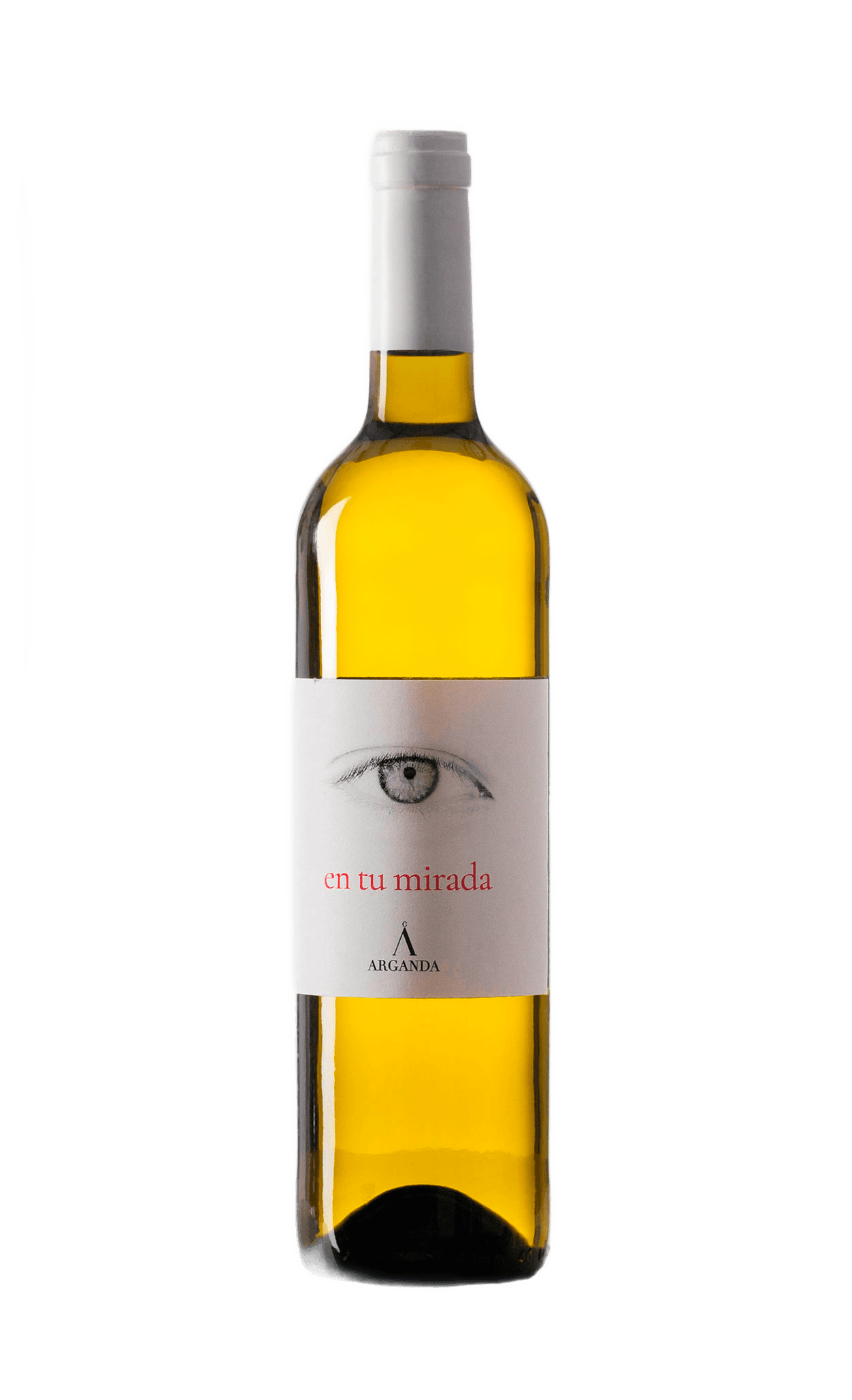
En tu mirada
Malvar
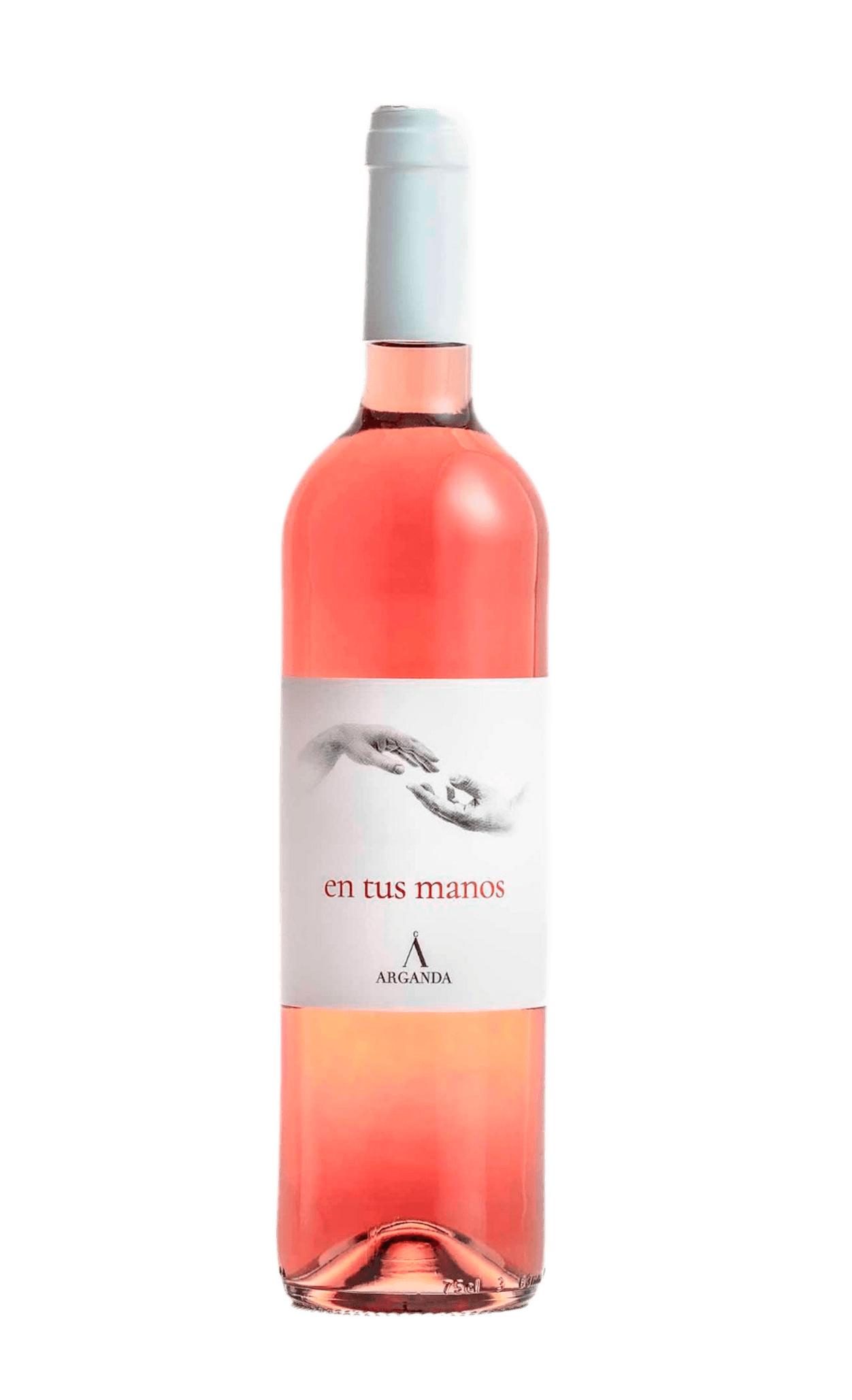
En tus manos
rosé from Tempranillo (traditional sangrado)
Visiting the Winery
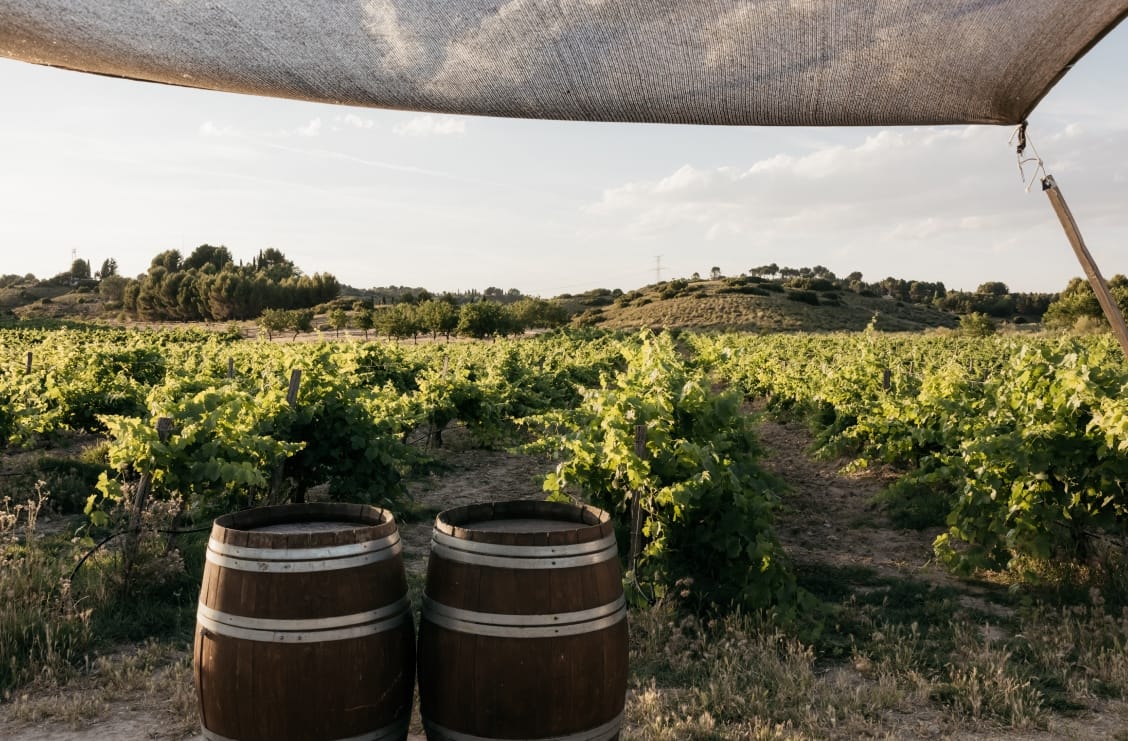
Vinícola de Arganda is one of the most “doable” serious visits near Madrid: it’s positioned as 25 km from Puerta del Sol and famously described as the only winery in Europe reachable by Metro, which makes it uniquely accessible for travelers without a car. Their enotourism format can include a countryside ride through vineyards and olive groves and a guided tasting that connects the wines back to the agricultural life of Arganda - more field-and-factory real than boutique theater.
How to curate a meaningful visit:
• Start outdoors (vineyards + context) to understand why Arganda has always supplied Madrid
• Taste Malvar beside a structured red to feel the zone’s contrast
• If you want a signature moment, anchor on Y volarás as their flagship Syrah expression
nearby places
Why It Matters
Vinícola de Arganda matters because it represents the backbone of Madrid wine culture: cooperative continuity, real agricultural scale, and a direct line between the capital and the countryside that fed it. It’s not trying to be a “destination winery” in the fashionable sense - and that’s exactly why it’s unforgettable. You don’t visit to watch wine marketing; you visit to see how Madrid’s wine has actually lived for generations.