

Place & Heritage
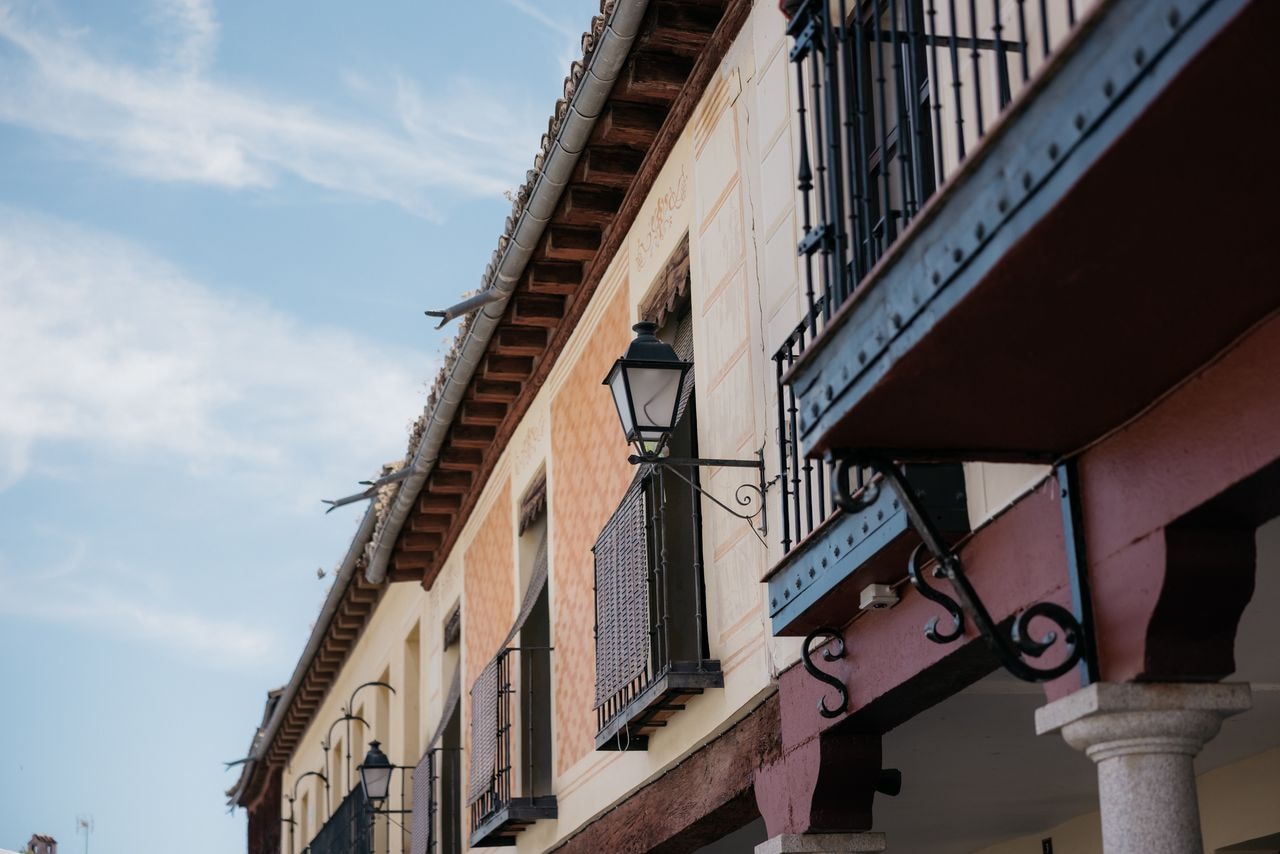
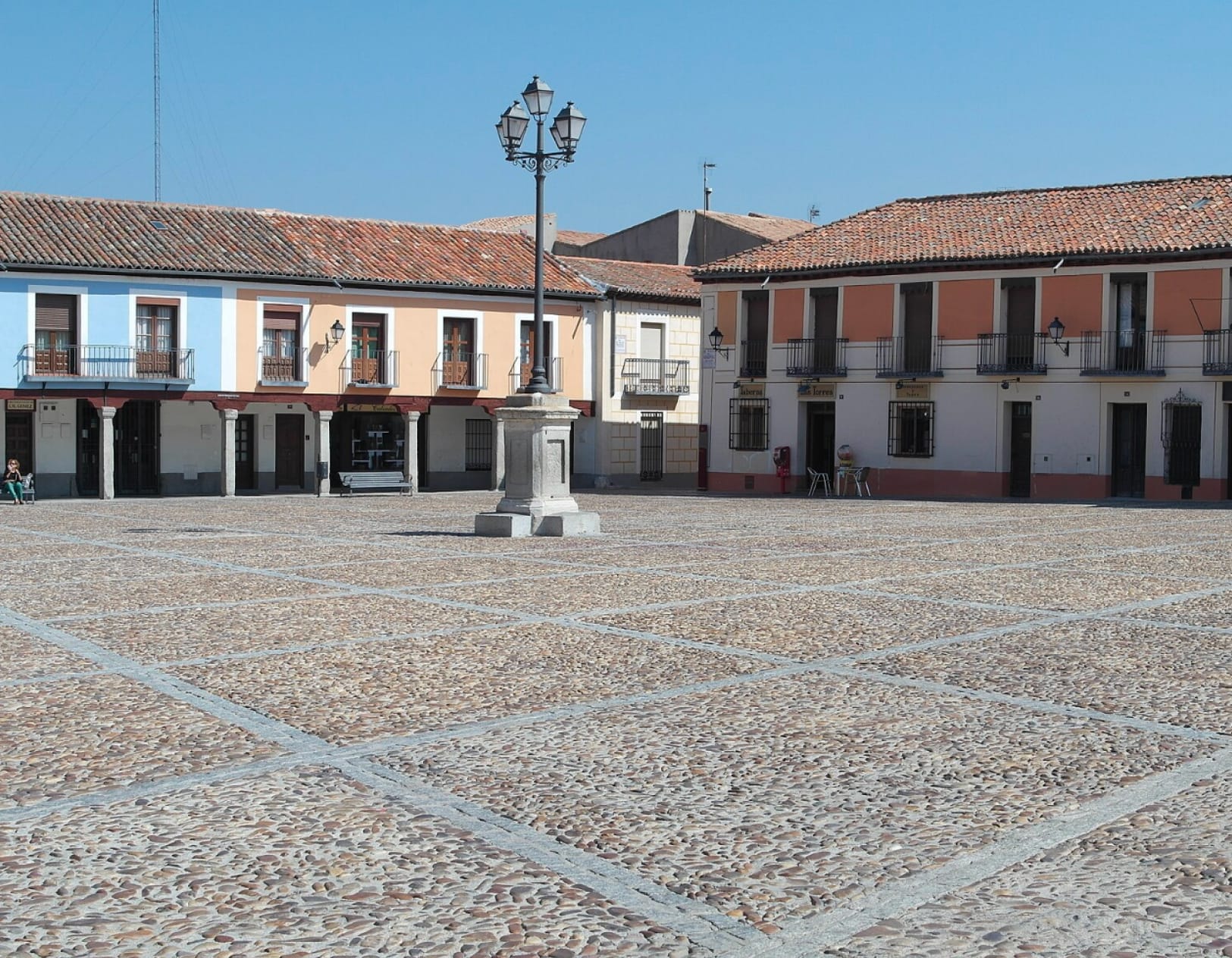
Bodegas Muñoz Martín is located in the historic center of Navalcarnero, one of the traditional wine-producing towns of the Community of Madrid. Founded in 1930, the winery remains integrated into the fabric of the old town (Real Villa).
Its original underground cave and roof structure with old wooden beams are still in use today, coexisting with modern winemaking equipment. This physical continuity reflects the winery’s long-standing presence as a working bodega rather than a relocated or purpose-built facility.
Family & Continuity
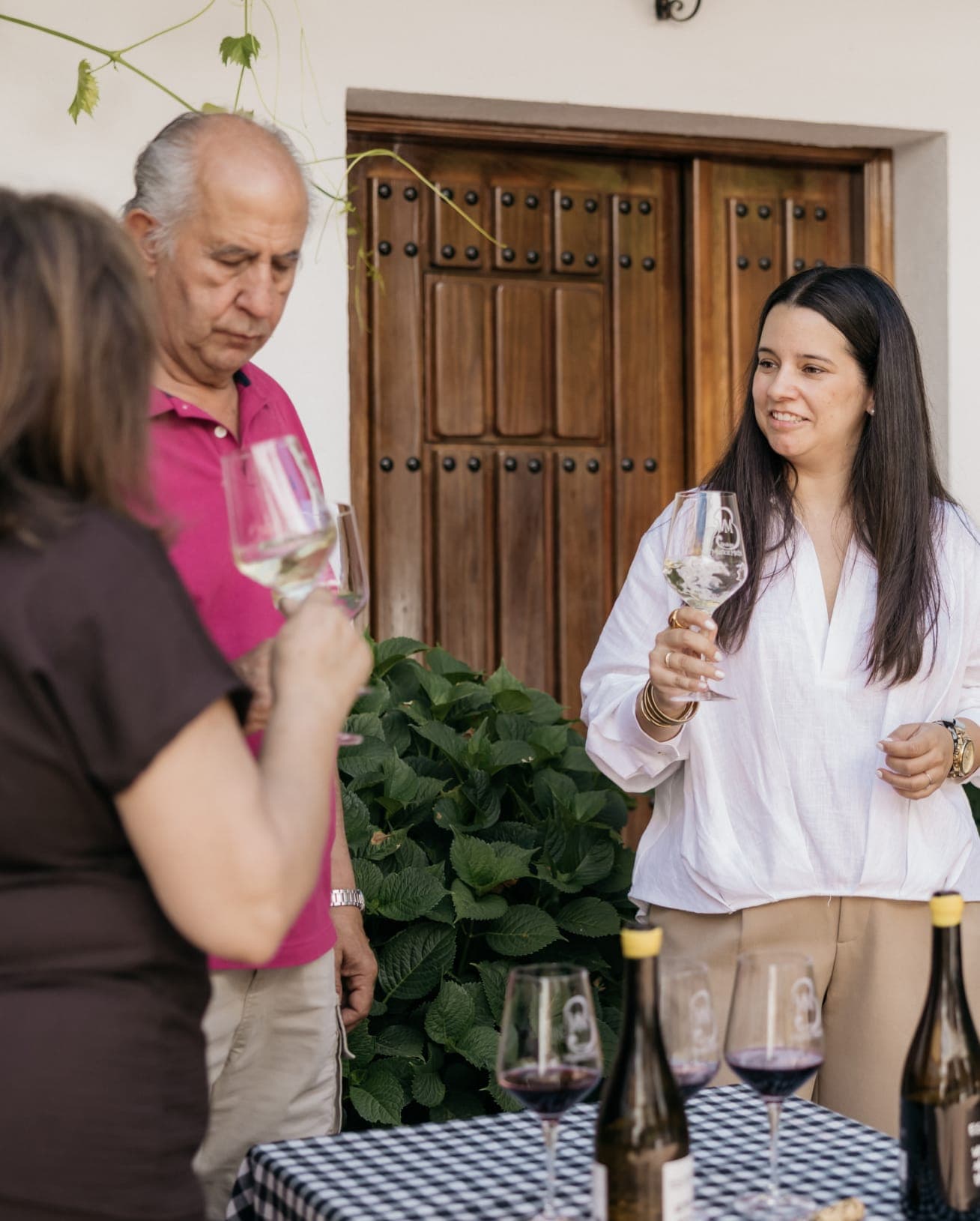
Bodegas Muñoz Martín is a multi-generation family winery, currently operated by the fifth generation of the Muñoz Martín family. Across generations, the project has maintained an artisanal orientation grounded in respect for inherited knowledge, while gradually incorporating technical improvements that support wine quality.
Tradition and modernization coexist in the same space, creating a dialogue between past and present rather than a break with either.
Visit Bodegas Muñoz Martín with Madrid Wine Country
Minimum Guests
Vineyards, Land & Grapes
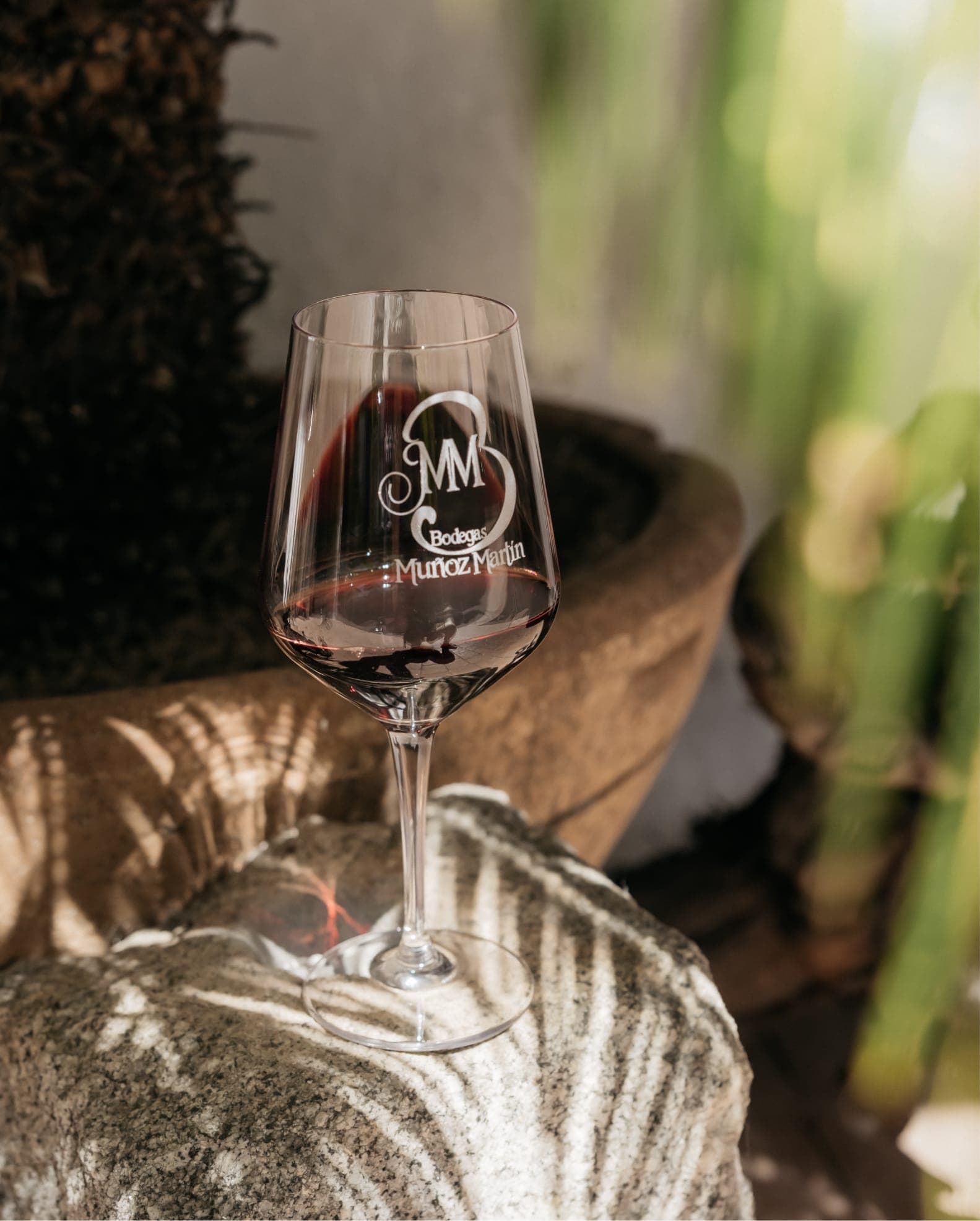
Vines are cultivated in both traditional bush form and more modern layouts, depending on parcel and variety.
Key grape varieties cultivated on the estate include:
Tempranillo (Tinto Fino)
Garnacha
Negral (autochthonous to Madrid)
Malvar
Small experimental plantings of Syrah and Merlot
Winemaking Philosophy
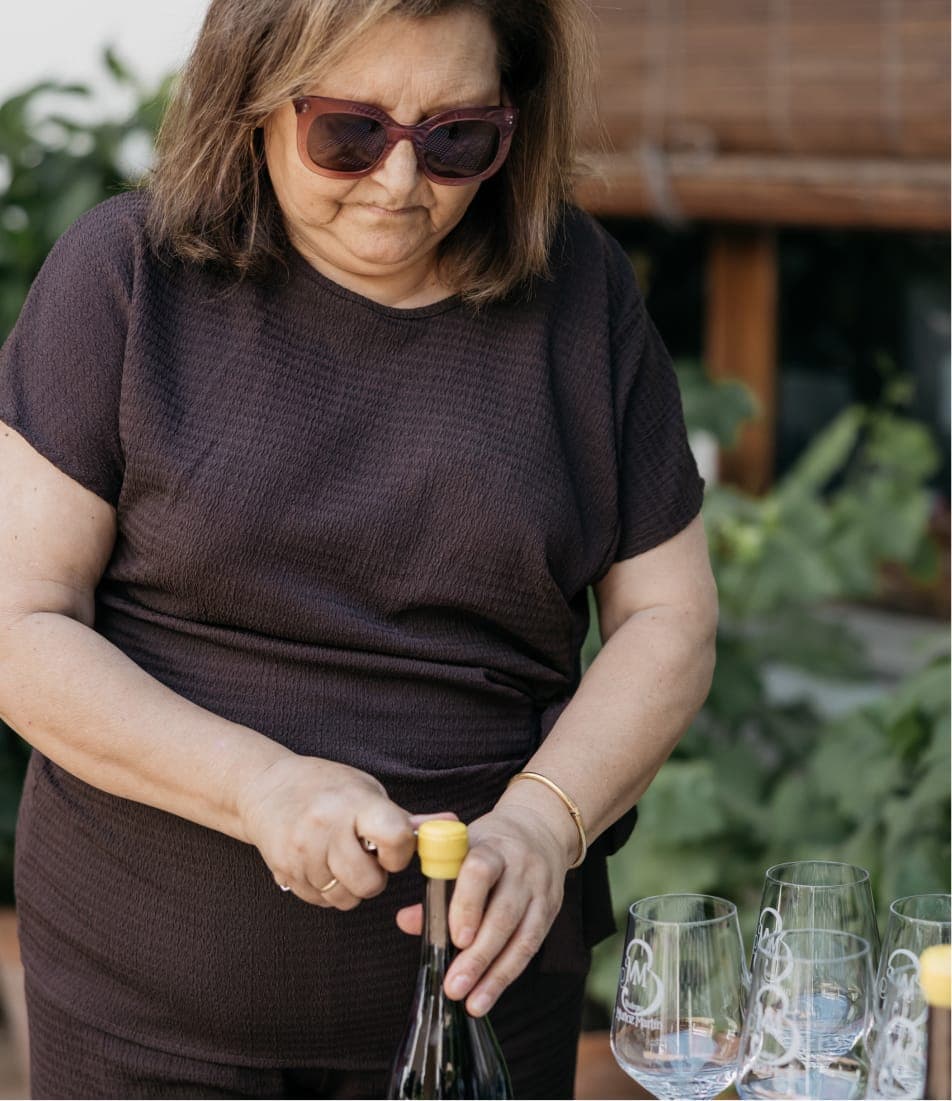
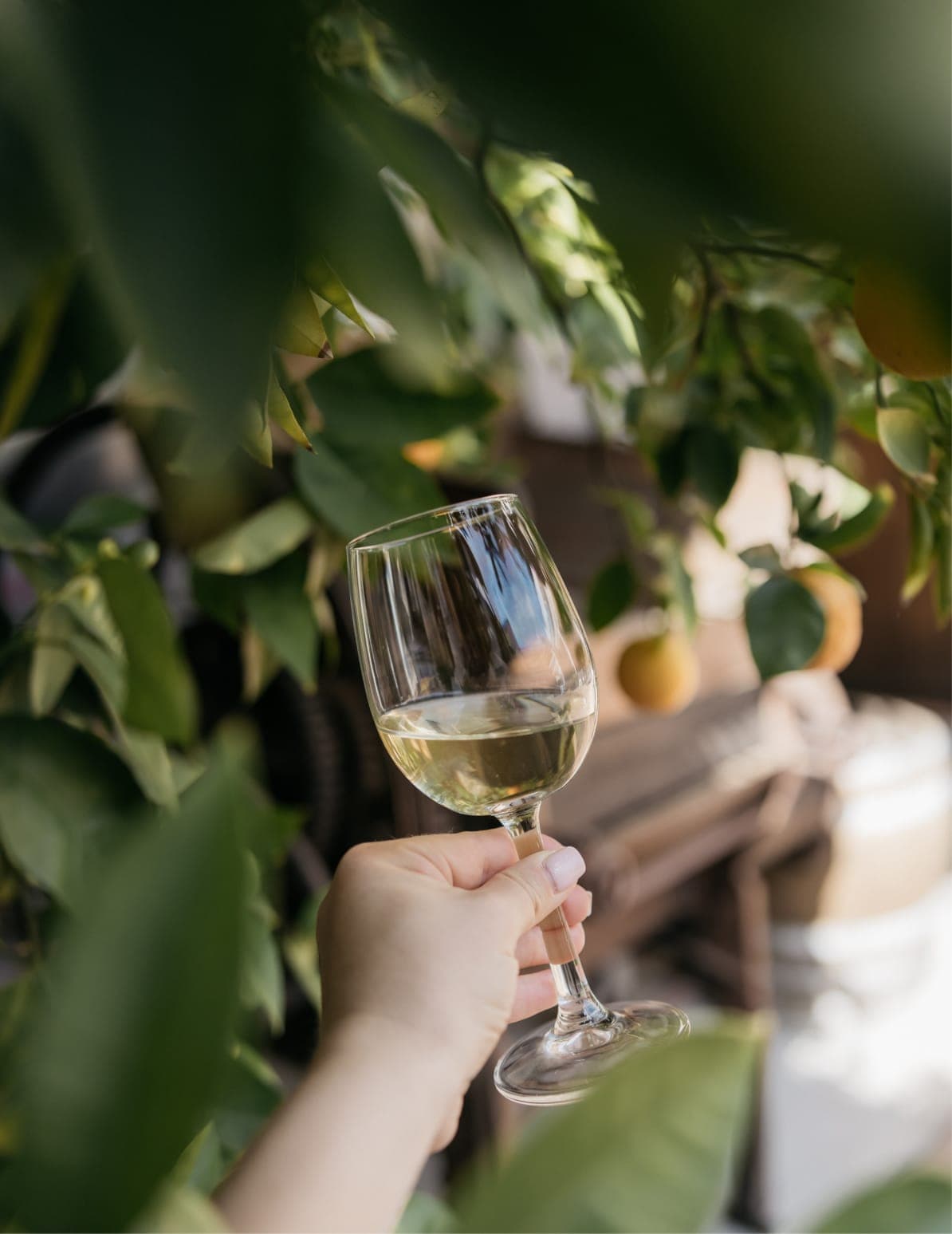

The winemaking approach at Bodegas Muñoz Martín combines manual vineyard work, careful grape selection, and controlled fermentation. Historic cellar spaces provide natural protection for the wines, while updated systems allow precise temperature management and clean vinification.
The objective is to produce balanced wines that reflect the identity of Navalcarnero, remaining faithful to local styles while ensuring consistency and drinkability.
Wines
Bodegas Muñoz Martín produces red, rosé, and white wines under the D.O. Vinos de Madrid, with a portfolio that reflects both village tradition and varietal diversity. Wines publicly listed within the winery’s range include:
Wines:
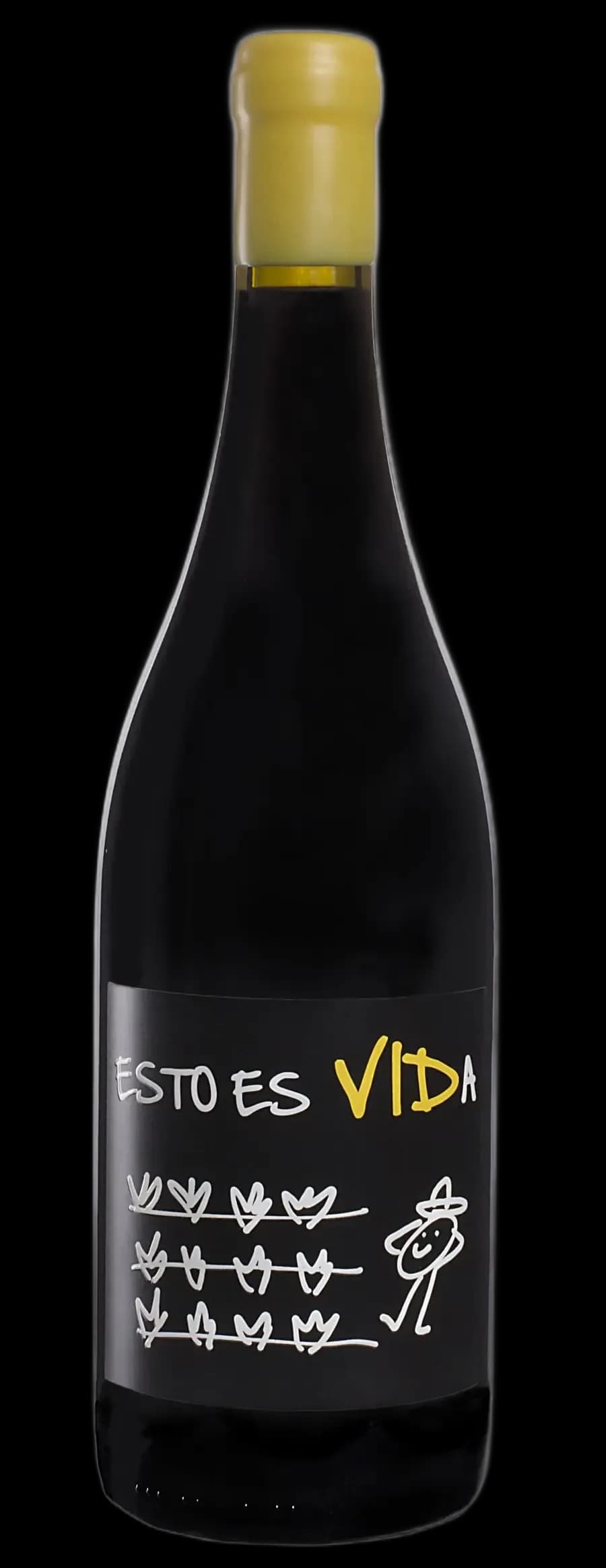
Esto es VIDa Tinto
Made in a completely traditional way, with manual punching.
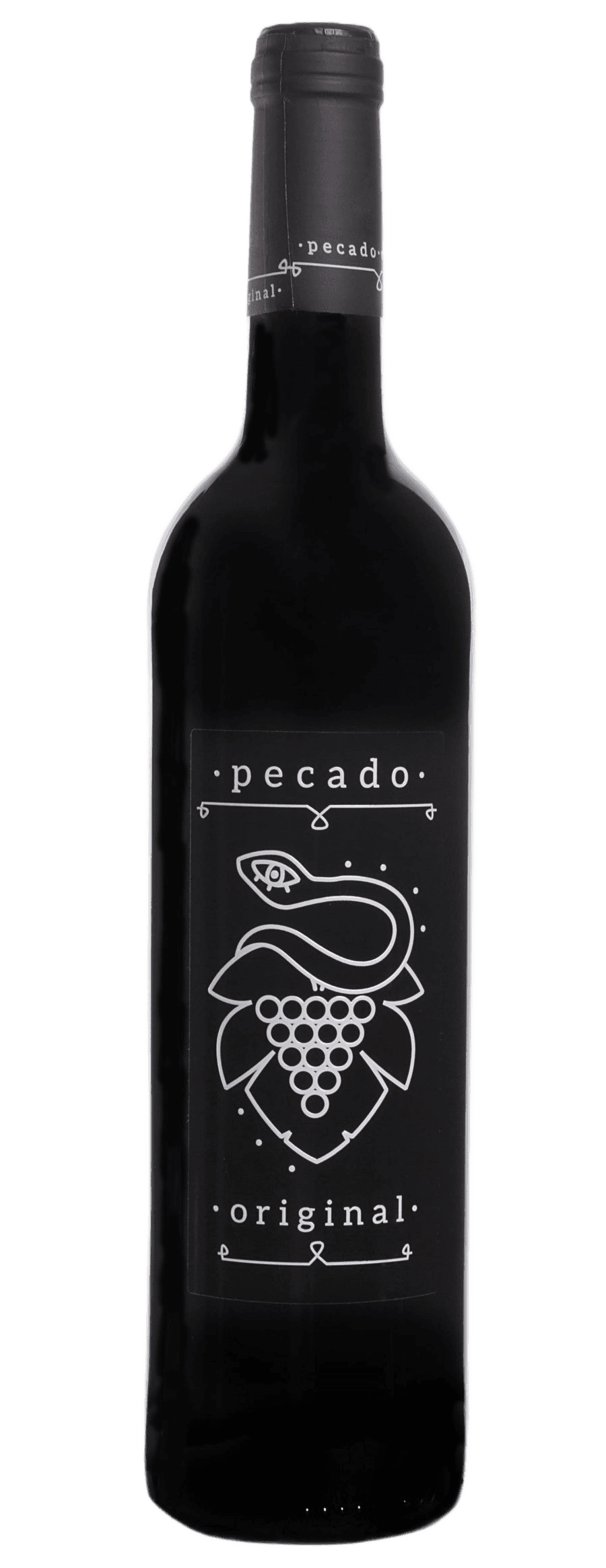
Pecado Original
On the nose it is highly expressive with dominance of red fruits and slight hints of forest fruits, especially blackberries and blueberries.
.png&w=2560&q=75)
Sedro Negral
Spicy and balsamic notes typical of its aging in French oak appear in the background.
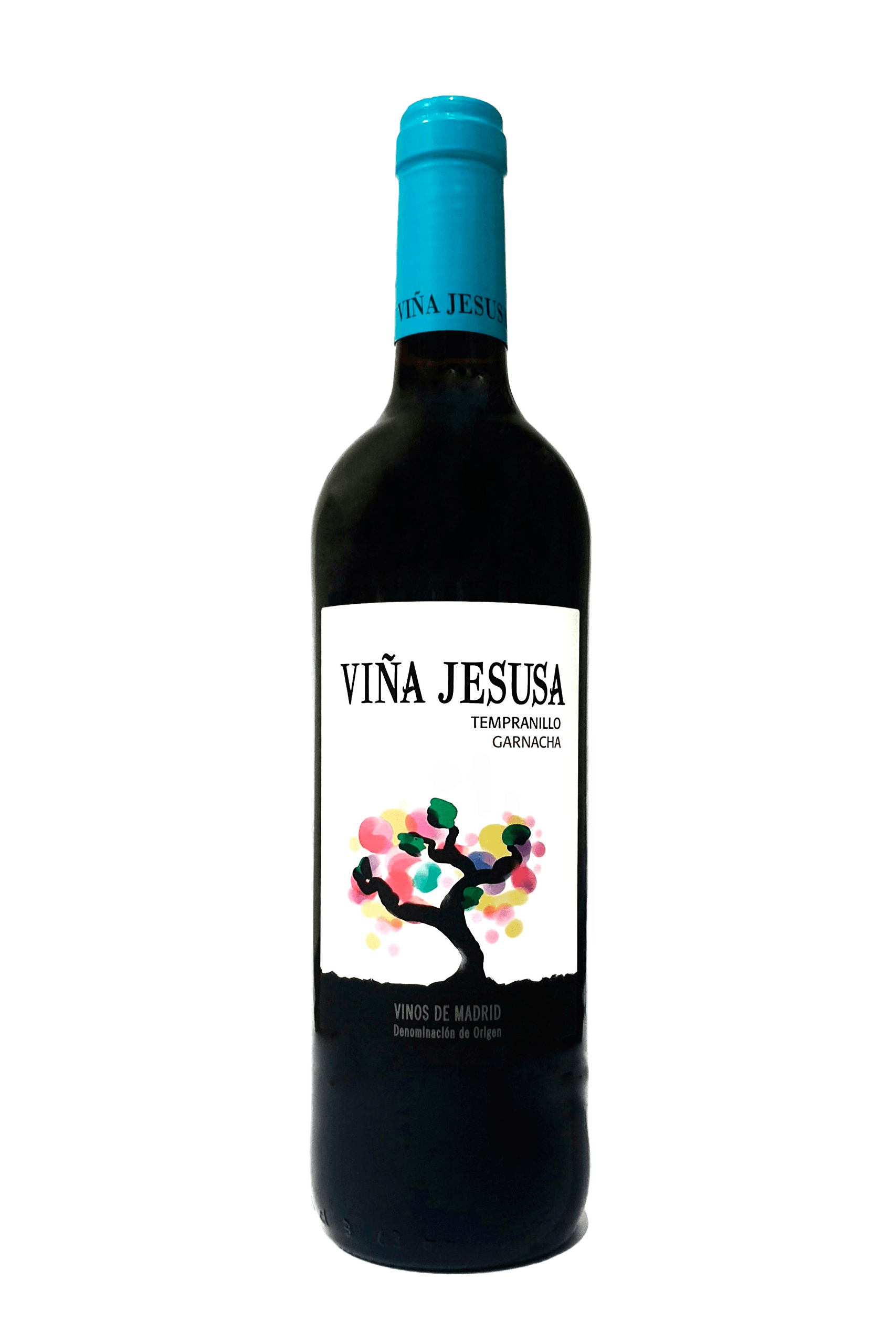
Viña Jesusa Tinto
Crisp ripe red fruit. Blackberries, raspberries, currants. mineral background.
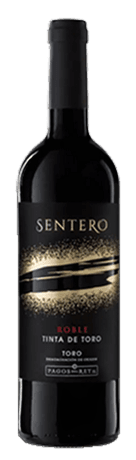
Sedro Tinto Roble
A dry red wine with a deep ruby color and garnet reflections.
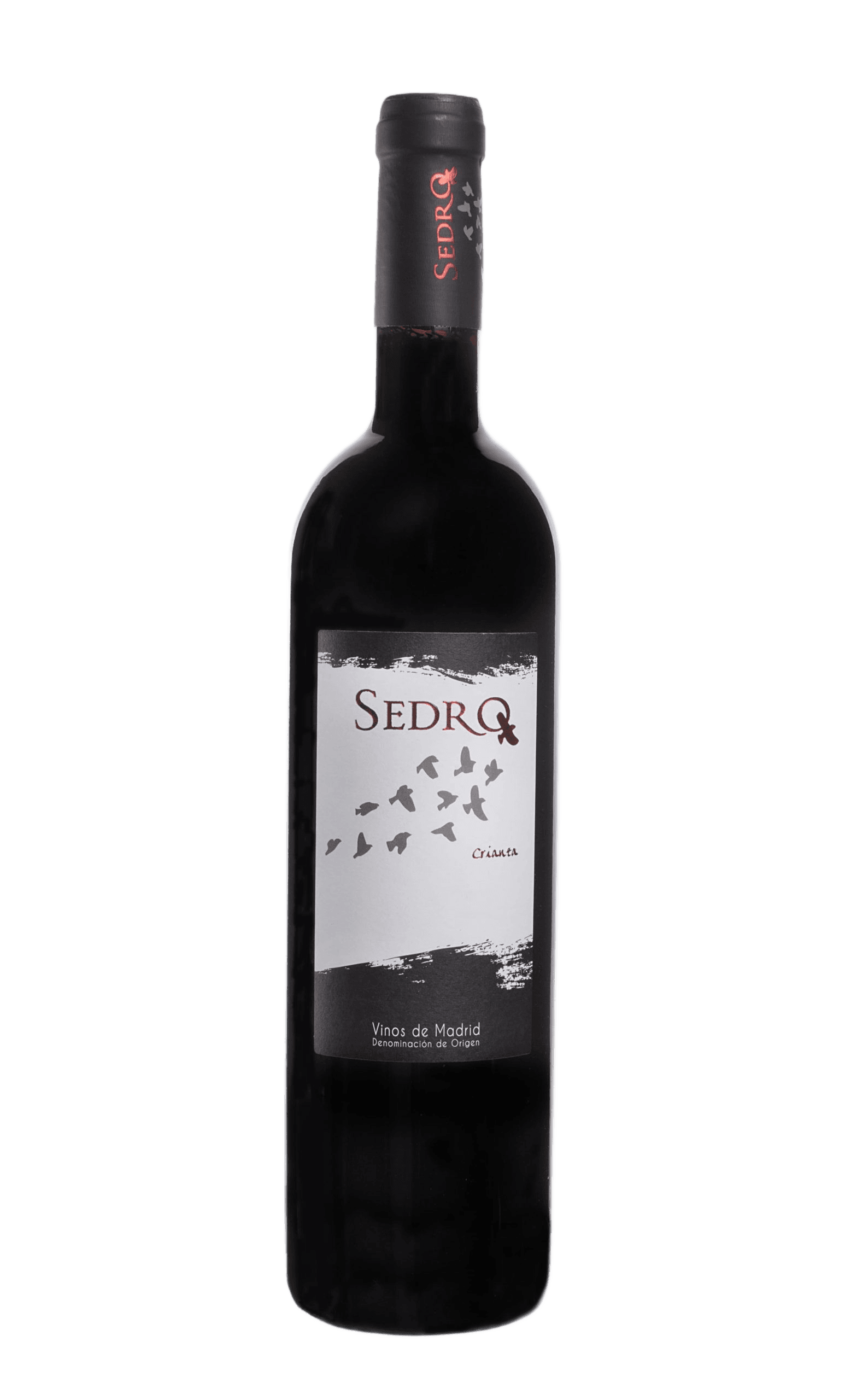
Sedro Crianza
Fresh and spicy notes. Cedar, dried fruit. Fleshy and high quality tannin.
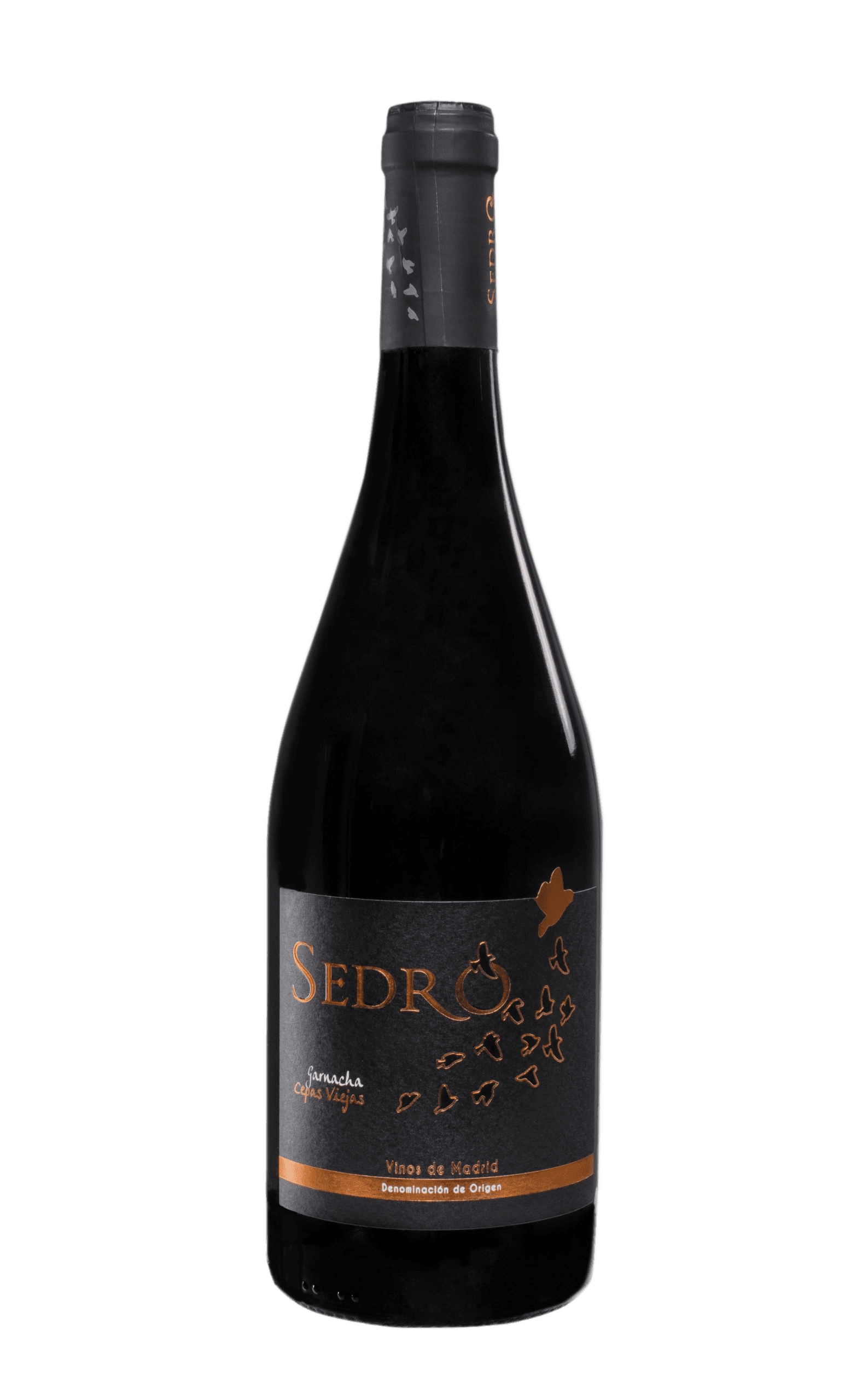
Sedro Garnacha Cepas Viejas
High intensity. Explosion of red fruits (cherries, strawberries) and sweets with very spicy notes.

Viña Jesusa Rosado
High fruit expression, strawberry, cherry and white stone fruit. Fresh and slightly herbaceous finish.
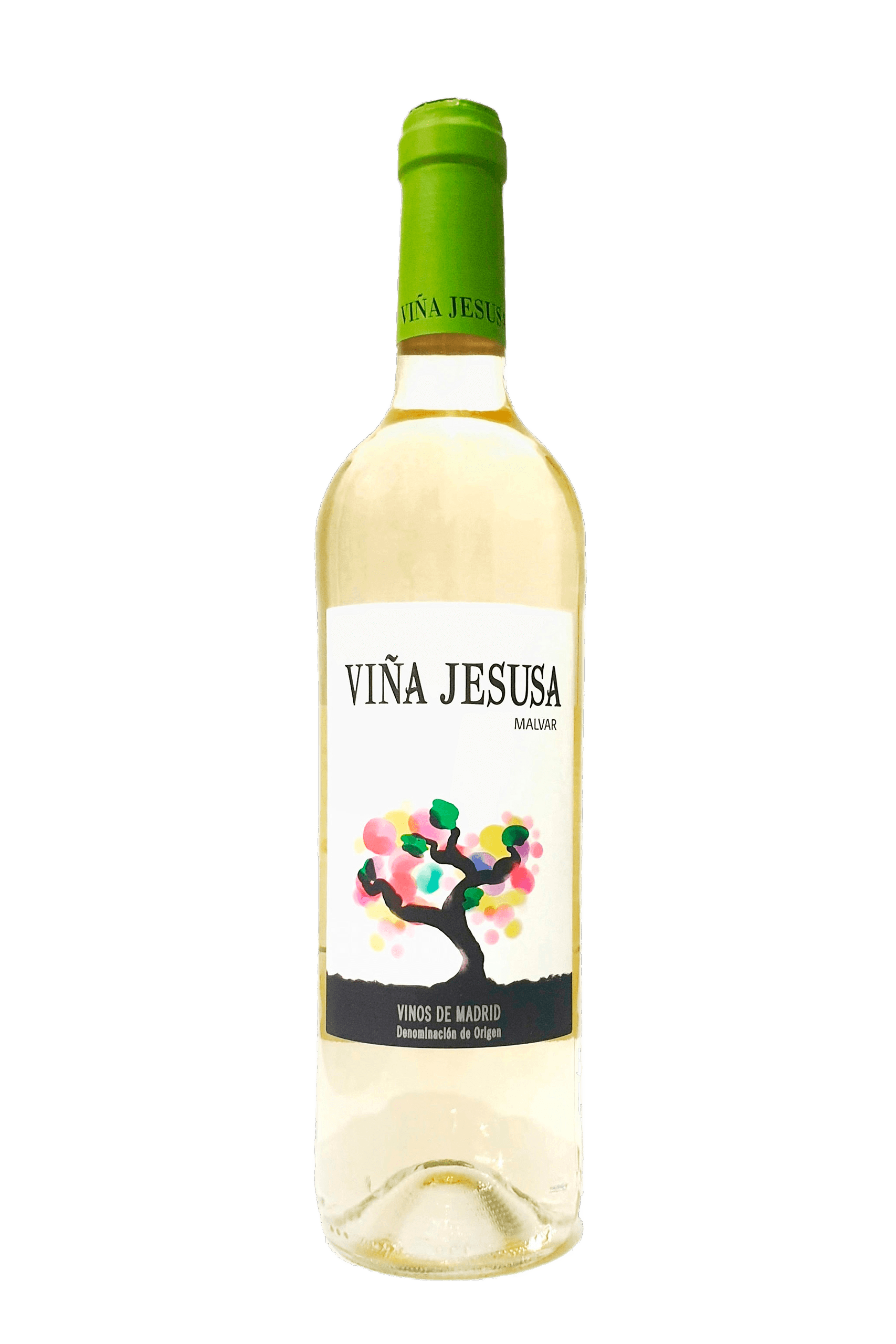
Viña Jesusa Blanco
Green apple, pear, banana. White stone fruit. Floral tones on a background of fresh grass.
Visiting the Winery
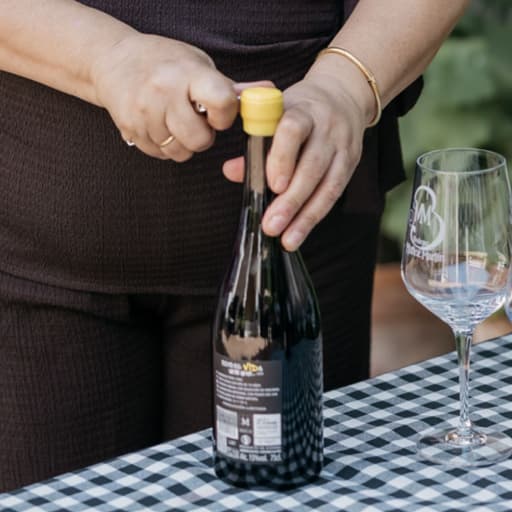
Visits to Bodegas Muñoz Martín center on the contrast between historic cellar spaces and an active modern winery operating within the town. Experiences typically include a tour of the cave and production areas, followed by a guided tasting that highlights the diversity of styles across the range.
Visits can be paired with local products or combined with exploration of Navalcarnero’s historic center.
Nearby places
Why It Matters
Bodegas Muñoz Martín represents the living continuity of wine in Navalcarnero. In a region where many wineries have moved to industrial estates, it remains embedded in the village itself, preserving an urban bodega model that connects vineyards, cellar, and daily life. Its wines reflect this closeness to place - rooted, traditional, and shaped by generations of family involvement rather than by trends.