

Experience the Wines That Never Left
Madrid Wine Country did not disappear. It remained, quietly.
Experience the Wines That Never Left
Madrid Wine Country did not disappear. It remained, quietly.
For centuries, vineyards surrounded Madrid and spread into nearby hills and plateaus. Wine here was shaped by proximity-homes, taverns, monasteries, and the royal court-more than export trends. It was a local way of life that endured even as its visibility faded.
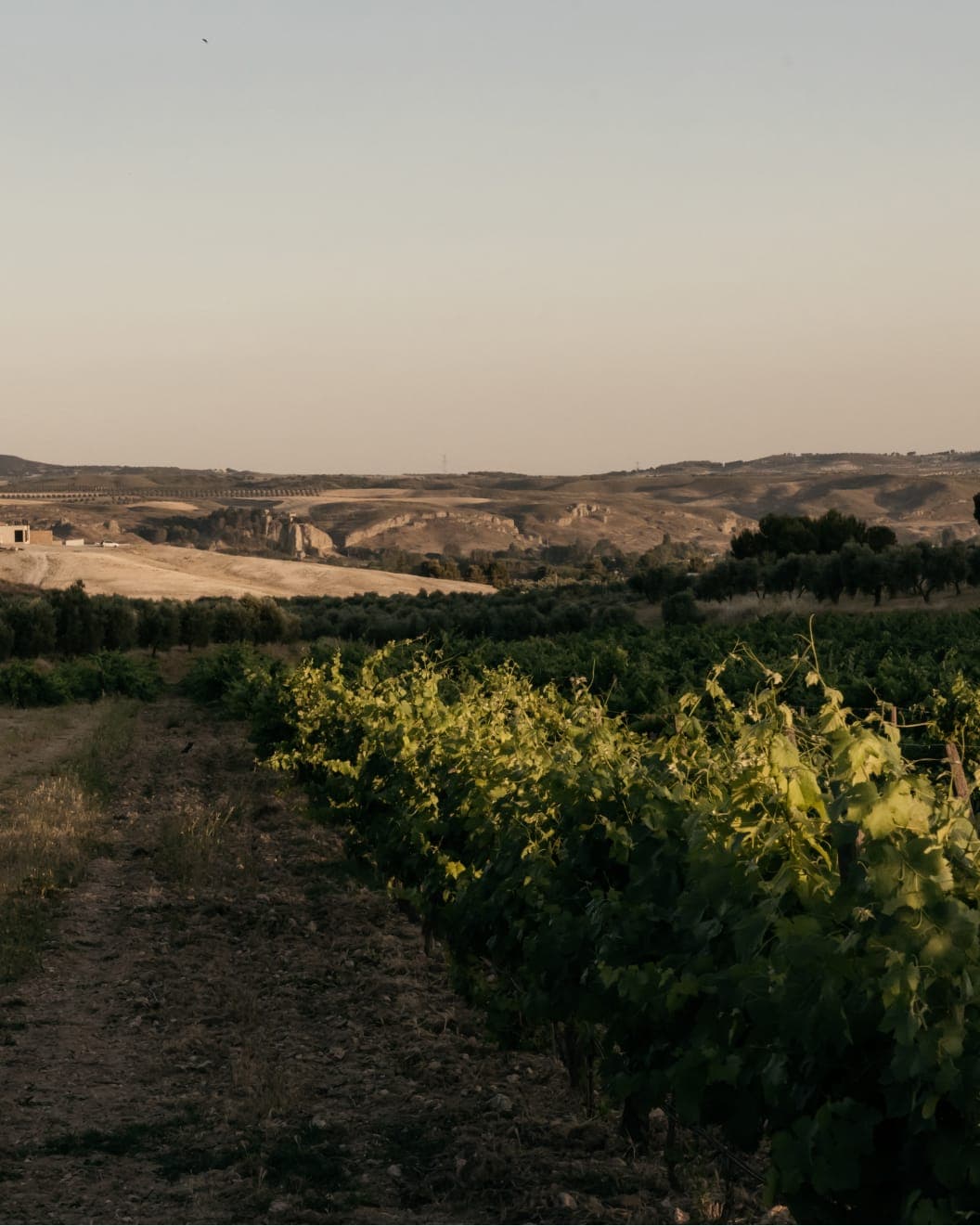
Today, many vineyards still sit high, often between 600 and 900 meters, defined by dry air, sharp day–night shifts, and intense light. Bright summers are tempered by cool nights; winters slow the vine. Soils change quickly-limestone, clay, granite, sand-so each village and slope leaves a distinct imprint. This diversity isn’t curated. It’s inherited.
A Land with Long Memory
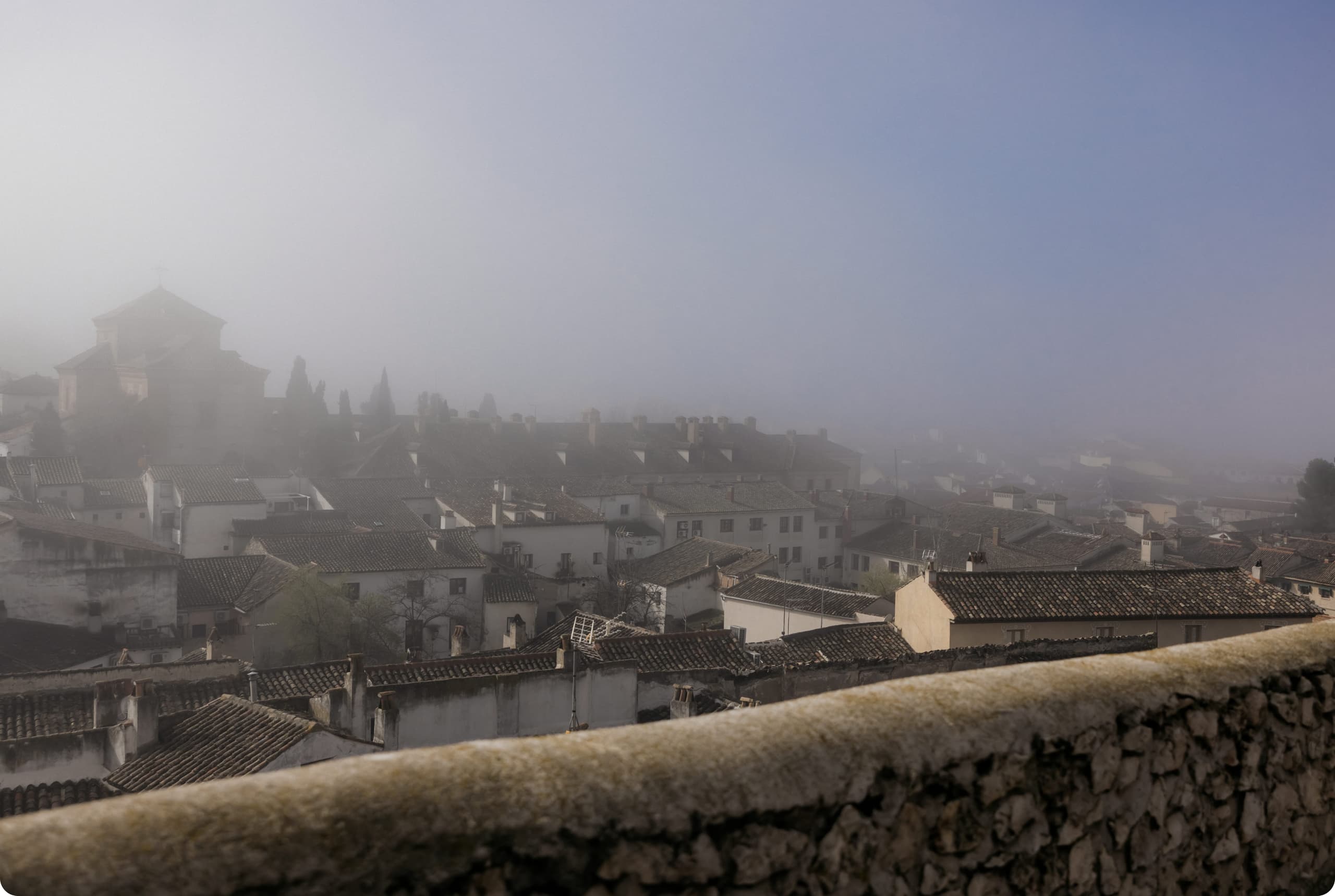
This landscape has been inhabited and cultivated for over 5,000 years - from Neolithic settlements and Roman roads to medieval villages and modern history. The Romans formalised viticulture, weaving wine into daily life, trade, and infrastructure, with later civilizations inheriting both the vines and the routes that sustained them. Even through war, depopulation, and economic change, vineyards endured.
During the Spanish Civil War, the region again stood at a crossroads, traversed by soldiers, writers, and travellers.
Discover Madrid Wine Country
Private journeys through ancient vineyards, hidden cellars, family wineries, and villages just beyond Madrid. Each experience is designed around the people, wine, and landscape that make this region unlike anywhere else.
PRIVATE WINE EXPERIENCES
Beneath Stone & Vine
Descend beneath historic wine villages into centuries-old underground cellars, meet local winemakers, taste Madrid wines, and linger over a traditional Castilian lunch. From €149 / person · Full Day
Discover More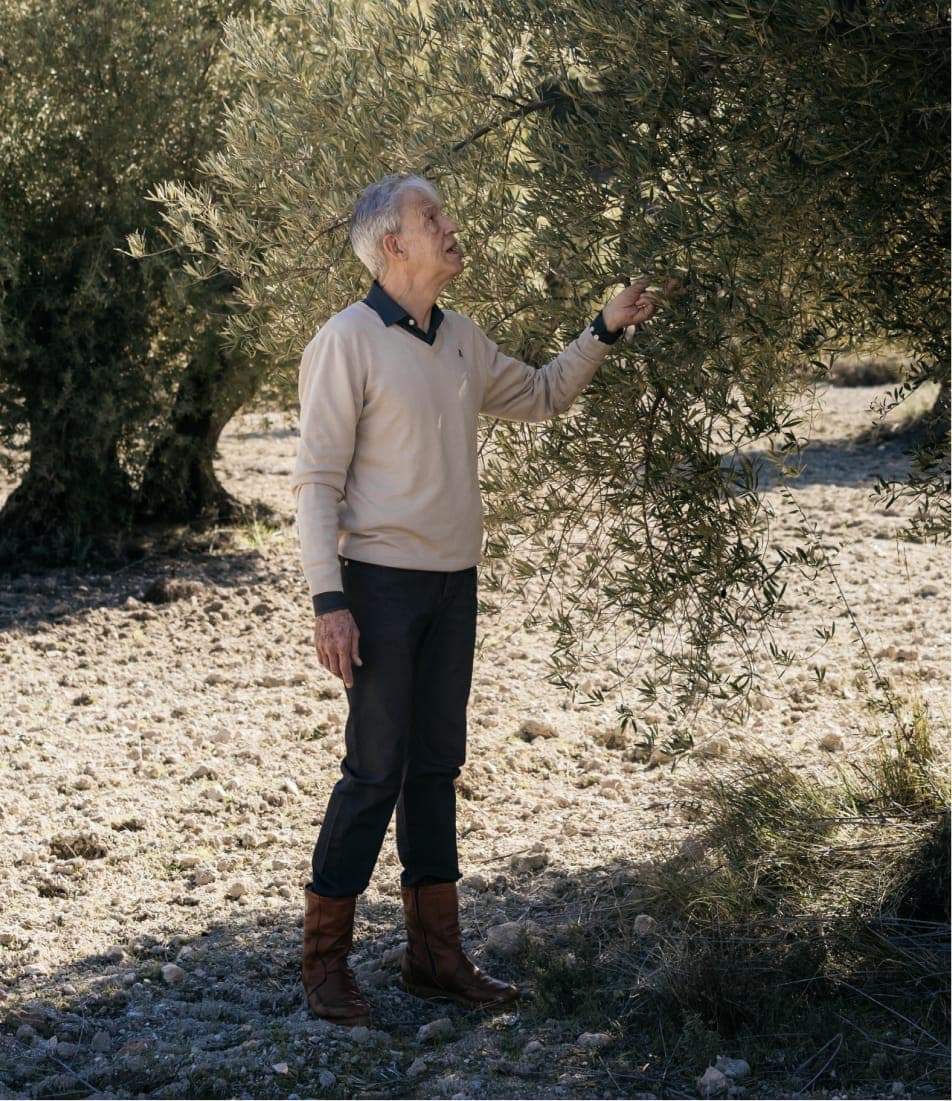
Olive Oil Heritage Experience
Step beyond the vineyards and into the olive groves of Madrid. Visit a traditional almazara, discover how local families have cultivated and pressed olives for generations, and taste expressive extra virgin olive oils shaped by the region’s dry climate, soils, and seasons. From €149 / person · Full Day
Discover More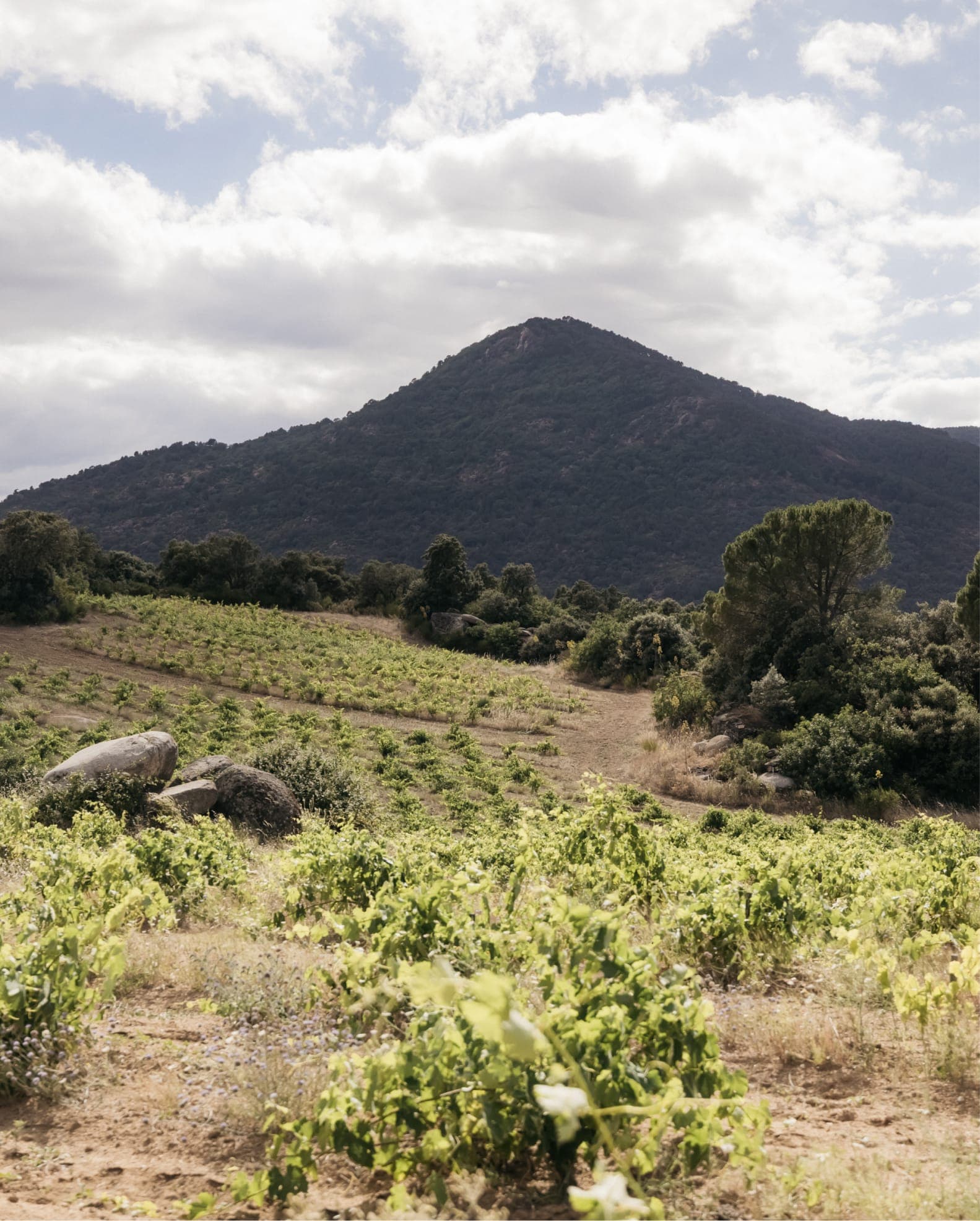
Granite & Water Tour
Travel west into Madrid’s mountain wine country, where old Garnacha vines grow among granite soils, pine forests, and dramatic high-altitude landscapes. From €189 / person · Full Day
Discover More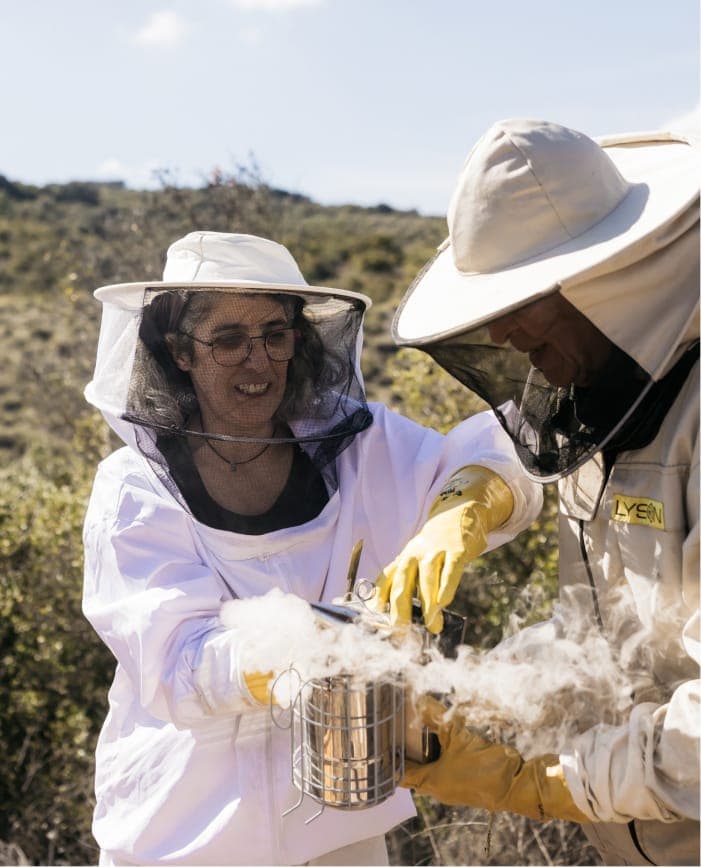
Hemingway’s Honey Trail
Follow the quiet country roads once traveled by Ernest Hemingway into the peaceful Ambite Valley. Meet a local beekeeper, step inside a working apiary, and discover the remarkable world of honey through a hands-on private experience. From €129 / person · Full Day
Discover MoreMadrid wines today reflect both memory and modern practice.
Grapes, Methods, and Renewal
Madrid wines today reflect both memory and modern practice.
Grapes, Methods, and Renewal
Garnacha excels at altitude, delivering aromatic lift, fine structure, and freshness rather than power. Tempranillo shows similar restraint, shaped by cool nights, moderate alcohol, and careful extraction.
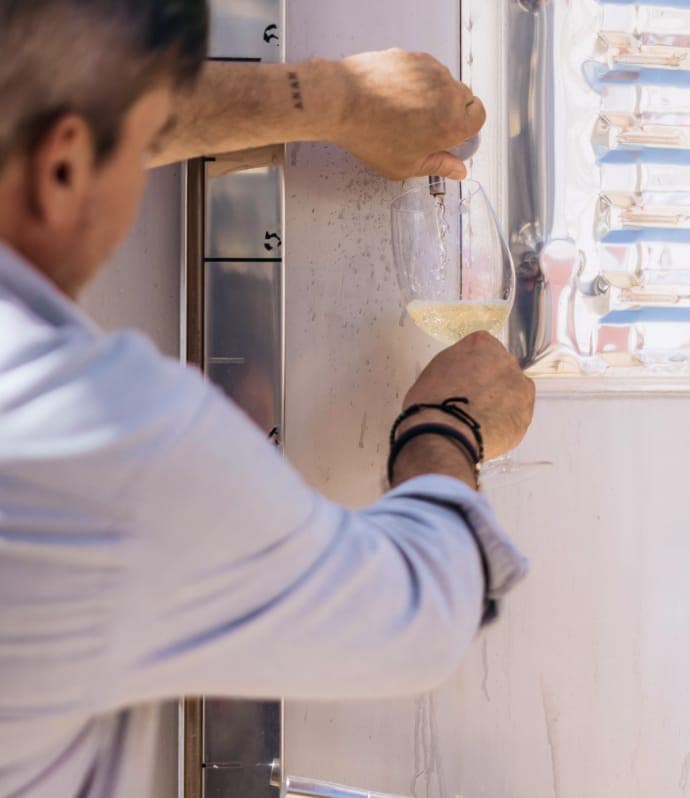
Albillo Real has re-emerged through better vineyard work and precise cellar control, producing mineral, age-worthy whites built through lees contact and long fermentations, not weight. This approach extends to some skin-contact whites, resulting in texture without excess.
Claretes have returned as well-co-fermented red and white grapes that sit between red and rosado: lighter, structured, and food-driven. Rosado itself remains restrained and functional.
Whites shaped by texture and mineral clarity
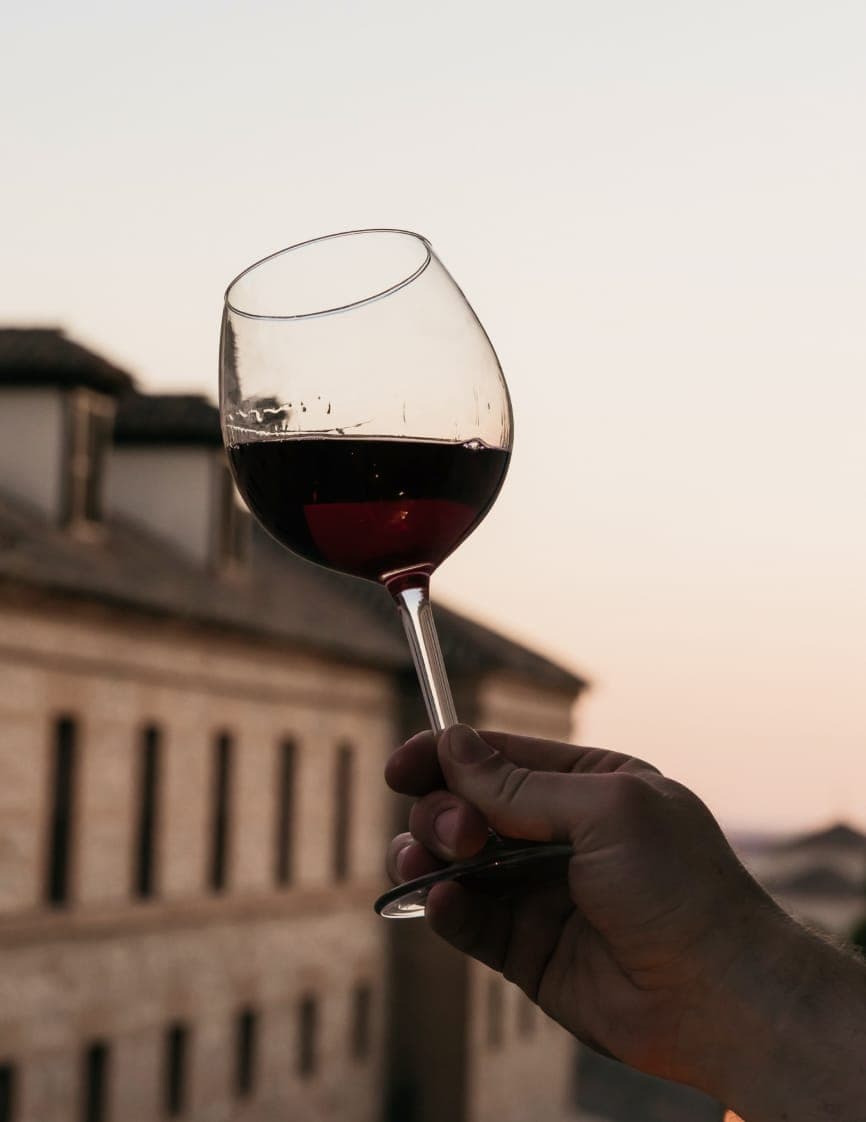
Reds defined by balance and line
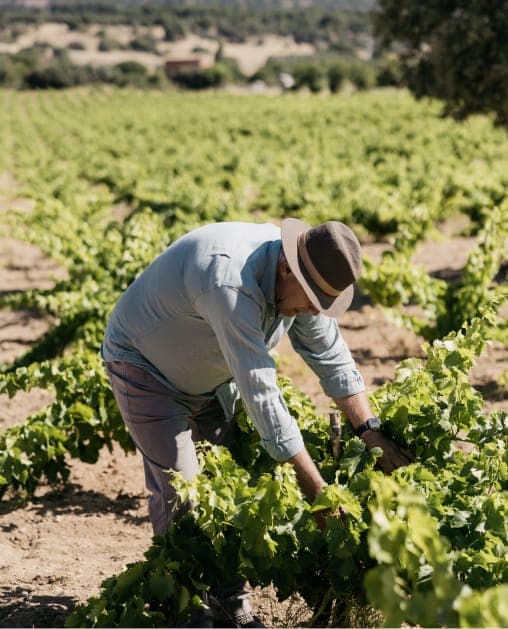
skin-contact wines rooted in tradition
Wines made to accompany food and conversation
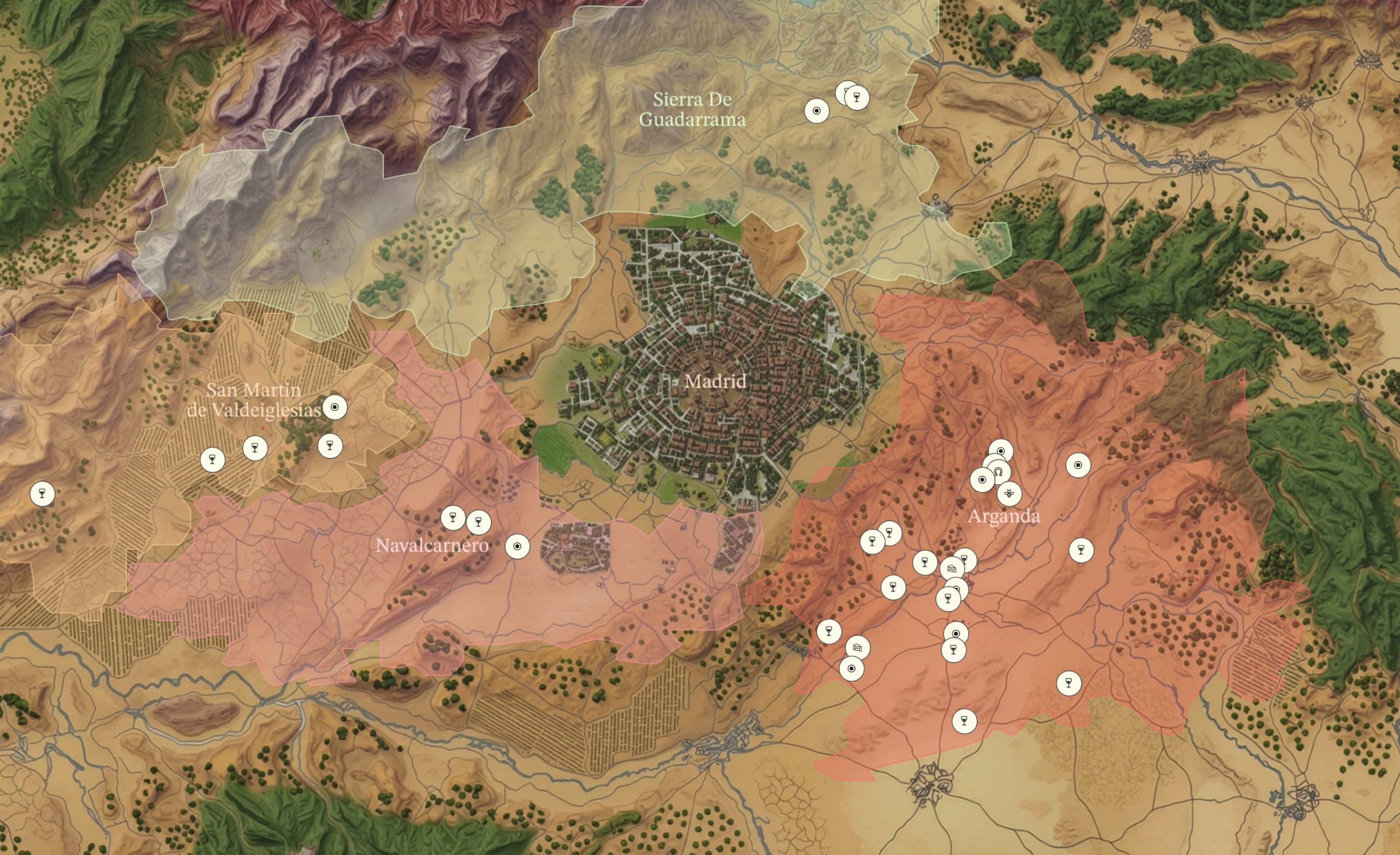
Madrid Wine Country is not one place.
Explore the territory. Let the map guide you.
It unfolds across hills, valleys, and plateaus, through villages where vineyards sit beside homes and cellars run beneath streets. What links them is not scale or spectacle, but a shared relationship with land, history, and time.
Families, cellars, and a quiet evolution of craft.
The wineries
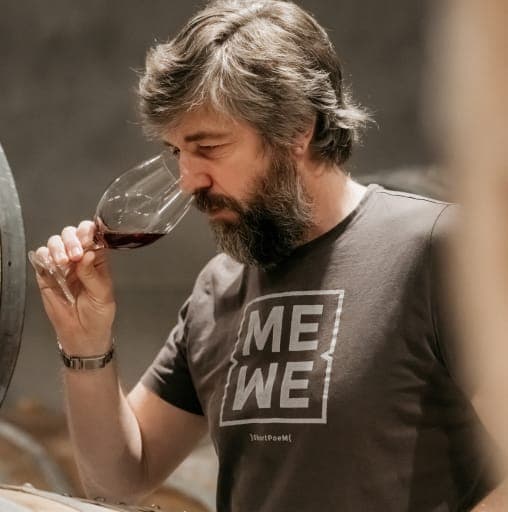
In Madrid Wine Country, most wineries are built on continuity rather than categories. Family cellars that have adapted over generations. Historic underground bodegas now paired with modern precision. Contemporary facilities rooted in old vineyards.
The same hands that prune the vines often make the wine.
Decisions are practical, patient, and deeply personal.
Visits are unhurried, human, and by appointment.
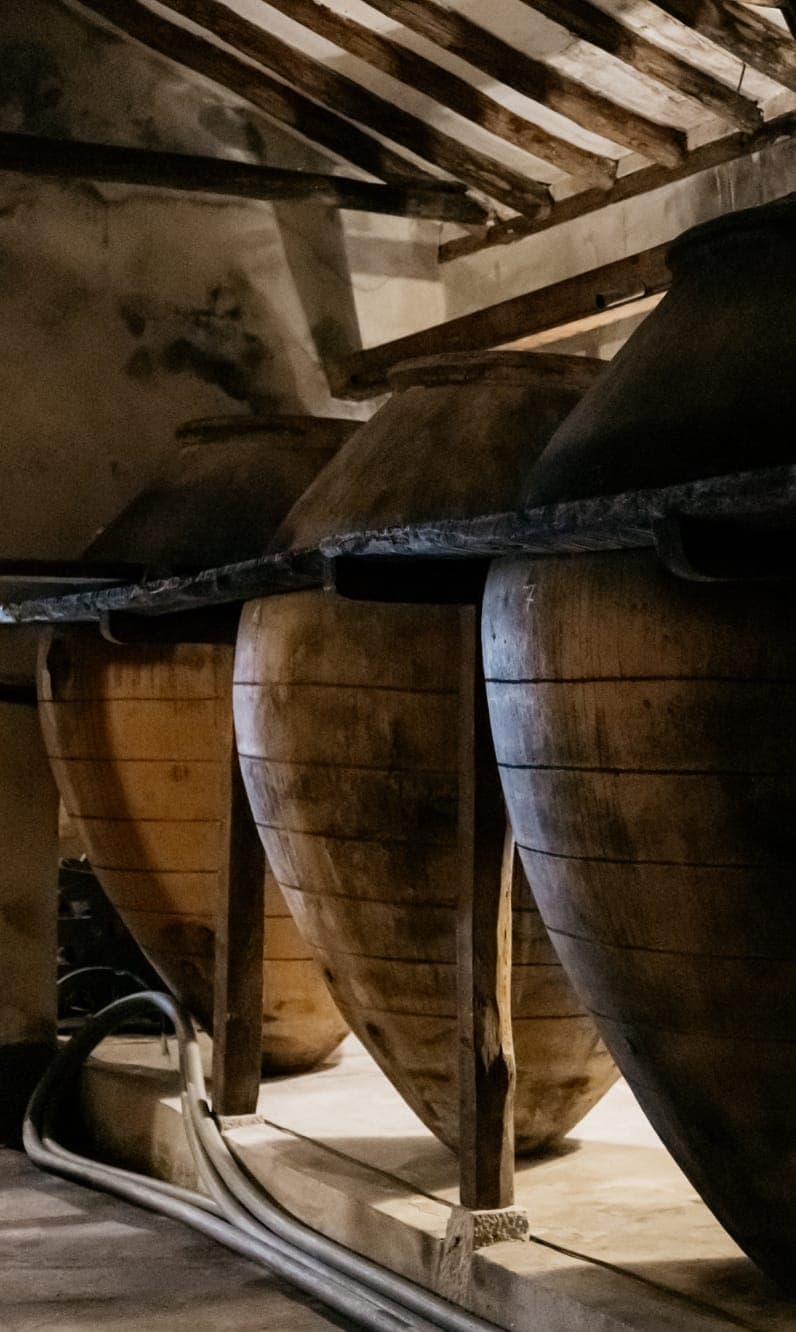
A land cultivated, not manufactured.
Olive Oils · Almazaras
Olive oil is the daily backbone of the local table.
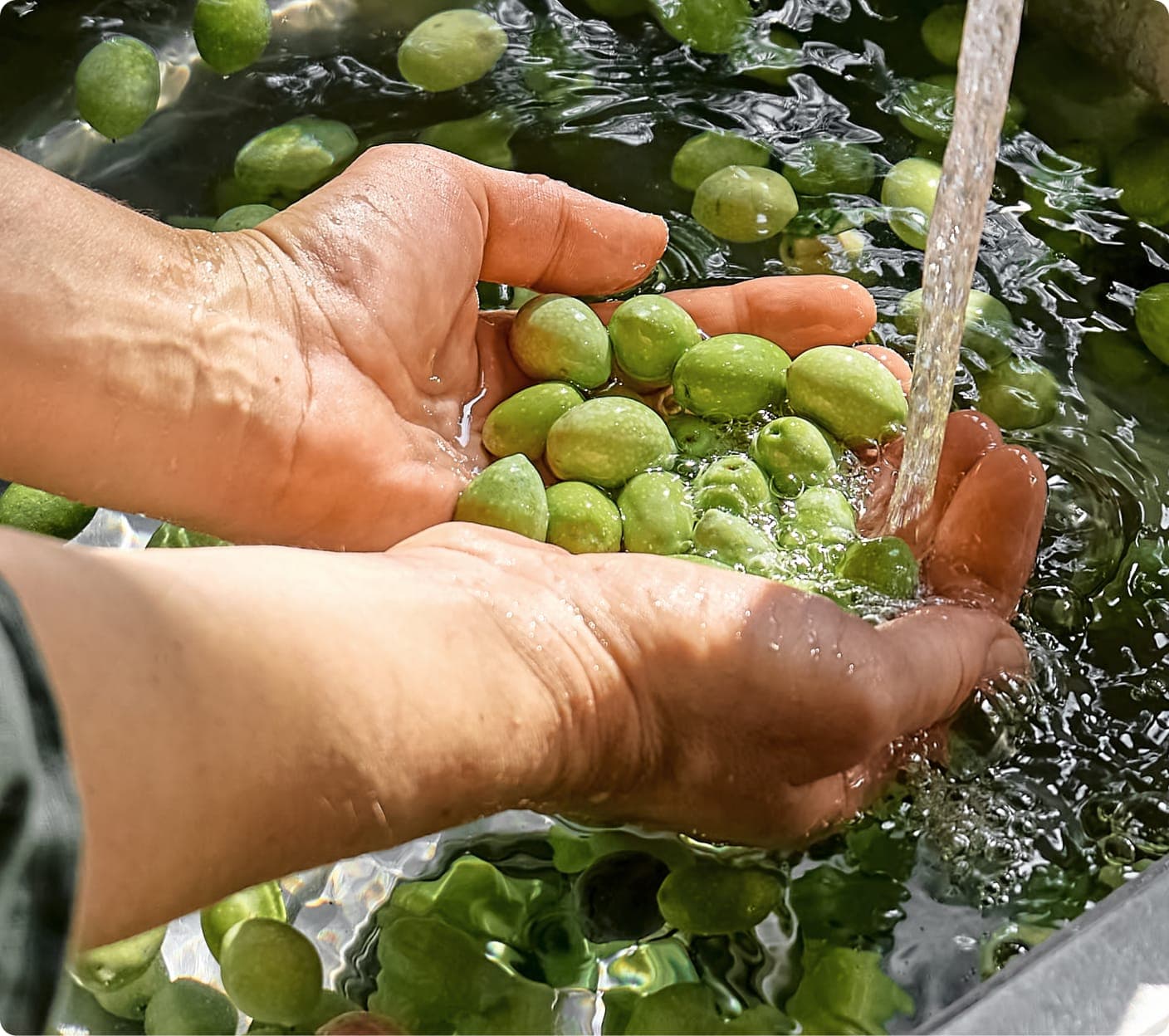
Small almazaras press oils from groves that often sit alongside vineyards, shaped by the same sun, soils, and dry air.
Many producers work organically or close to it, harvesting early and pressing locally. The resulting oils are green, herbal, and expressive - valued for balance and freshness rather than international styling.
These are oils made to cook with, finish dishes, and live with - not to perform.
Cheeses
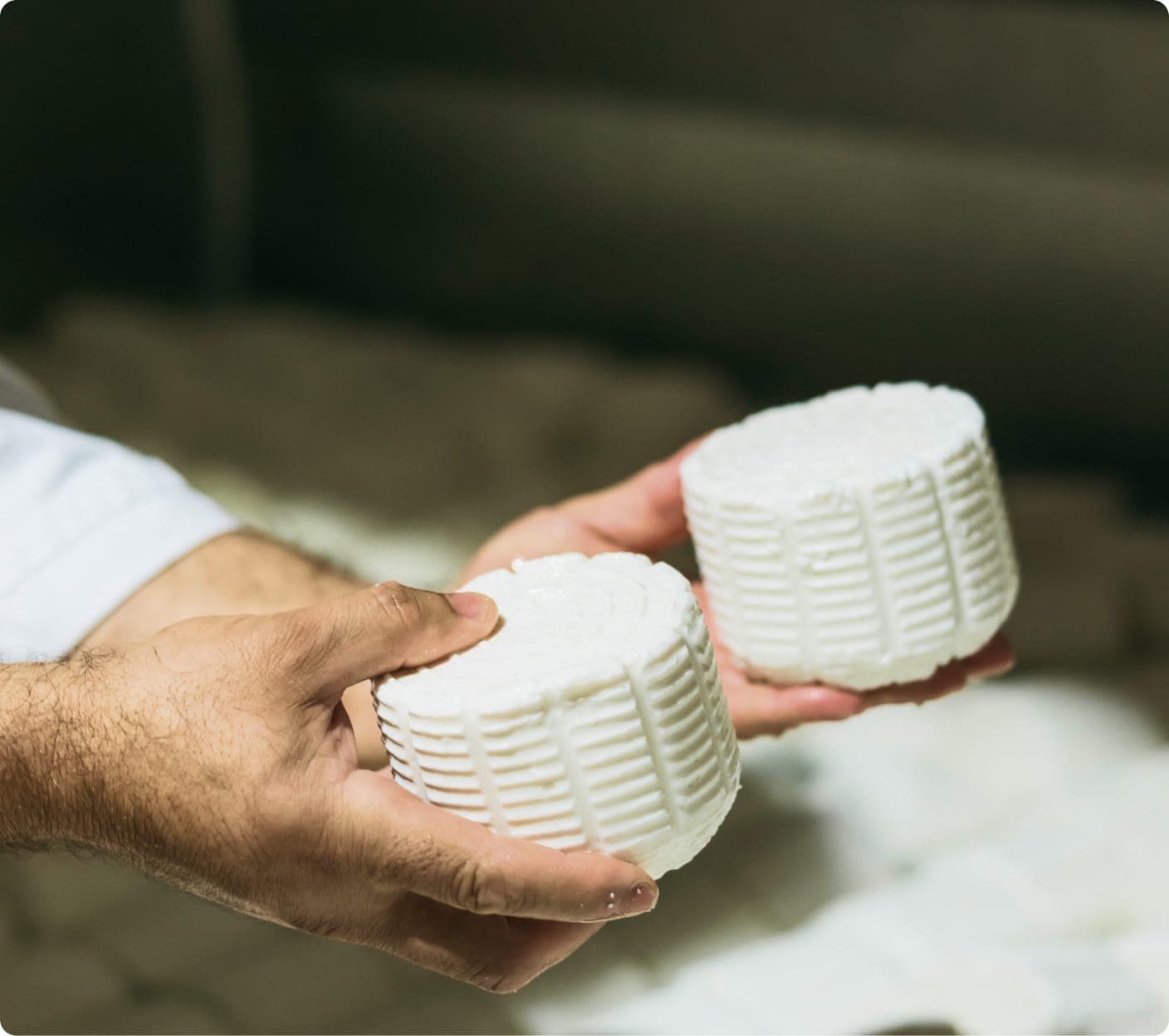
Cheesemaking here follows pastoral rhythms rather than recipes. Sheep and goats graze open land, feeding on wild herbs, grasses, and crop remnants that reflect the same environment as the vines.
Milk is often worked fresh, in small batches, with minimal intervention.
The cheeses - fresh, semi-cured, and aged - are shaped by dry air, time, and repetition. They are cheeses that sit naturally next to a glass of wine, not above it.
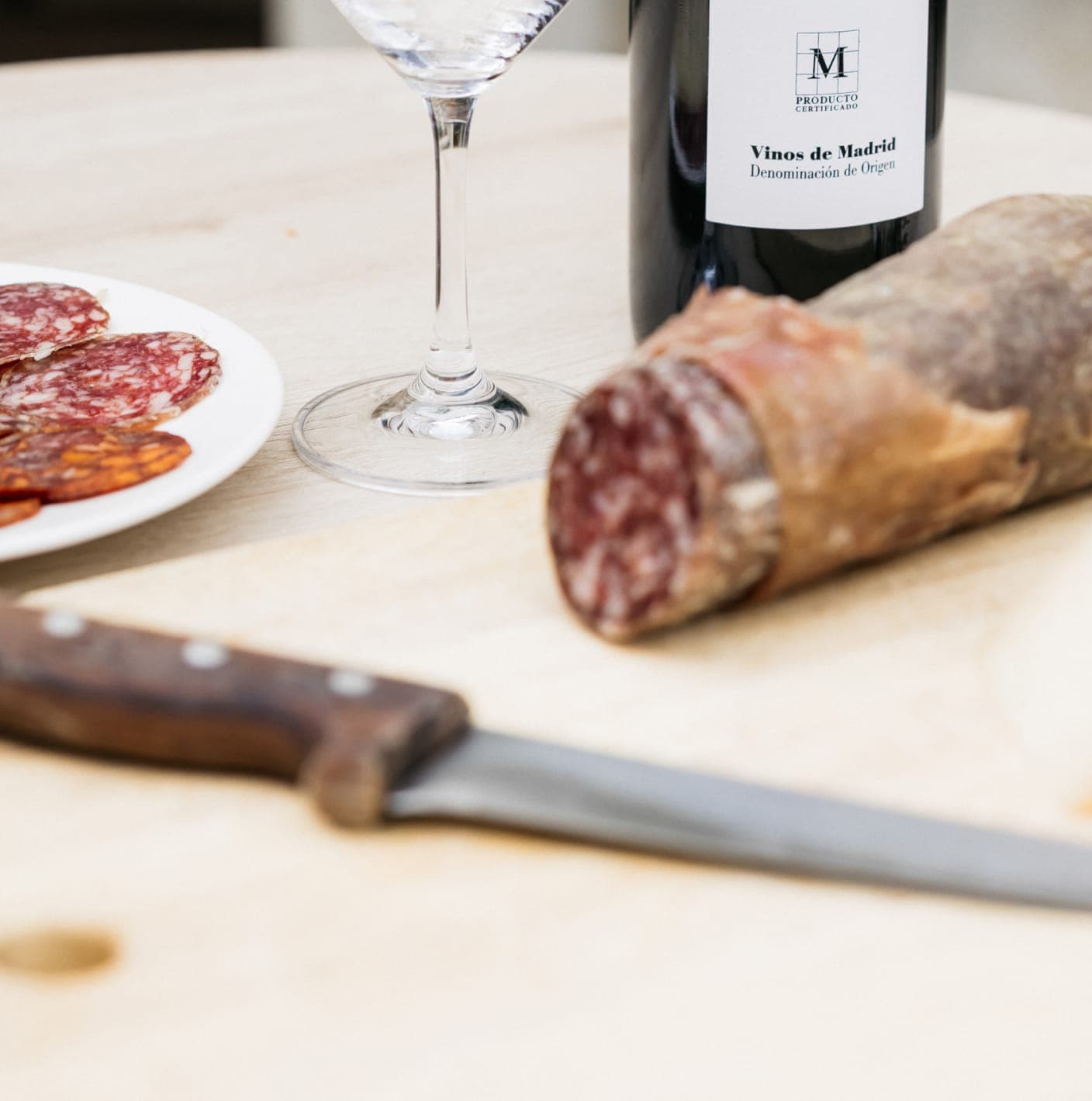
Hams & Charcuterie
Cured meats in Madrid Wine Country are defined by patience and climate.
Salt, air, and time do most of the work.
Small producers cure hams and charcuterie following traditional methods, often sourcing animals locally and working without accelerators or shortcuts. The result is depth without excess - food meant to be shared slowly, sliced thin, and eaten in good company.
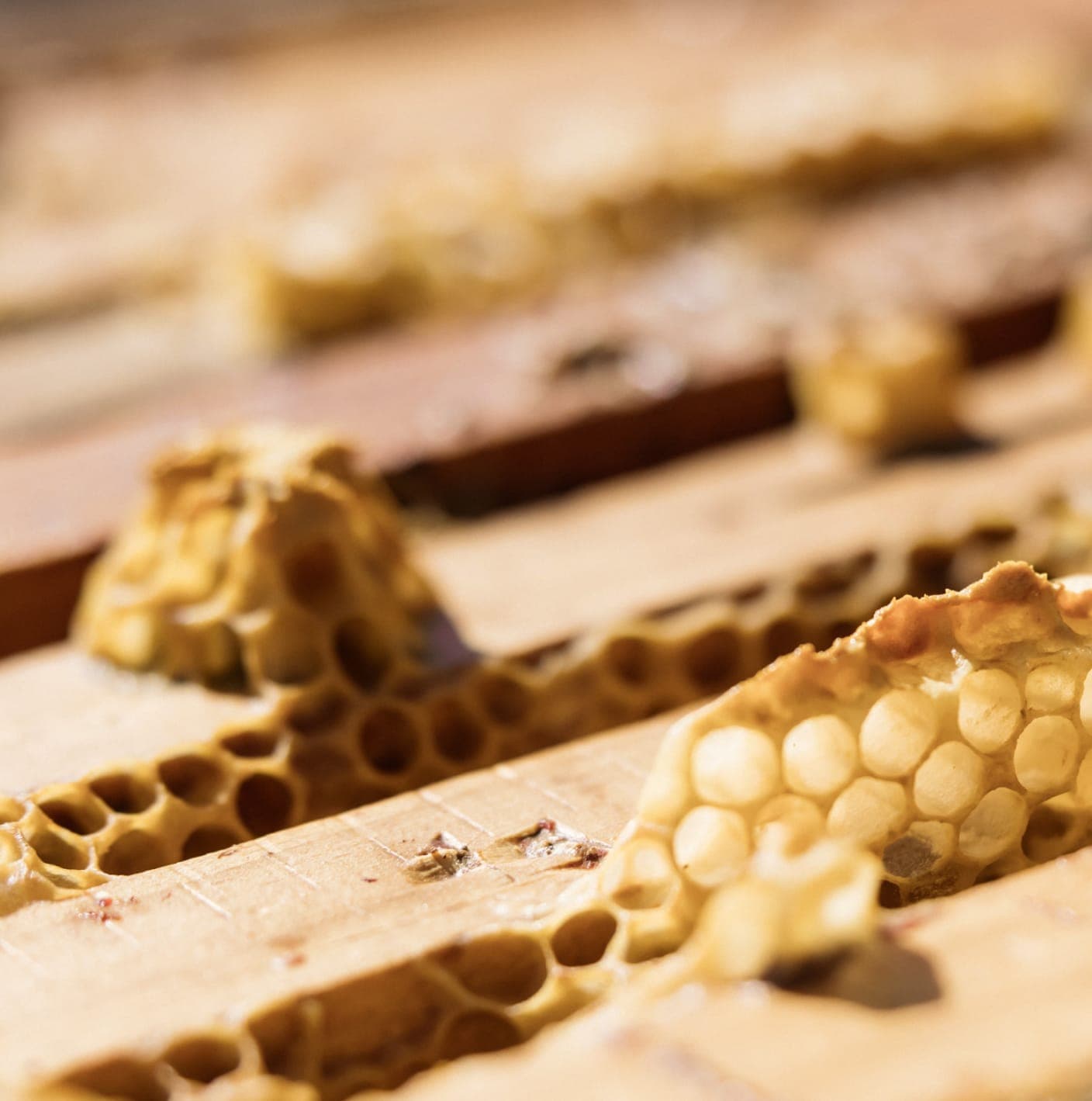
Honey
Beekeeping follows the flowering of the land.
Raw honeys are drawn from rosemary, thyme, lavender, and wild plants that grow between vineyards, olive groves, and fields.
These honeys are typically unfiltered and seasonal, carrying the scent, color, and character of each harvest. They are not standardized - they are specific to time and place.
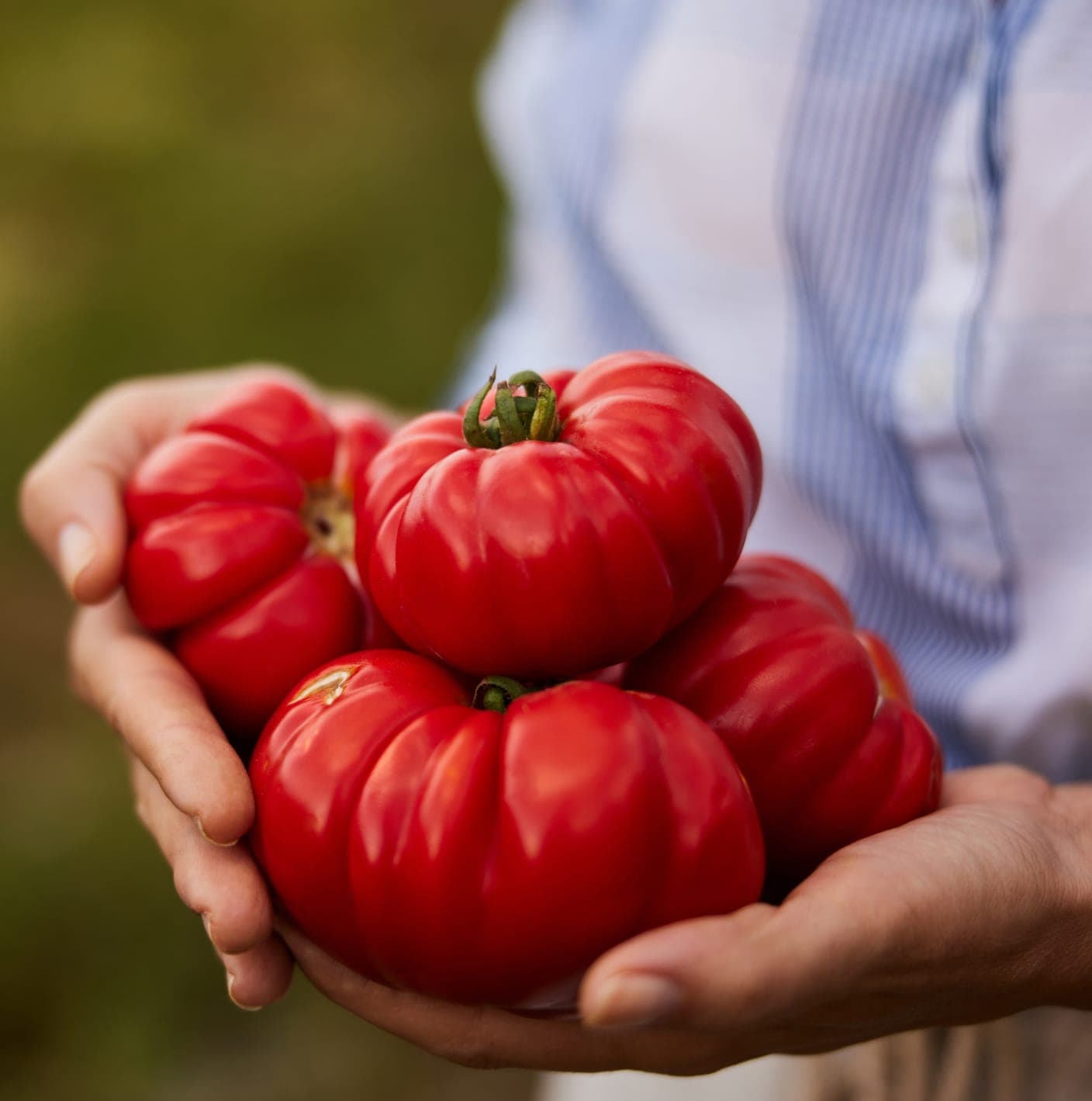
Vegetable Gardens & Huertas
Vegetable gardens have always been part of life here.
Tomatoes, peppers, courgettes, legumes, greens, and seasonal produce are grown in small huertas - often organically, often for family use first, with surplus shared or sold locally.
These vegetables define the rhythm of the table: tomatoes in summer, stews in winter, simplicity always. Freshness matters more than variety. Season matters more than choice.
Madrid Wine Tasting in Historic Cellars & Vineyards
In Madrid Wine Country, experiences are not designed to impress.
They emerge naturally from the land, the season, and the people who open their doors.
Some last an afternoon. Others stretch into evening.
All leave a mark.
What you can experience
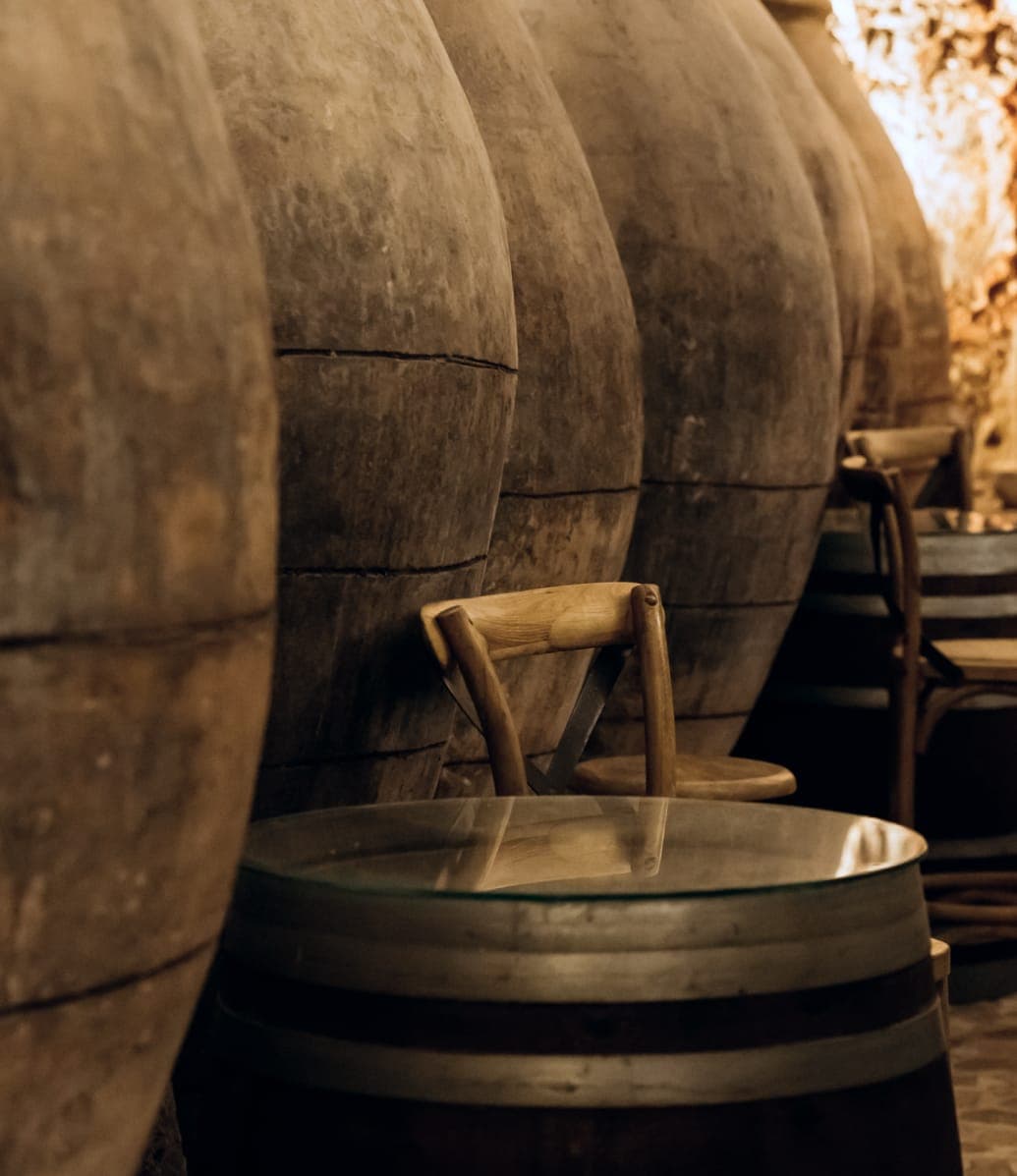
Underground Cellar Tastings
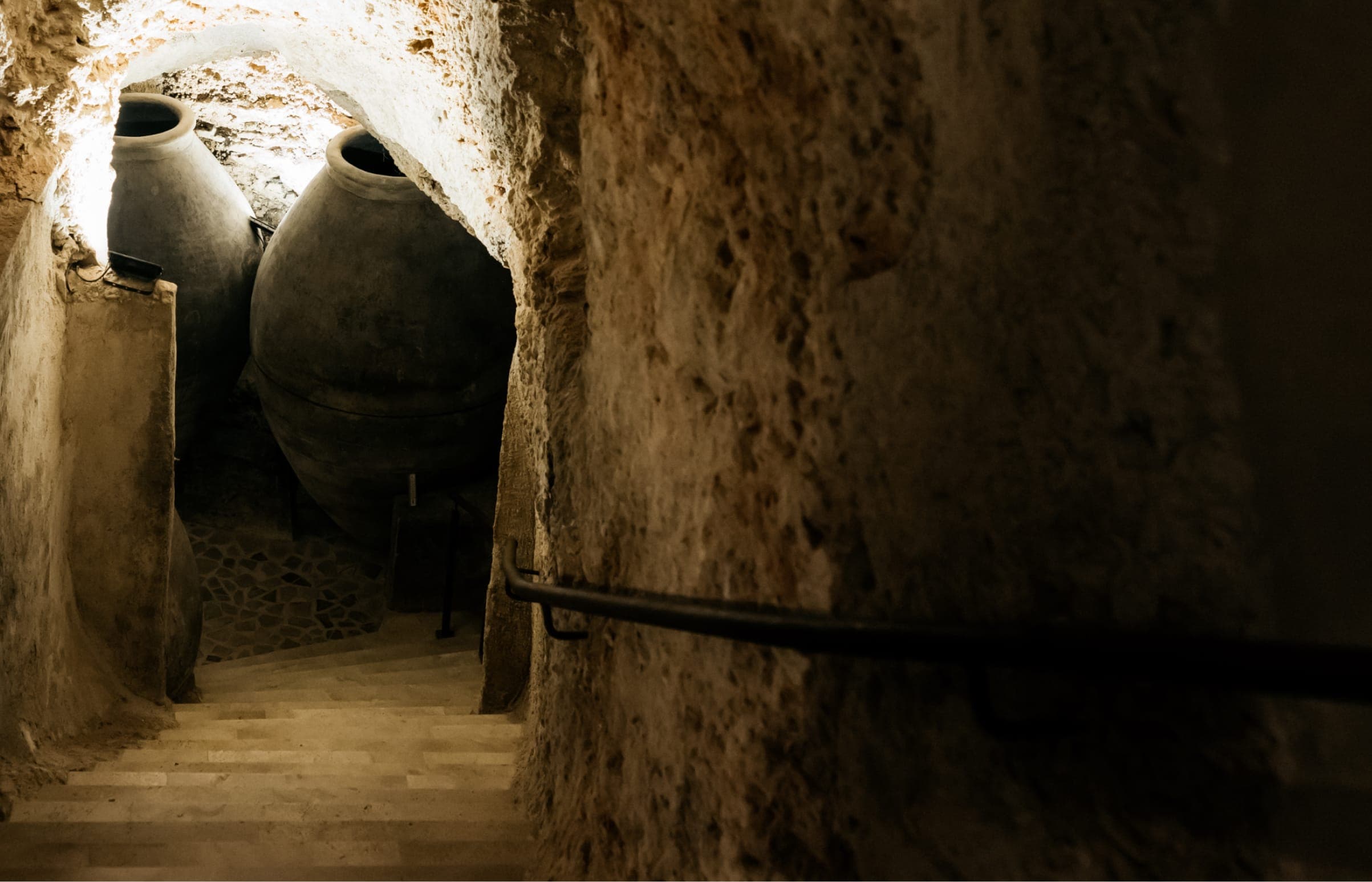
Stone corridors, natural humidity, silence. Wines poured where they were made, in spaces carved to protect them long before visitors arrived.
Discover Wineries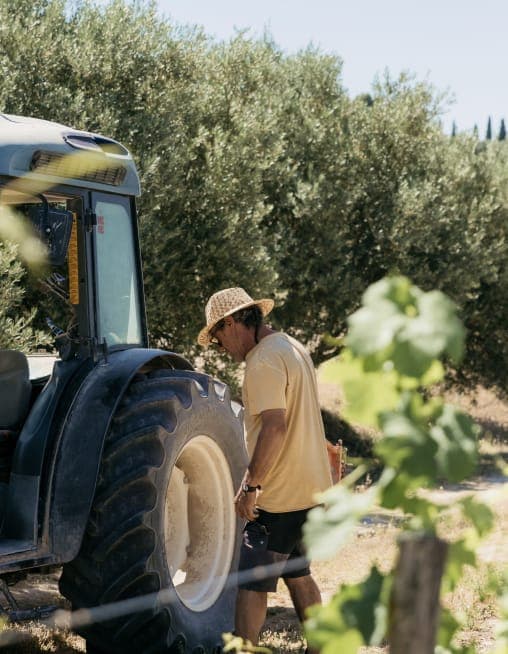
Harvest Moments
Hands stained with grapes. Tractors passing. The quiet intensity of a season when everything matters and nothing can be rushed.
Discover Experiences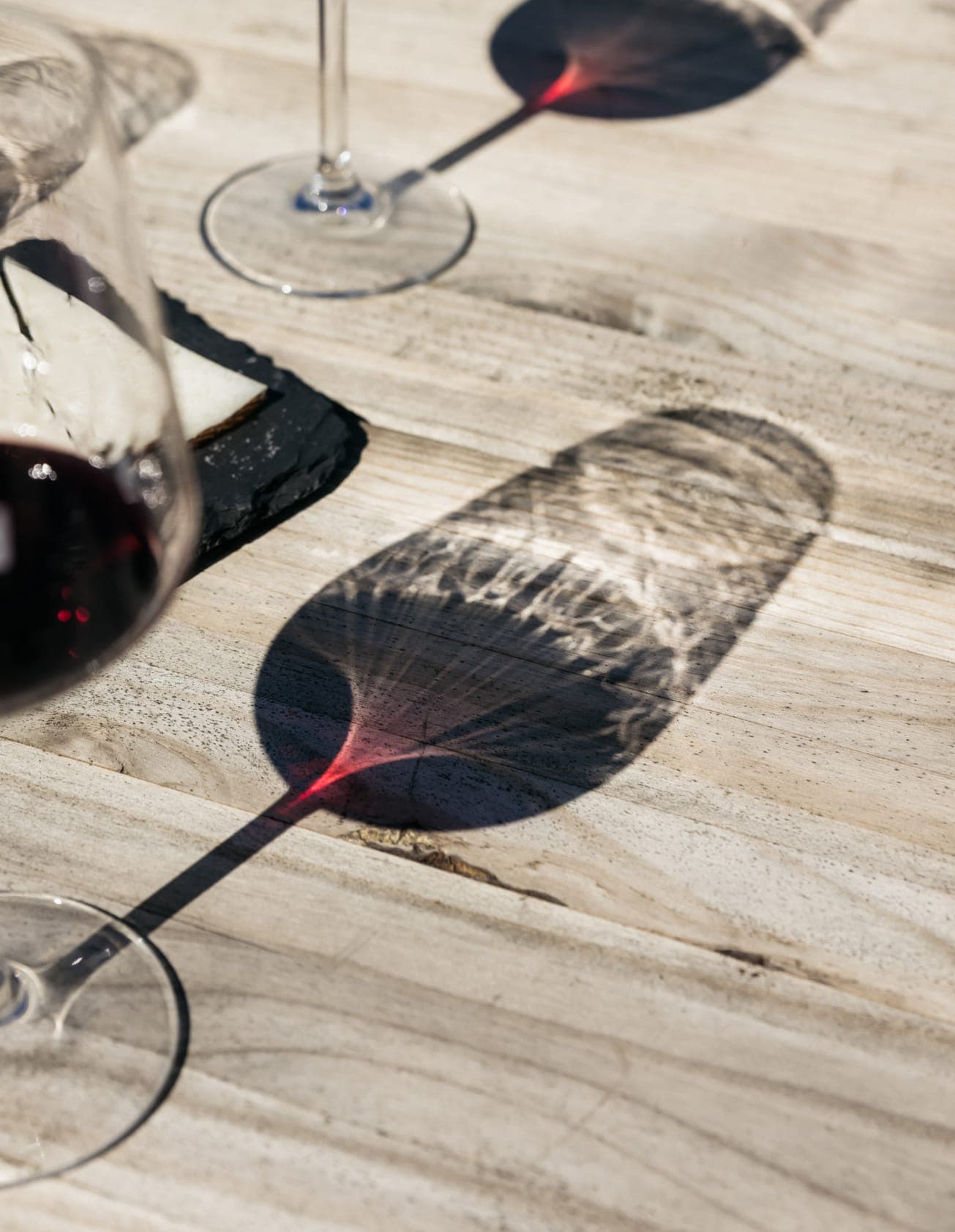
Long Wine Lunches
Tables set without hurry, local dishes passed by hand, bottles opened early and finished slowly. Conversations drift. Time softens.
Private Events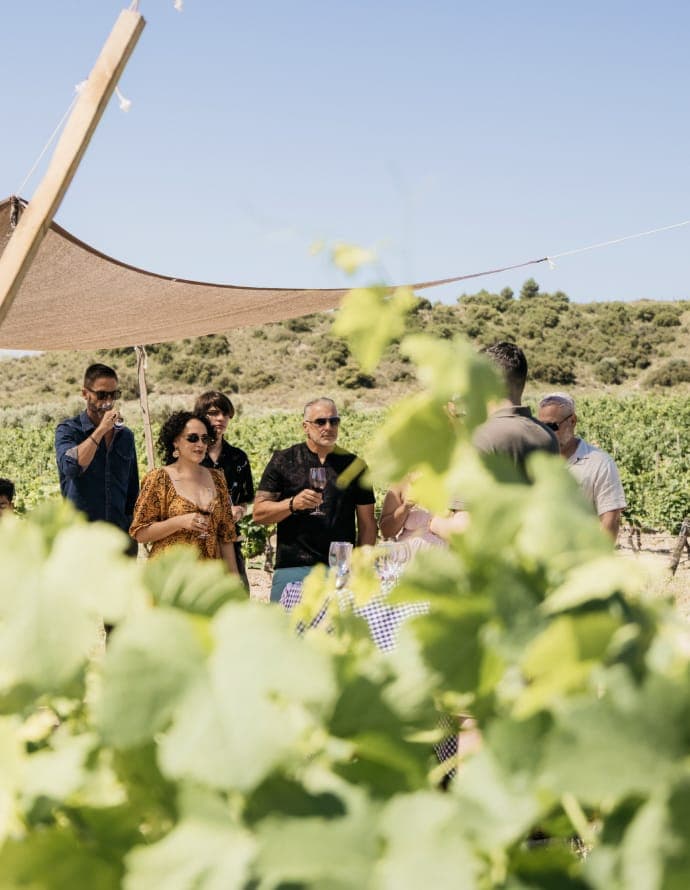
Vineyard Dinners
Evenings spent among vines as light fades, glasses refill, and the landscape becomes part of the meal.
Discover ExperiencesPLAN YOUR VISIT
Madrid Wine Country is closer than it looks - and simpler than you expect.
Most wineries are less than an hour from Madrid.
Some are reached in thirty-five minutes. Routes are compact. Villages are walkable. Visits are personal.
You don’t need to plan everything. You just need to arrive.
Getting There
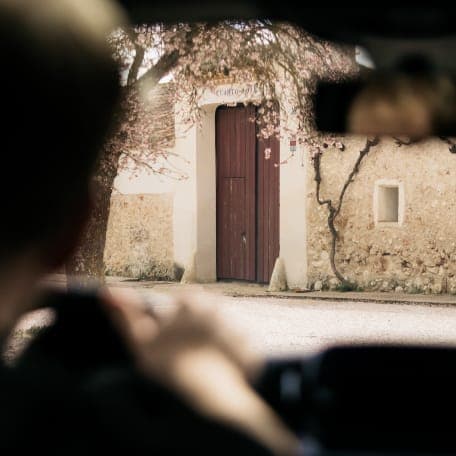
Wine country begins just beyond the city. Whether by car or private transfer, distances are short and days unfold naturally.
Visiting Wineries
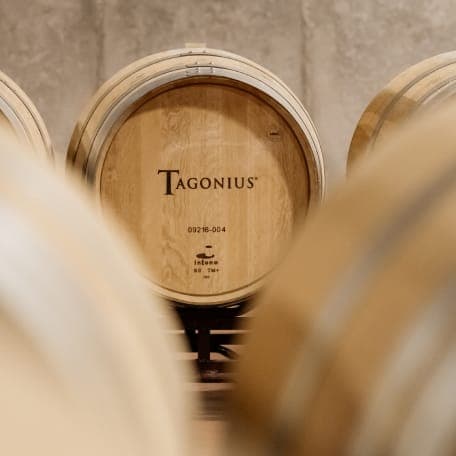
Visits are typically by appointment and shaped around real working days. This keeps them unhurried - and genuine.
Pairing Wine & Food
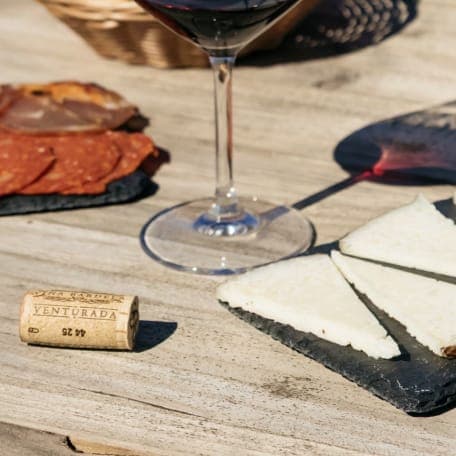
Lunch is not an add-on. It is part of the experience, often extending naturally from the cellar to the table.
When to Come
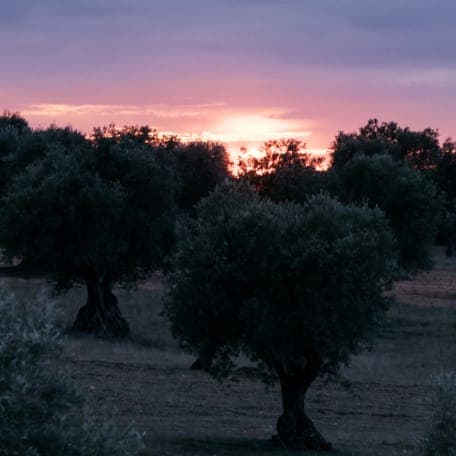
Each season brings its own rhythm: freshness in spring, long evenings in summer, harvest energy in autumn, quiet depth in winter.