

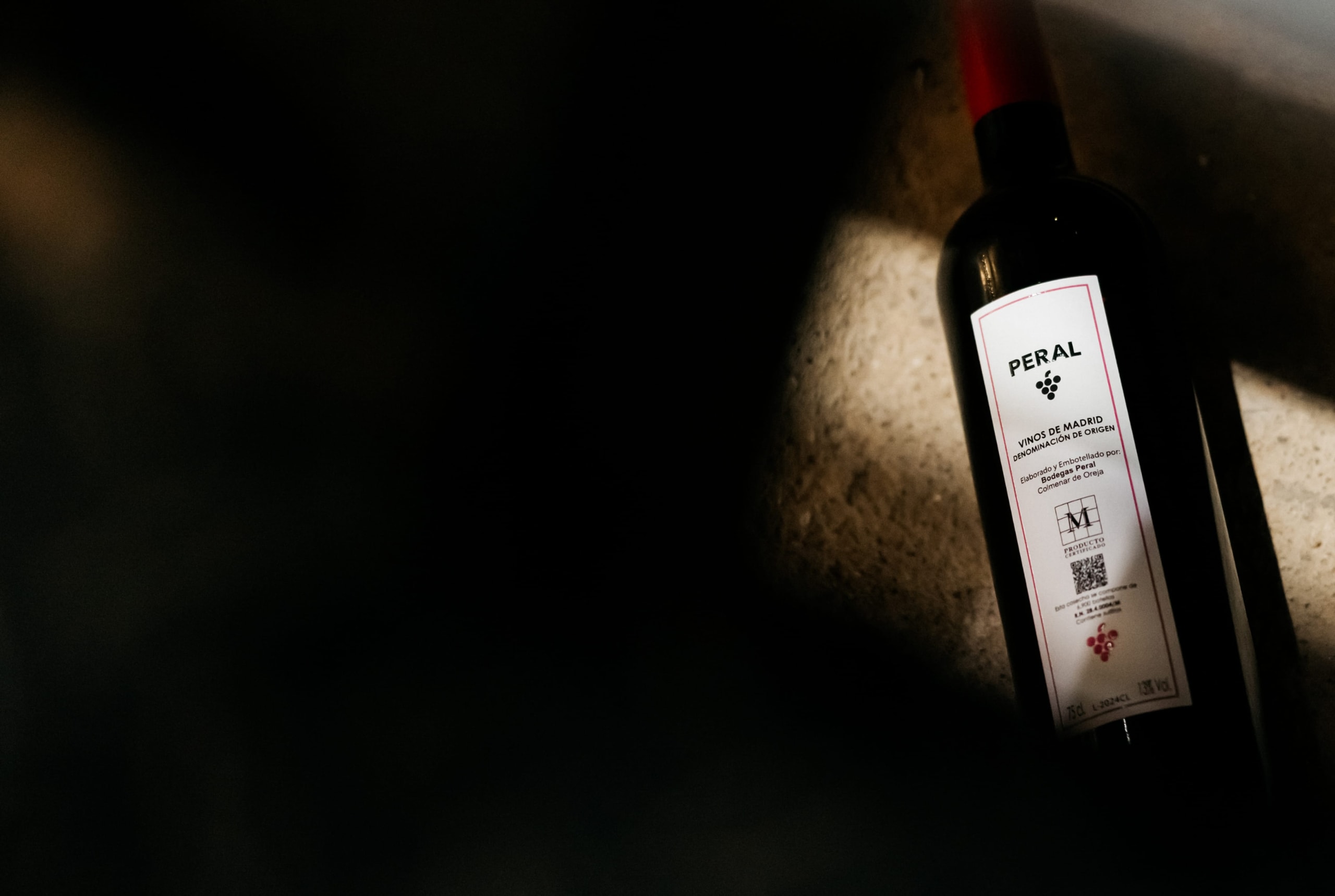
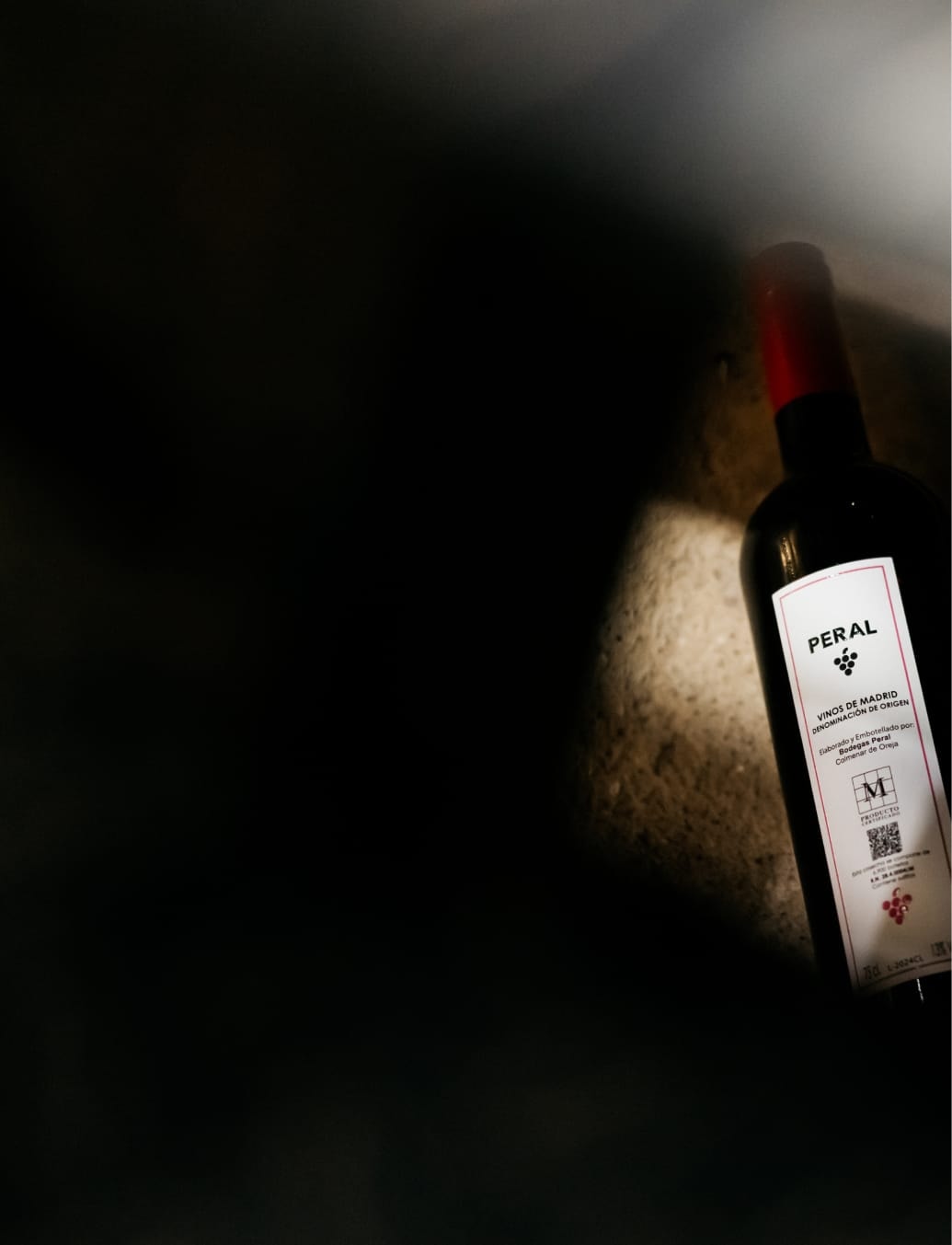
High altitude. Continental edge. Distinct identity.
Wines of Madrid
Madrid is one of the very few world capitals with a protected wine region at its doorstep. Yet Vinos de Madrid remains one of Spain’s most misunderstood appellations.
This is not an emerging region. It is a historic vineyard landscape, shaped by altitude, continental extremes, and radical soil diversity - now reinterpreted by a new generation of precision-driven producers.
Madrid wines are defined not by volume, but by contrast.
Terroir: where tension becomes elegance
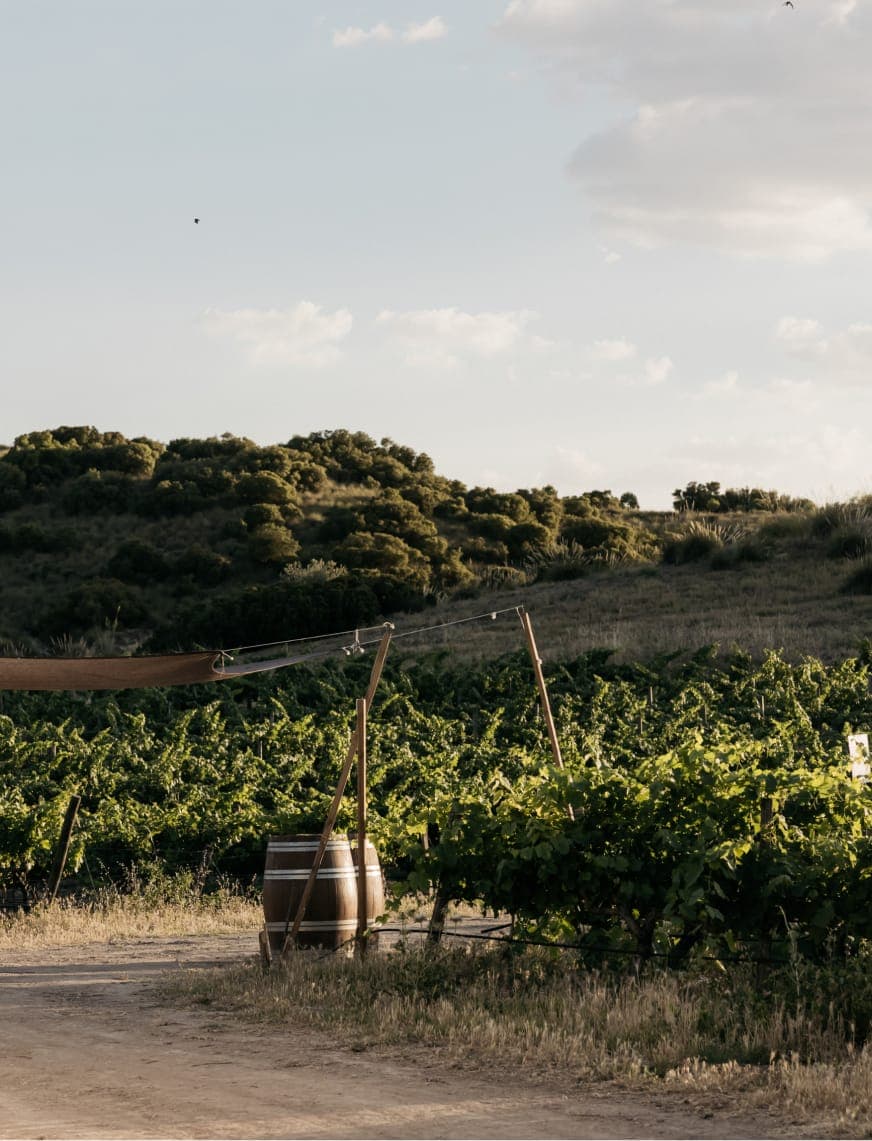
Madrid’s vineyards lie between 600 and over 1,000 meters above sea level, under a continental climate with hot, dry summers and cold winters. The region enjoys more days of sunshine than most European wine regions, yet avoids excess through altitude and sharp diurnal shifts.
What defines Madrid wines is not heat - it is contrast: intense sunlight balanced by cool nights, slow ripening, and natural freshness.
Soils shift dramatically across short distances:
- Granite and slate in the north and western hills
- Clay-limestone and sandy soils in the central and southern plains
The result is wines that are structured yet lifted, expressive without excess, and unmistakably tied to place.
Historically rich area
8,860
Hectares of planted vines, showing the scale of the wine-growing area around Madrid.
28,487
Hectoliters of wine annually under the Vinos de Madrid designation, equivalent to roughly 2.85 million litres of wine.
51
Wineries producing wine within the Vinos de Madrid region, highlighting the active production network.
Grapes: local soul, global clarity
The most compelling Madrid wines are defined by place, not by variety.
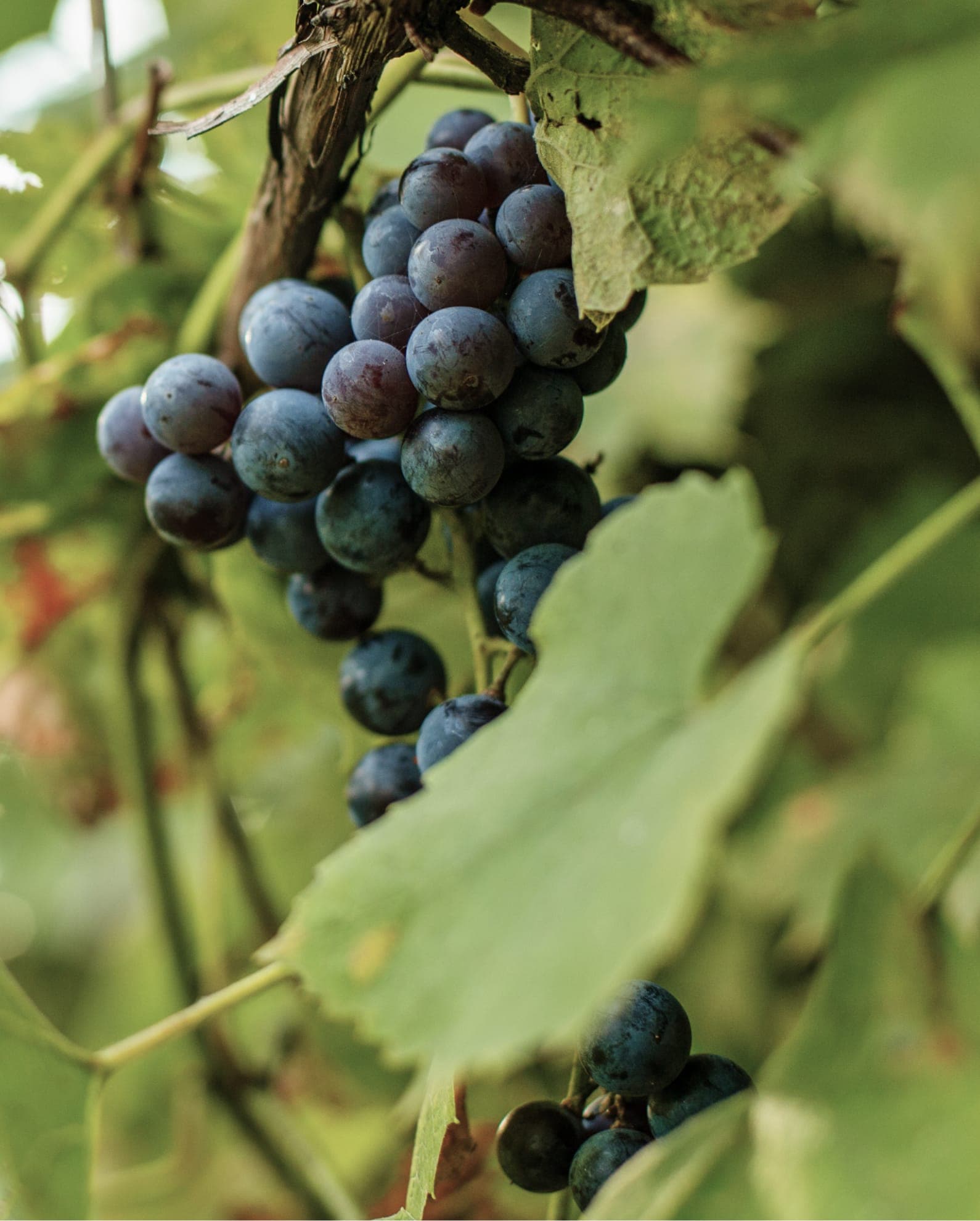
Historic & local varieties
Madrid’s identity comes from the dialogue between heritage varieties and international grapes, all shaped by the same demanding environment.
International varieties are used selectively
Cabernet Sauvignon, Syrah, Merlot, Petit Verdot, Sauvignon Blanc - supporting balance and longevity, never dominating site expression.
The most compelling Madrid wines are defined by place, not by variety.
The most compelling Madrid wines are defined by place, not by variety.

Wine styles of Madrid
Diversity with discipline Madrid produces a complete yet coherent range of wine styles, unified by freshness, balance, and restraint.
Spotlight: Clarete
Madrid’s quiet original
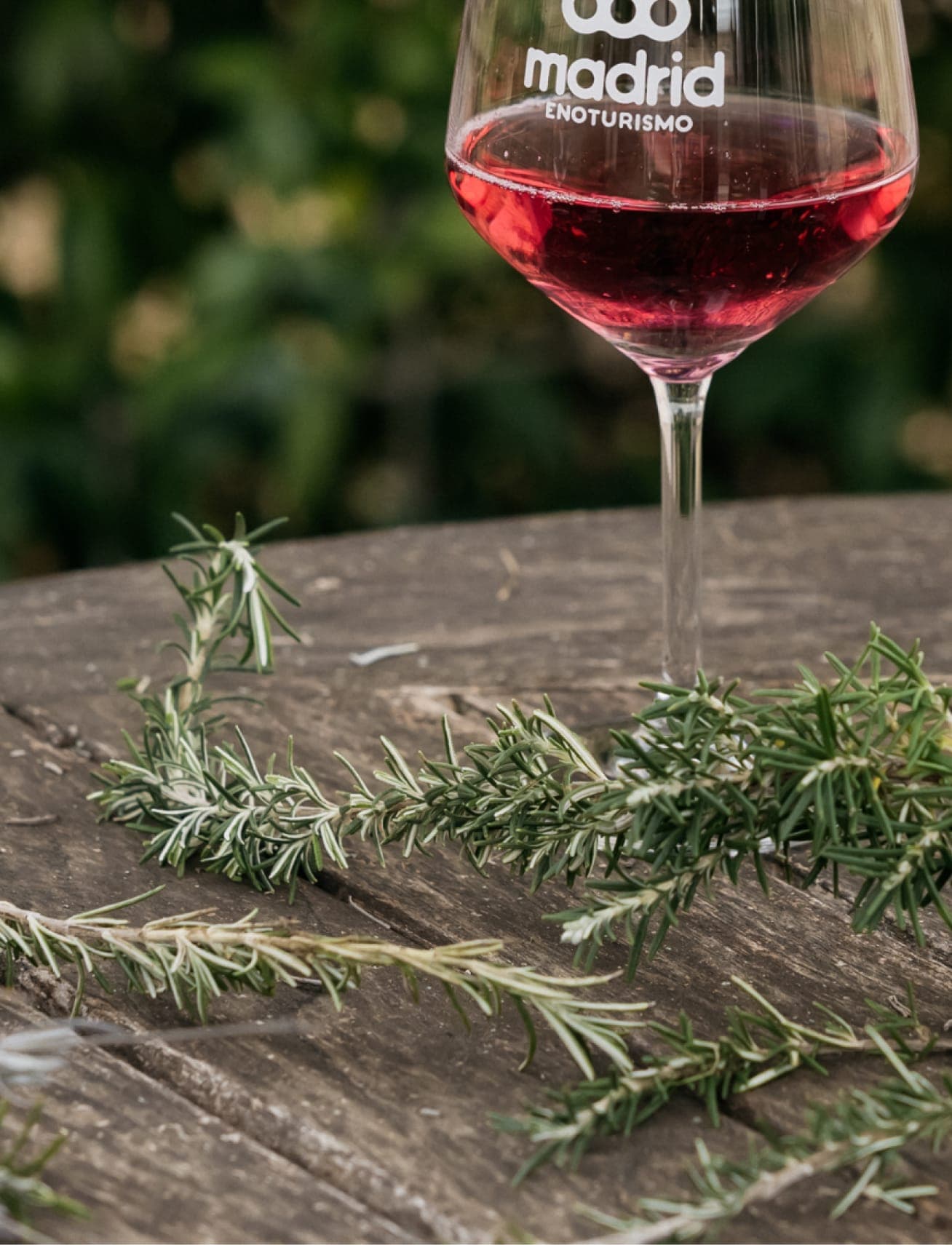
Spotlight: Clarete
Madrid’s quiet original
Clarete is one of Madrid’s most distinctive traditions - and one of Spain’s least understood wine styles.
Unlike rosé, clarete is made by co-fermenting red and white grapes together. The result is a wine that is light in color, vibrant in texture, and unusually expressive of place.
Why it matters
- Deeply rooted in rural tradition
- Naturally fresh and food-friendly
- Impossible to replicate without the right grapes and climate
Bright, delicate, lightly structured - with freshness and subtle grip.
Spotlight: Sobremadre
Wines that stay alive
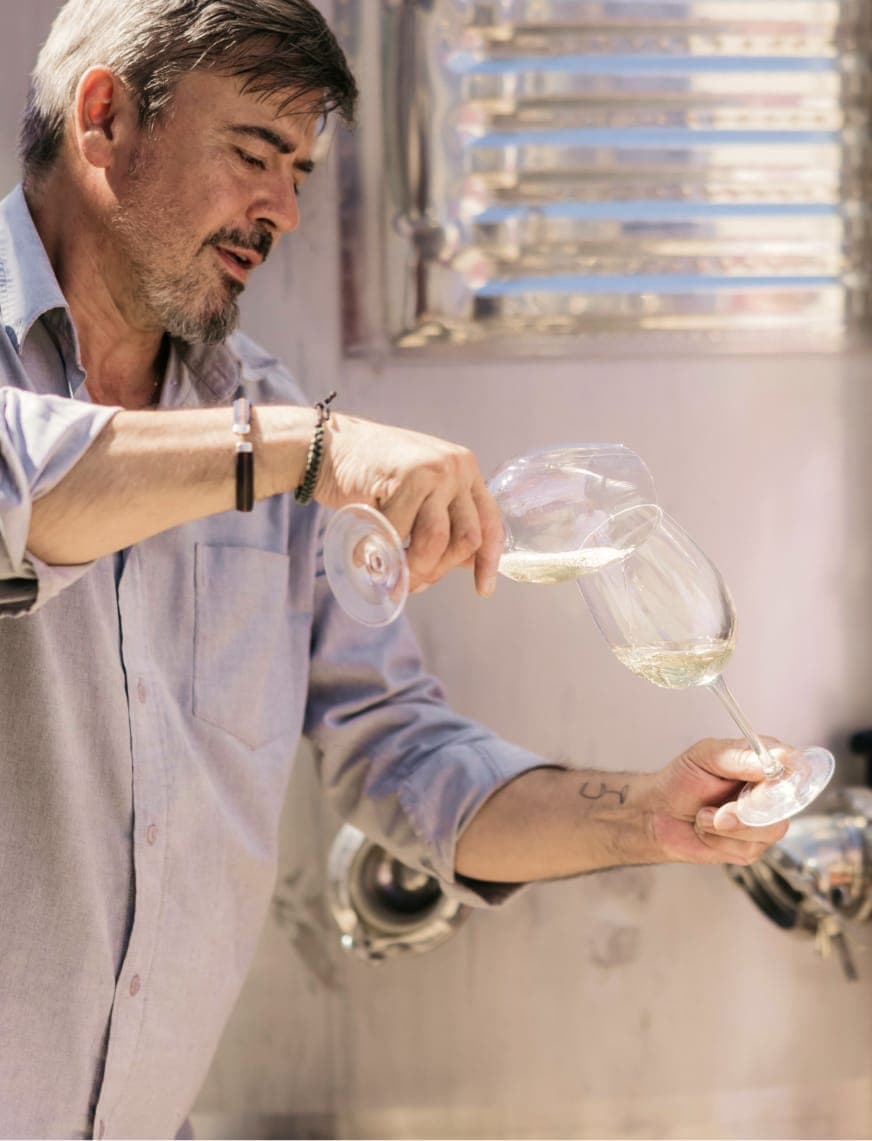
Spotlight: Sobremadre
Wines that stay alive
Sobremadre is a protected traditional category unique to Madrid.
The wines remain in contact with their lees (“the mothers”) after fermentation, preserving natural CO₂ and enhancing texture without artificial intervention.
This method produces wines that feel dynamic, layered, and energetic — closer to the vineyard than the cellar.
Why it matters
- A legally protected local tradition
- Enhances texture and freshness naturally
- Aligns with low-intervention, terroir-driven winemaking
Textural, vibrant, gently saline — a sense of movement on the palate.
Winemaking: precision over excess
Tradition provides the framework. Modern producers refine it with intent.
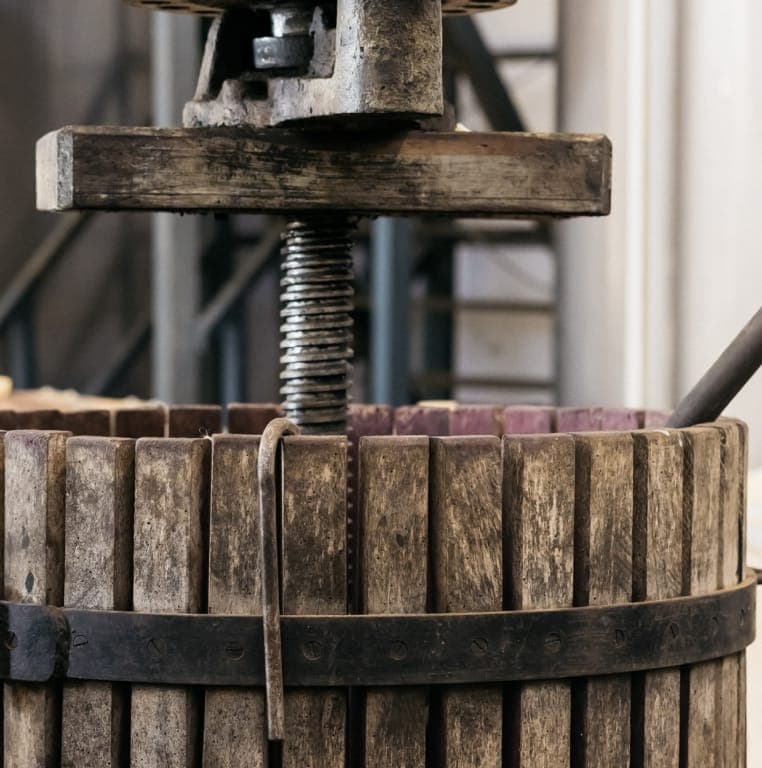
Madrid wines stand apart not only for where they grow, but how they are made.
- Continental precision ripeness balanced by acidity
- Old vines, low yields depth without heaviness
- Controlled extraction clarity over force
- Clear regulatory guardrails quality protected by the DOP
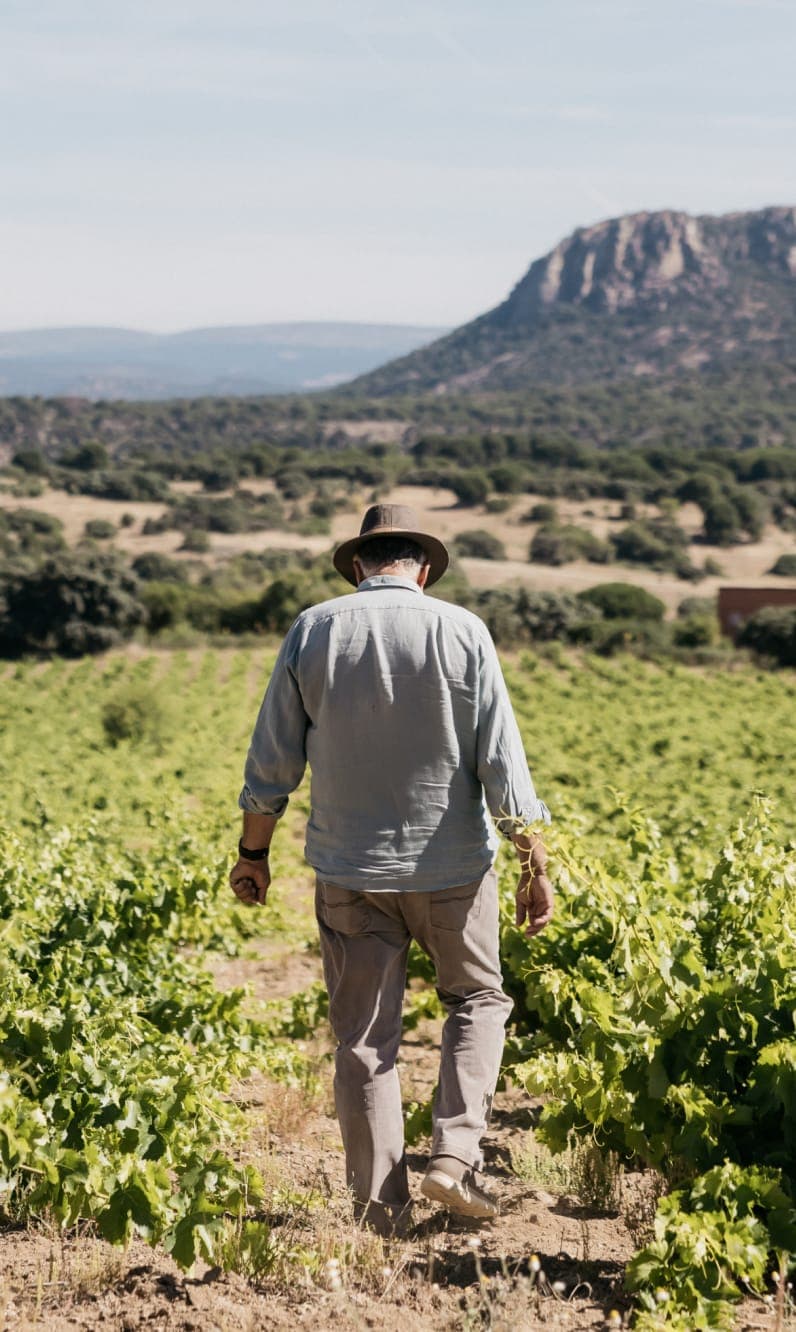
Four subzones, four expressions
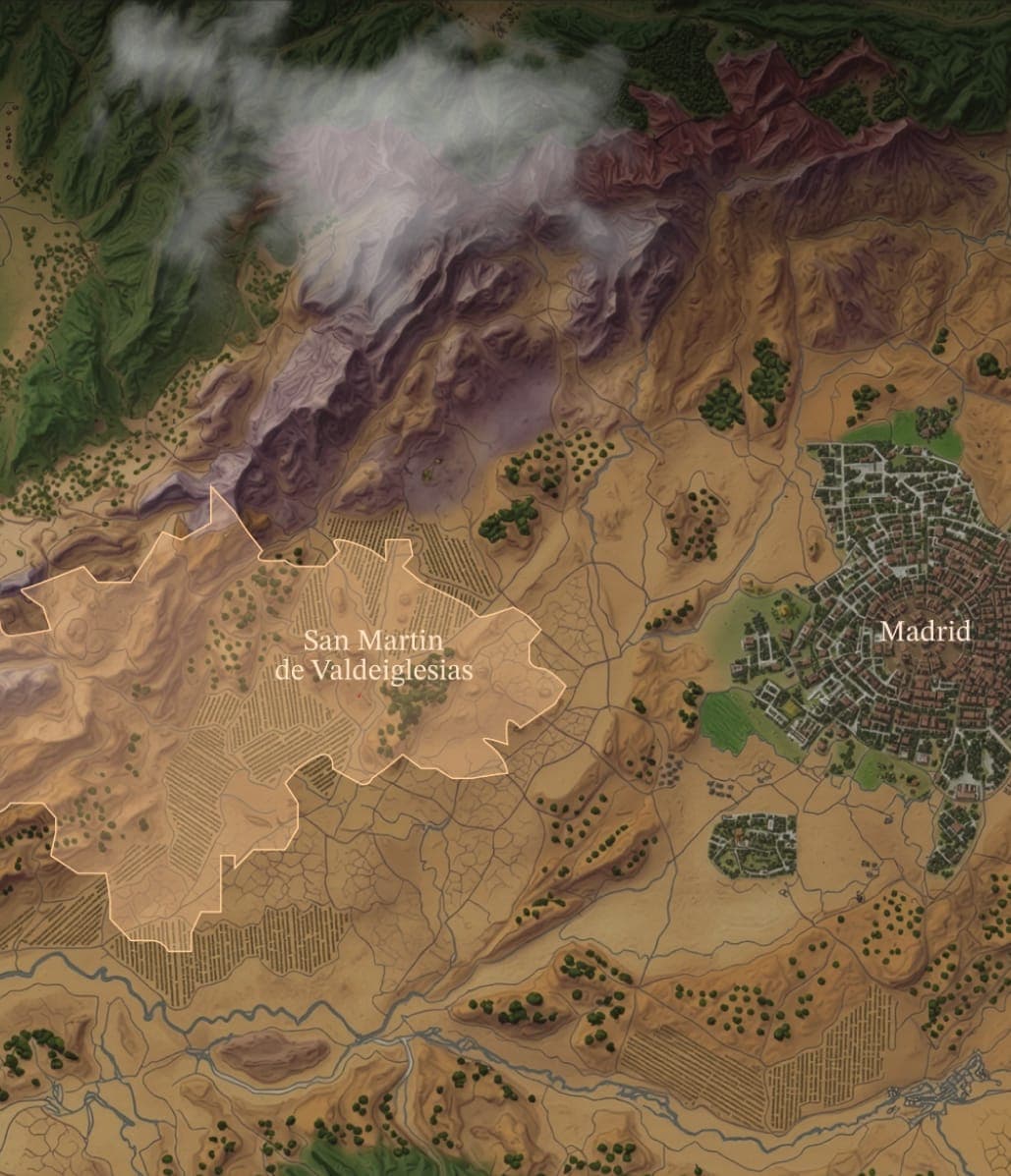
San Martín de Valdeiglesias
Granite · altitude · precision . Aromatic, mineral Garnacha with elegance and tension.
Discover More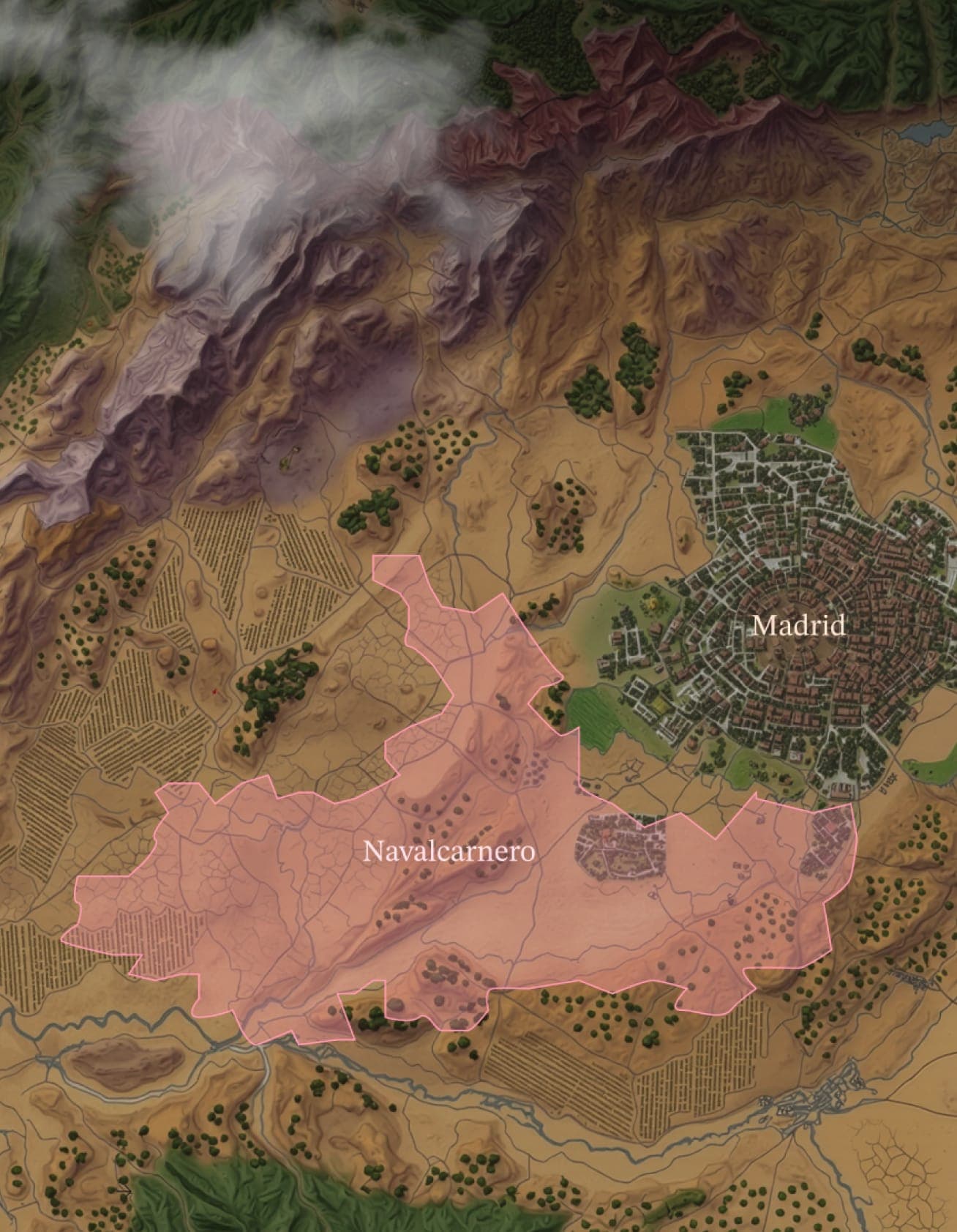
Navalcarnero
Historic heartland · old vines . Generous yet balanced Garnacha-driven wines.
Discover More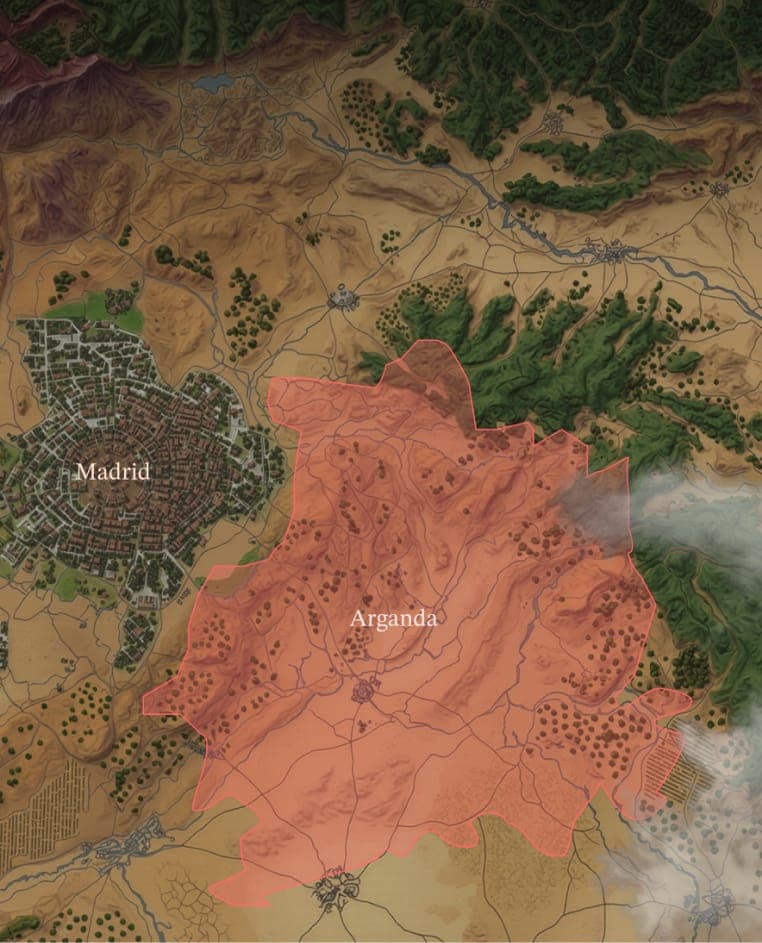
Arganda del Rey
Clay-limestone · structure . Serious reds and quietly compelling whites built for the table.
Discover More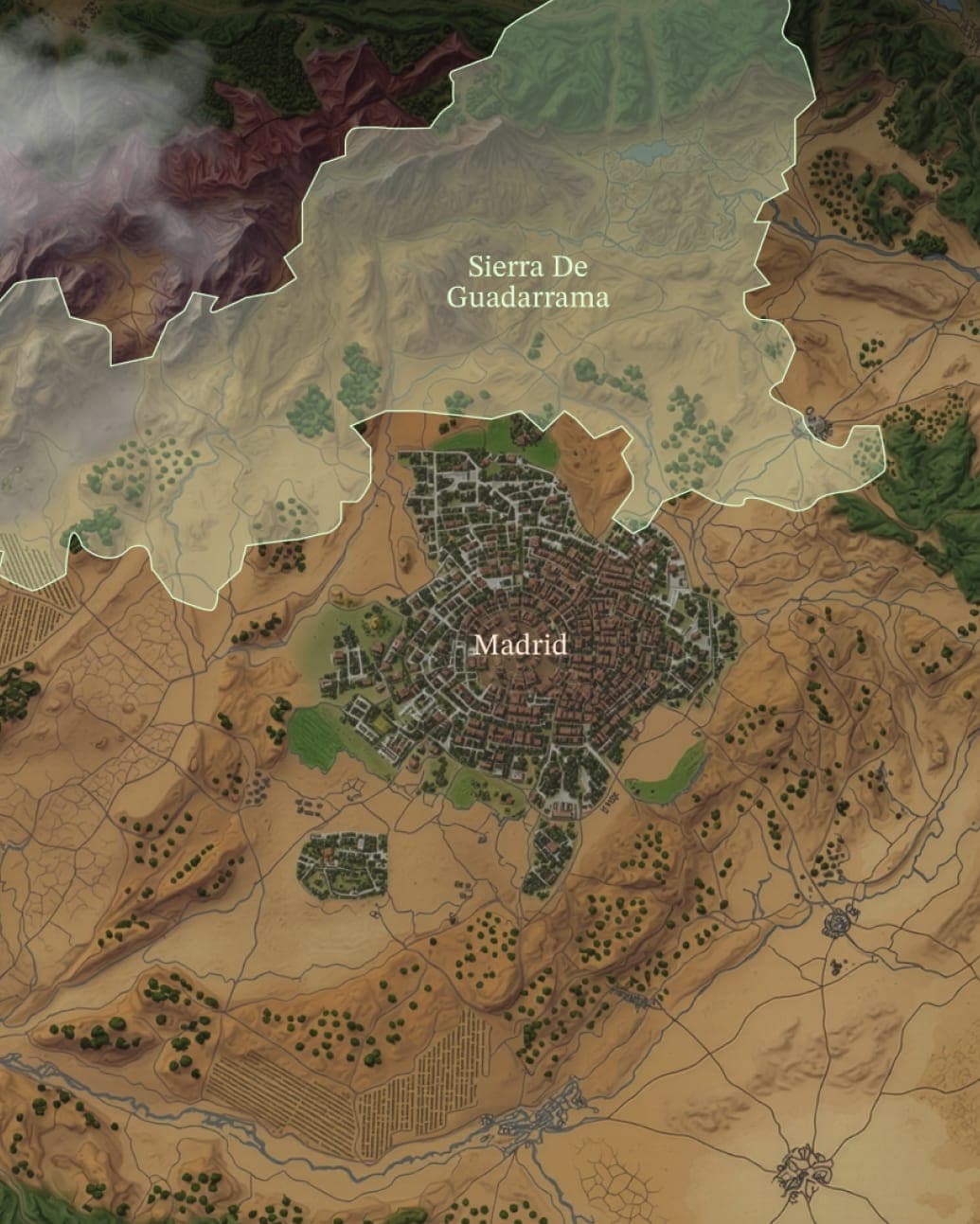
El Molar (North Madrid)
Granite & slate · freshness. Vertical, precise wines shaped by stone and altitude.
Discover MoreWhy Madrid wines matter now
Madrid is no longer Spain’s best-kept secret - yet it remains undervalued by reputation rather than reality. For those who care about terroir, restraint, and authenticity, this is a region discovered through understanding, not hype. To drink Madrid wine is to experience Spain beyond the obvious.