

Bodegas El Regajal
Aranjuez · Subzona Arganda · D.O. Vinos de Madrid
“Donde el vino se forma no solo por el suelo y el clima, sino por un entorno natural protegido en el que los viñedos forman parte de un ecosistema vivo más amplio.”
- Bodegas El Regajal
Lugar y Paisaje
Bodegas El Regajalse encuentra cerca de Aranjuez, dentro de la Reserva Natural El Regajal–Mar de Ontígola, en la zona sur de Madrid. El paisaje está definido por llanuras abiertas, influencia fluvial y un clima continental marcado por veranos calurosos y noches frescas. La finca se sitúa en un terreno suavemente ondulado con suelos de caliza, arcilla y arena, condiciones que favorecen una maduración equilibrada bajo extremos climáticos exigentes.
La propiedad ha sido conocida durante mucho tiempo por su población de lepidópteros y ha sido estudiada por entomólogos desde el siglo XIX. Según la bodega, la finca alberga77 de las 225 especies de mariposas registradas en la Península Ibérica.Los viñedos, la vegetación nativa y la fauna coexisten como parte de un entorno natural protegido en lugar de como parcelas agrícolas aisladas.
Orígenes e Identidad de la Finca
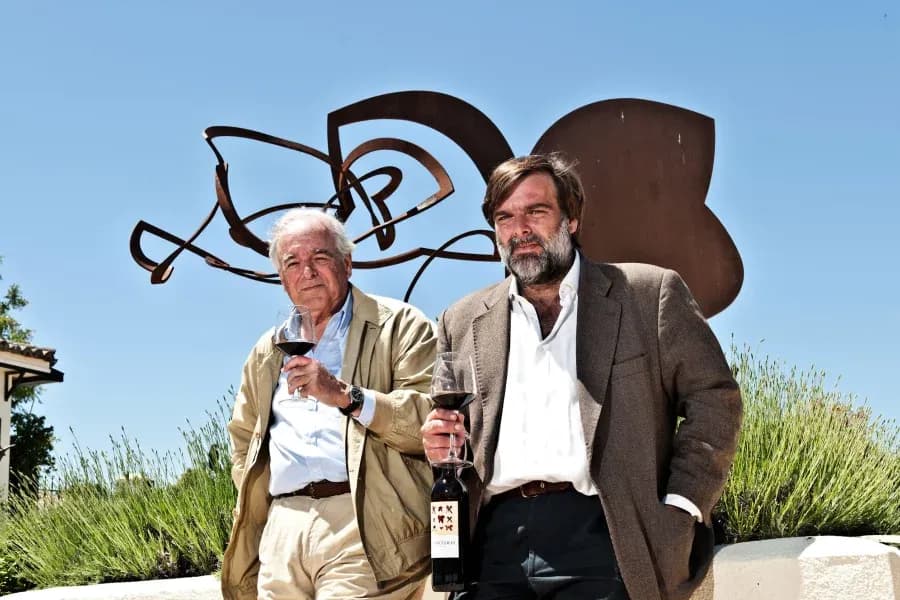
El Regajal es un proyecto familiar establecido en 1998 y concebido como una bodega de finca desde el principio. Los viñedos se extienden actualmente a lo largo de 14 hectáreas, plantados y gestionados con una perspectiva a largo plazo que prioriza el equilibrio ambiental sobre el rendimiento. Desde su fundación, el proyecto ha enfatizado la biodiversidad, la observación del suelo y las prácticas agrícolas de bajo impacto como elementos centrales de la gestión del viñedo.
La presencia y el comportamiento de las especies de mariposas en la finca se tratan como indicadores del equilibrio ecológico, proporcionando retroalimentación continua sobre la salud del entorno circundante.
Visita Bodegas El Regajal con Madrid Wine Country
Minimum Guests
Viñedos, Tierra y Uvas
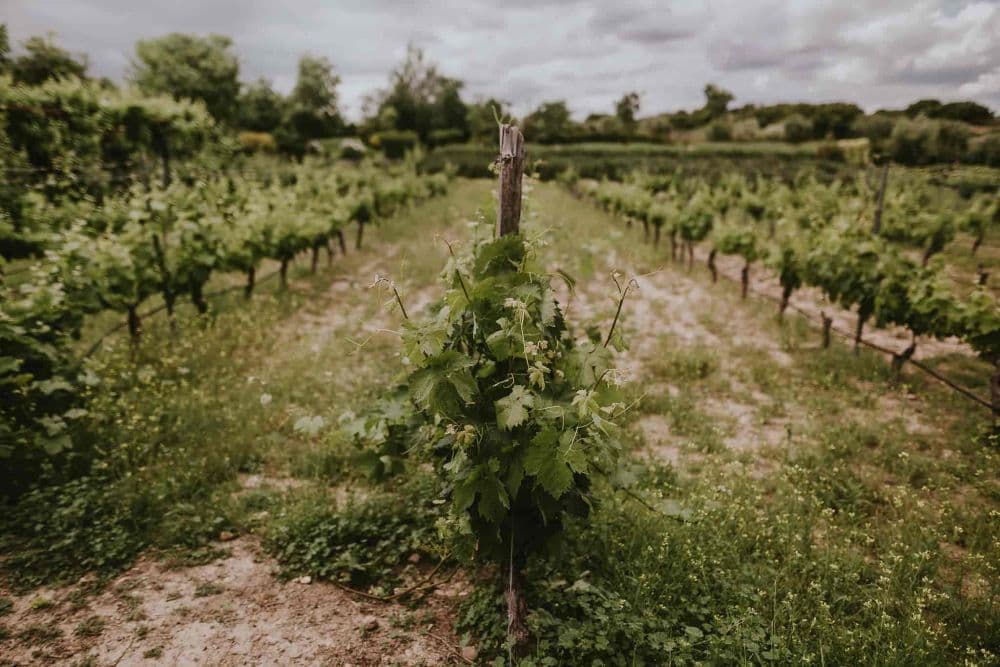
Las variedades de uva clave cultivadas en la finca incluyen:
Tempranillo
Cabernet Sauvignon
Syrah
Merlot
Petit Verdot
Enfoque
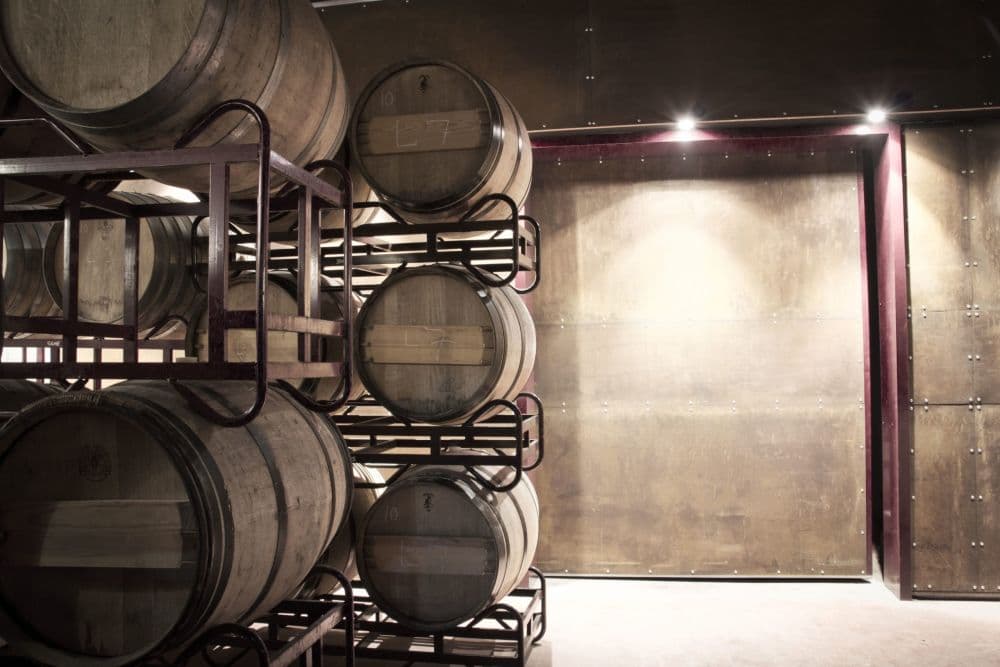
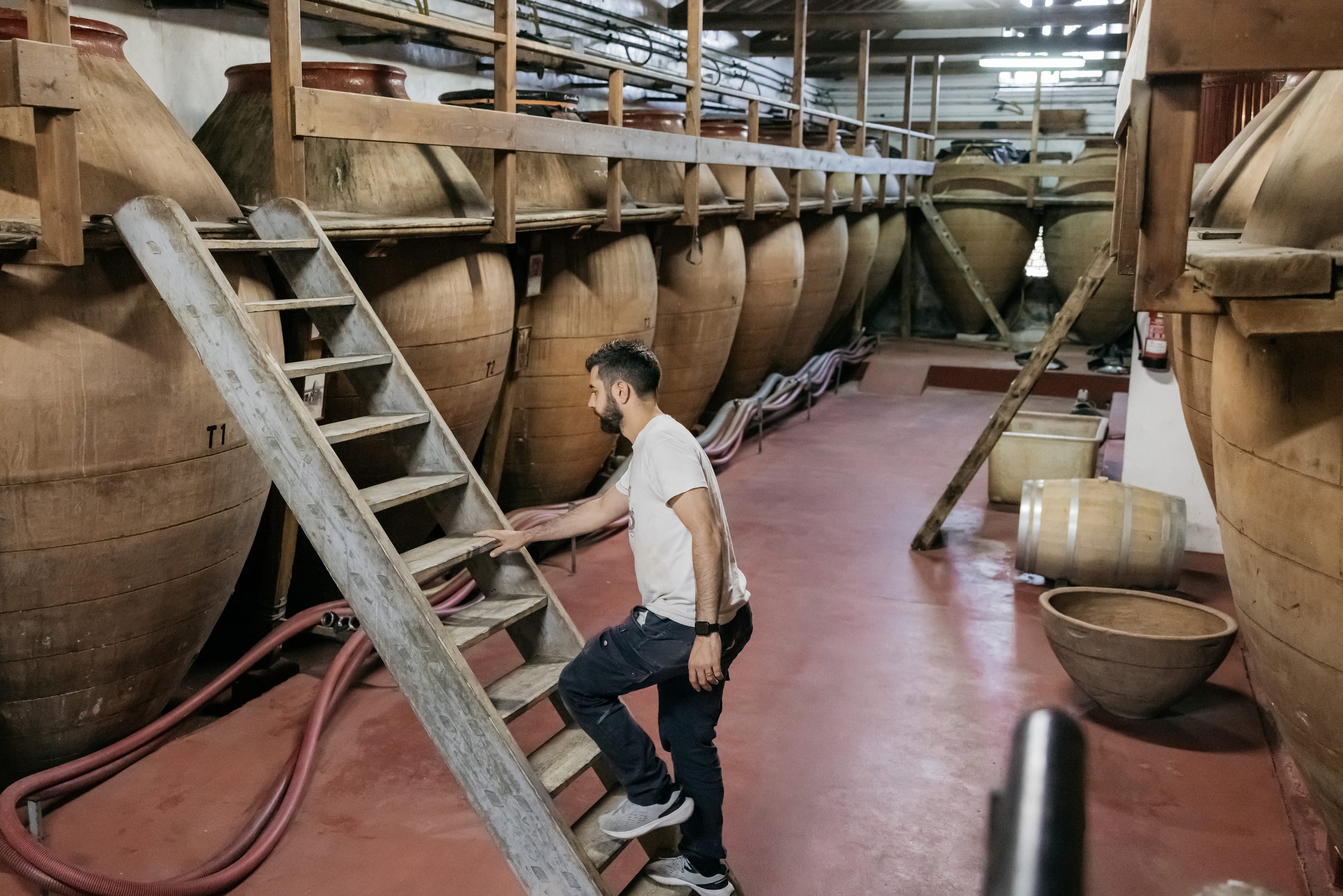
La vinificación en El Regajal se centra en la claridad, el equilibrio y el potencial de envejecimiento. Las fermentaciones se controlan para preservar el carácter varietal, y el envejecimiento en roble se aplica con moderación, apoyando la estructura sin dominar la expresión.
Cada vino se trata como una expresión de la finca, reflejando las condiciones estacionales y el ecosistema circundante.
Vinos
Bodegas El Regajal produce una gama de vinos elaborados exclusivamente con uvas de la finca, con su producción estructurada en torno a un pequeño número de cuvées claramente definidas.
Además de estos, la bodega produce otros vinos limitados y complementarios dentro de su cartera, todos procedentes de los mismos viñedos de la finca y alineados con los mismos principios ecológicos y vitivinícolas.
Un elemento visual definitorio en toda la gama es el uso deimágenes de mariposas en las etiquetas.Cada vino presenta una especie de mariposa específica documentada en la finca, haciendo referencia directa a la población de lepidópteros protegida de El Regajal. Estas etiquetas no son motivos decorativos, sino que corresponden a especies reales presentes en la reserva natural, reforzando la identidad de la bodega como una finca donde la biodiversidad y la producción de vino son inseparables.
Los vinos principales de la bodega son:
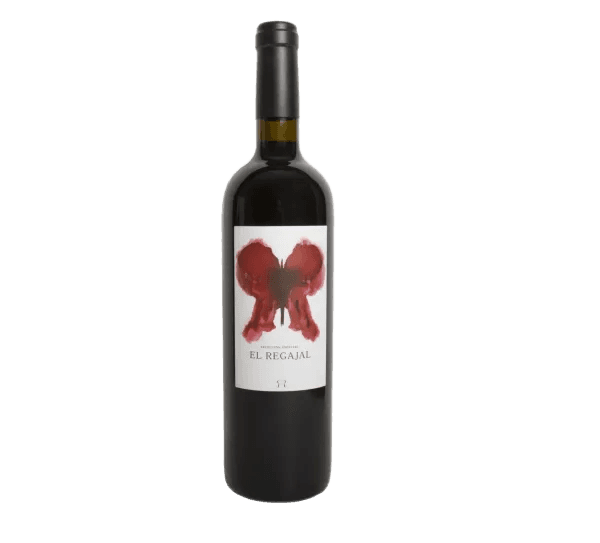
El Regajal Selección Especial
El vino insignia de la finca, construido para la estructura, el equilibrio y el envejecimiento
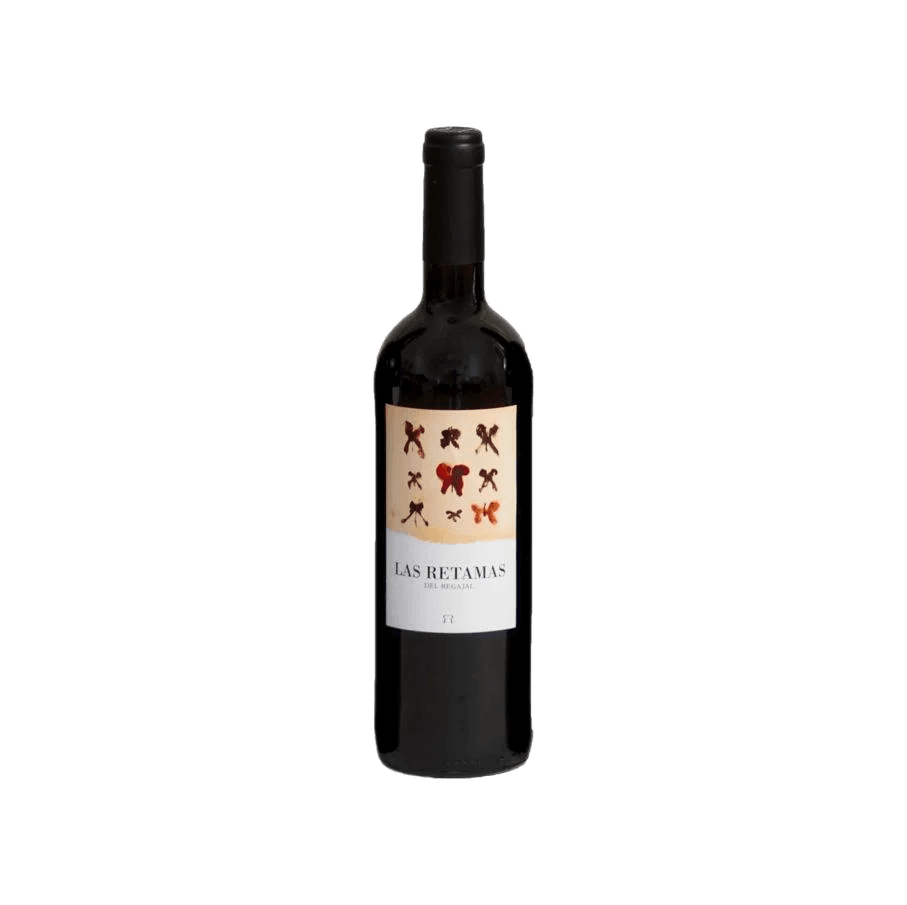
Las Retamas de El Regajal
Una expresión más accesible, centrada en la frescura, la claridad de la fruta y la facilidad de acceso temprana
Visita a la Bodega
Las visitas a Bodegas El Regajal son con cita previa y están estructuradas en torno a entender la finca como un ecosistema tanto como un viñedo.
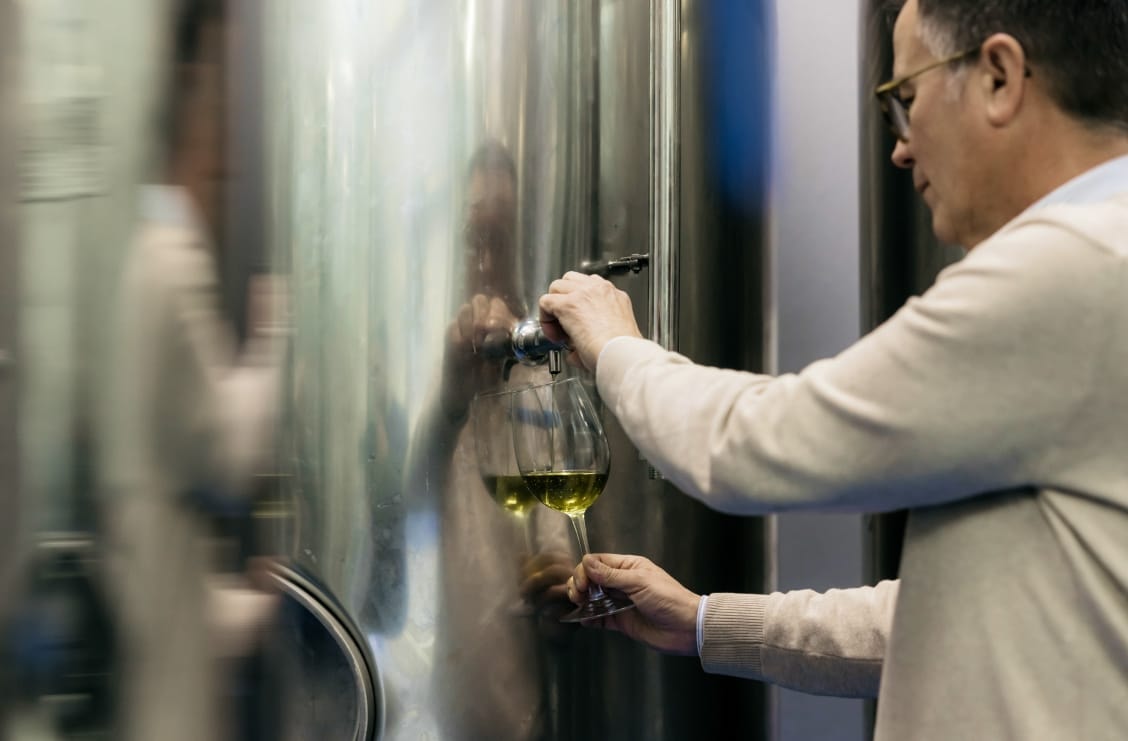
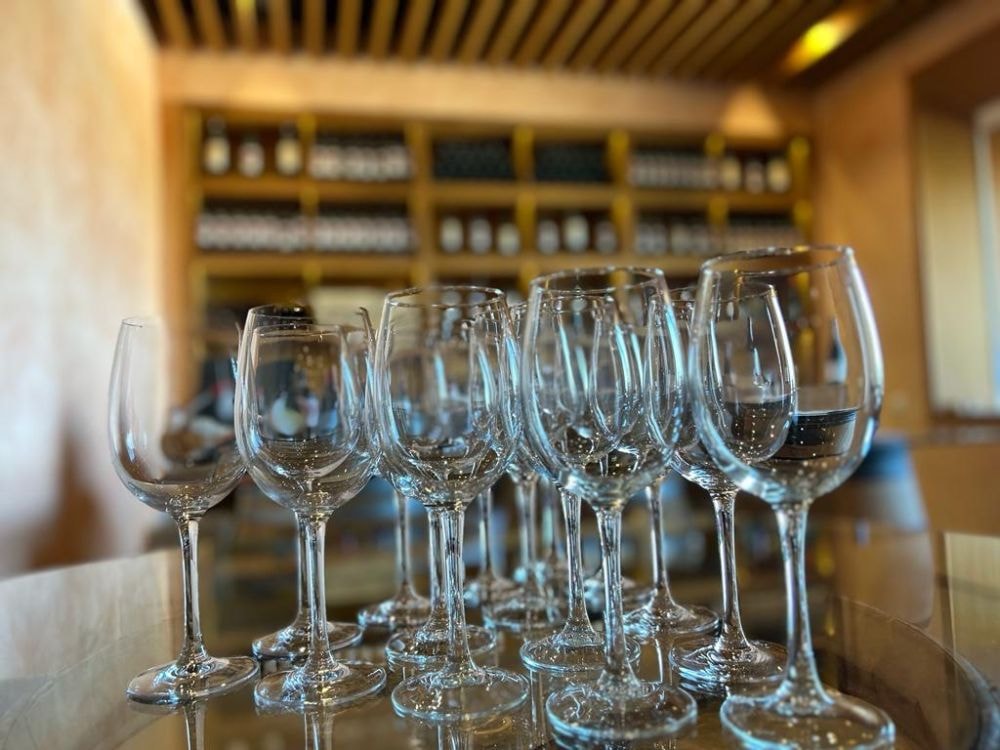
Las experiencias suelen incluir un paseo por los viñedos y los alrededores naturales, una introducción a la reserva de mariposas y su papel en la viticultura, y una cata guiada de los vinos. La visita enfatiza el paisaje, la biodiversidad y los ritmos estacionales junto con el vino.
Lugares Cercanos
Por Qué Es Importante
Bodegas El Regajal representa un enfoque distintivo dentro de la Tierra del Vino de Madrid, demostrando que la viticultura puede operar en diálogo directo con un entorno natural protegido. Muestra cómo la calidad a largo plazo puede construirse a través del equilibrio ecológico en lugar de control, y cómo el vino puede servir como el resultado visible de un sistema invisible donde el suelo, el clima, la flora, la fauna y las decisiones humanas permanecen estrechamente alineados.