

Sierra Norte de Madrid
Patones de Arriba & Buitrago del Lozoya
In Madrid’s northern reaches, wine country rises into altitude, stone, and silence, and nowhere is this more powerfully felt than in Patones de Arriba.
Sierra Norte de Madrid
Sierra Norte de Madrid
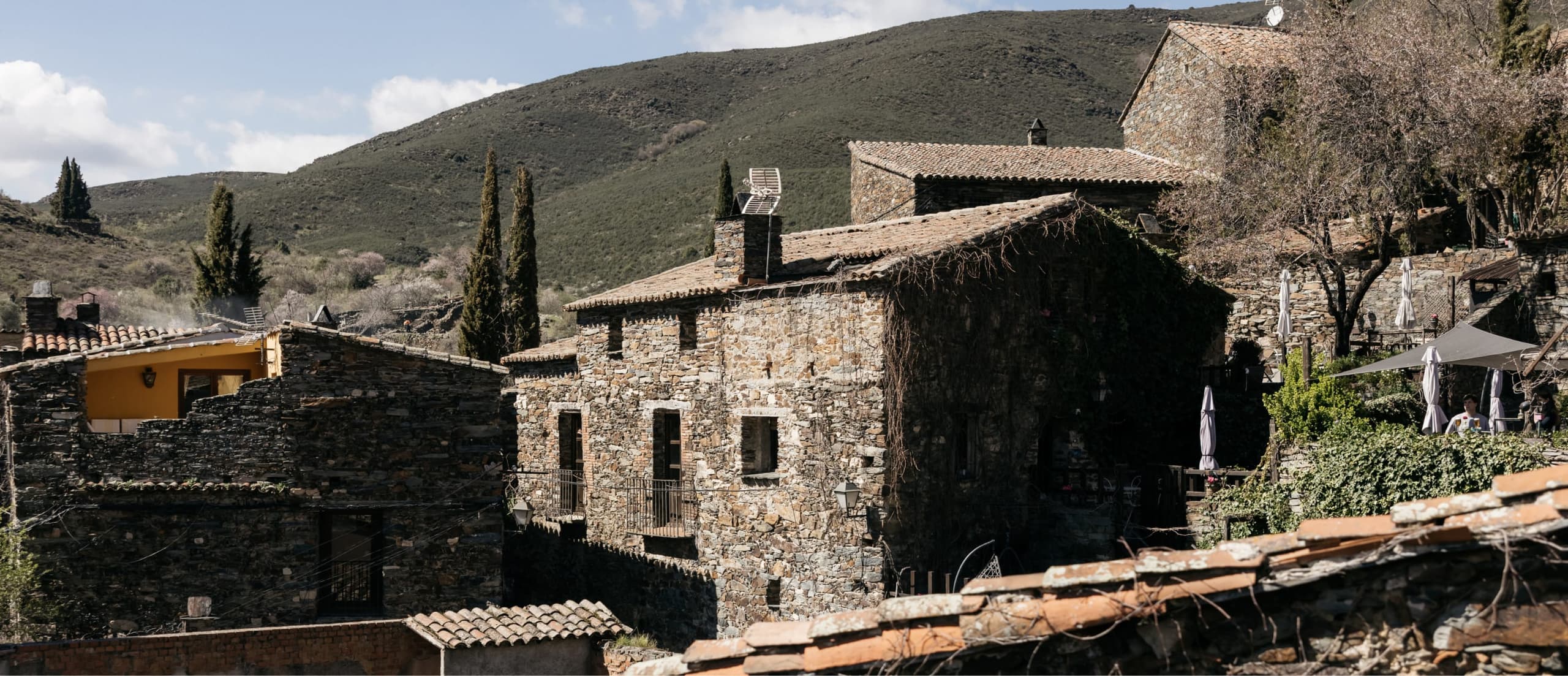
In Madrid’s northern reaches, wine country rises into altitude, stone, and silence, and nowhere is this more powerfully felt than in Patones de Arriba. Built almost entirely from local black slate, Patones is one of Spain’s most striking examples of vernacular mountain architecture, a village that seems less constructed than emerged from the hillside itself. For centuries it remained isolated, preserving a way of life tied to shepherding, transhumance routes, and the rhythms of the Sierra, which gives the town its rare sense of authenticity. Narrow, winding lanes, low stone houses, and carefully integrated terraces create a tactile, immersive experience where light, texture, and silence dominate.
From its elevated position, Patones overlooks vast stretches of rugged landscape, reinforcing a feeling of remoteness despite its proximity to Madrid. Cooler temperatures, sharp mountain light, and deep historical continuity define the atmosphere, making Patones a powerful counterpoint to the surrounding vineyards. It is a place that invites slow walking, quiet observation, and a deep appreciation of how landscape, architecture, and culture can exist in complete harmony—revealing a dramatic, elemental side of Madrid Wine Country that feels both ancient and unforgettable.
Cultural moments
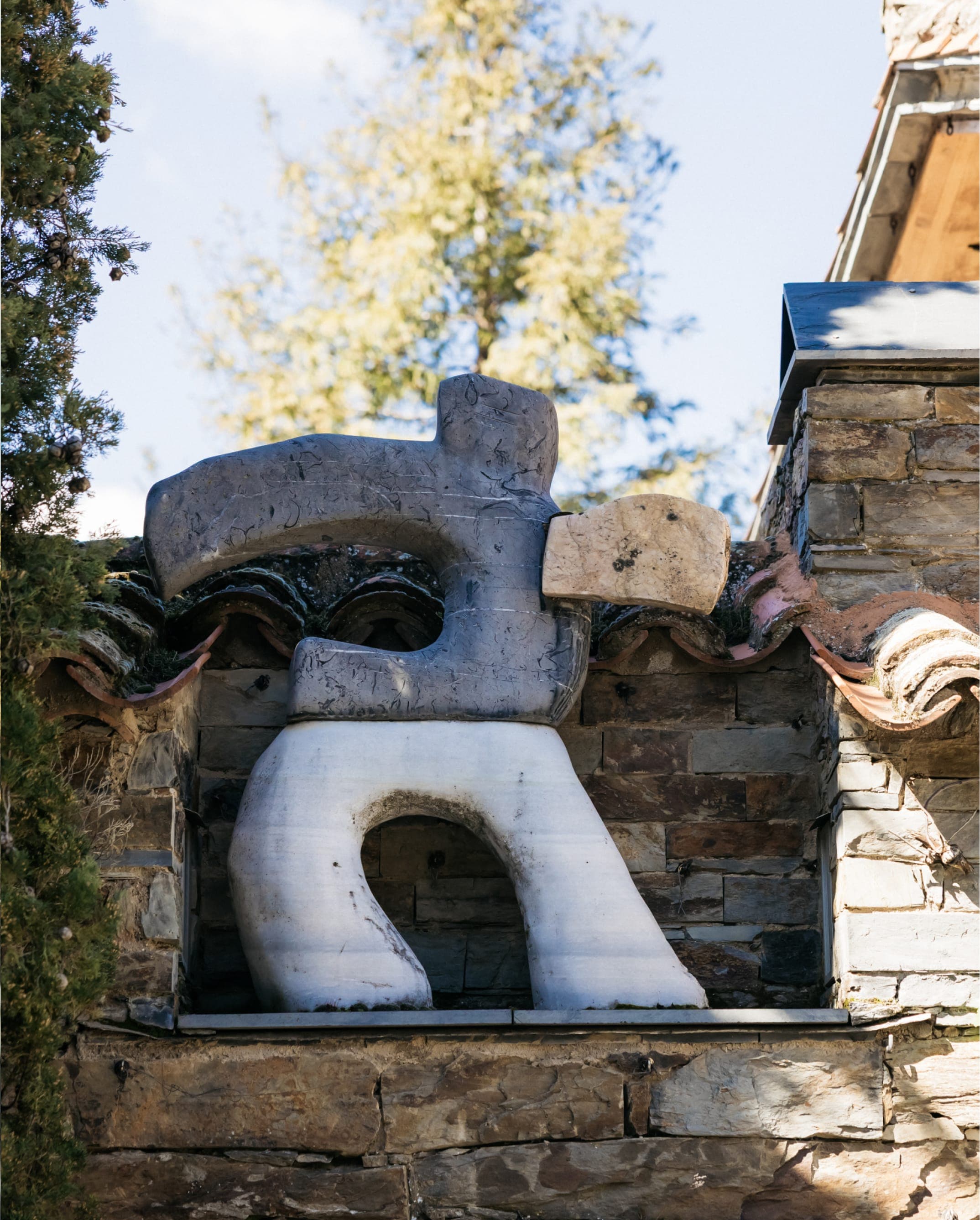
Best cultural moment: September, combining the Medieval Festival in Buitrago del Lozoya with late-summer mountain life in Patones de Arriba, when history, landscape, and community converge most vividly.
Fiestas Patronales de San Roque (Patones de Arriba) – August. The principal celebrations of Patones, marked by community gatherings, music, and traditional activities that animate the slate-built streets while preserving the village’s intimate scale and mountain character.
Traditional winter festivities – Winter. Seasonal gatherings linked to the rural calendar of the Sierra, reflecting shepherding culture and mountain life, with simple communal events shaped by cold weather, fire, and shared meals.
Medieval Festival of Buitrago del Lozoya – September. One of the most important historical festivals in northern Madrid, transforming the walled town of Buitrago into a medieval setting with markets, reenactments, music, and craft demonstrations, all set within its intact defensive walls.
Semana Santa (Holy Week). Religious observances in both villages retain a sober, traditional tone, with processions and ceremonies shaped by stone architecture, mountain silence, and long-standing local customs.
Summer mountain season – Late spring to early autumn. While not a formal festival, warmer months bring cultural activities, open-air events, and increased village life, when the Sierra Norte’s altitude, cooler temperatures, and landscape become central to social life.