

Nuevo Baztán
Nuevo Baztán is one of Spain’s most extraordinary and least expected urban creations
Nuevo Baztán is one of Spain’s most extraordinary and least expected urban creations—a complete Enlightenment-era industrial town conceived in the early 18th century.
Nuevo Baztán
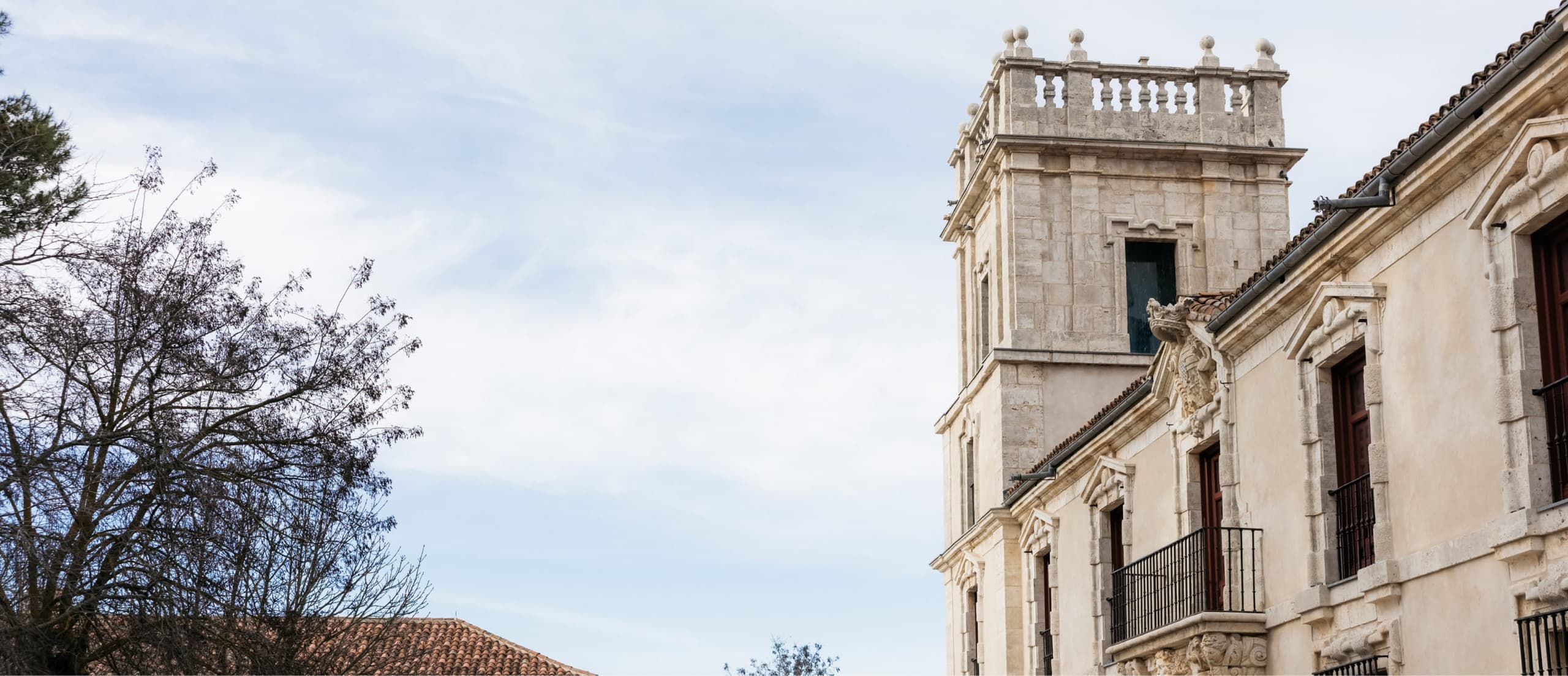
Nuevo Baztán
Nuevo Baztán is one of Spain’s most extraordinary and least expected urban creations—a complete Enlightenment-era industrial town conceived in the early 18th century. Founded by the visionary entrepreneur Juan de Goyeneche, with the active involvement of Jesuit thinkers and engineers of the time, Nuevo Baztán was designed as a living laboratory for innovation, education, and economic self-sufficiency. Organized around a central palace-church complex, its symmetry and architectural unity feel almost utopian, especially when set against open countryside. This was a town built on ideas: industry, science, craftsmanship, and learning, centuries before modern planning language existed.
Over time, its clarity of form and quiet grandeur attracted artists, architects, and intellectuals, drawn by the sense that the place itself was a manifesto. Walking its streets today feels like stepping into a social experiment frozen in stone, where ambition, rationalism, and belief in progress still resonate. Linked to nearby vineyards and rural routes, Nuevo Baztán adds a rare intellectual and visionary dimension to Madrid Wine Country—one that surprises, provokes, and lingers long after the visit.
Cultural moments
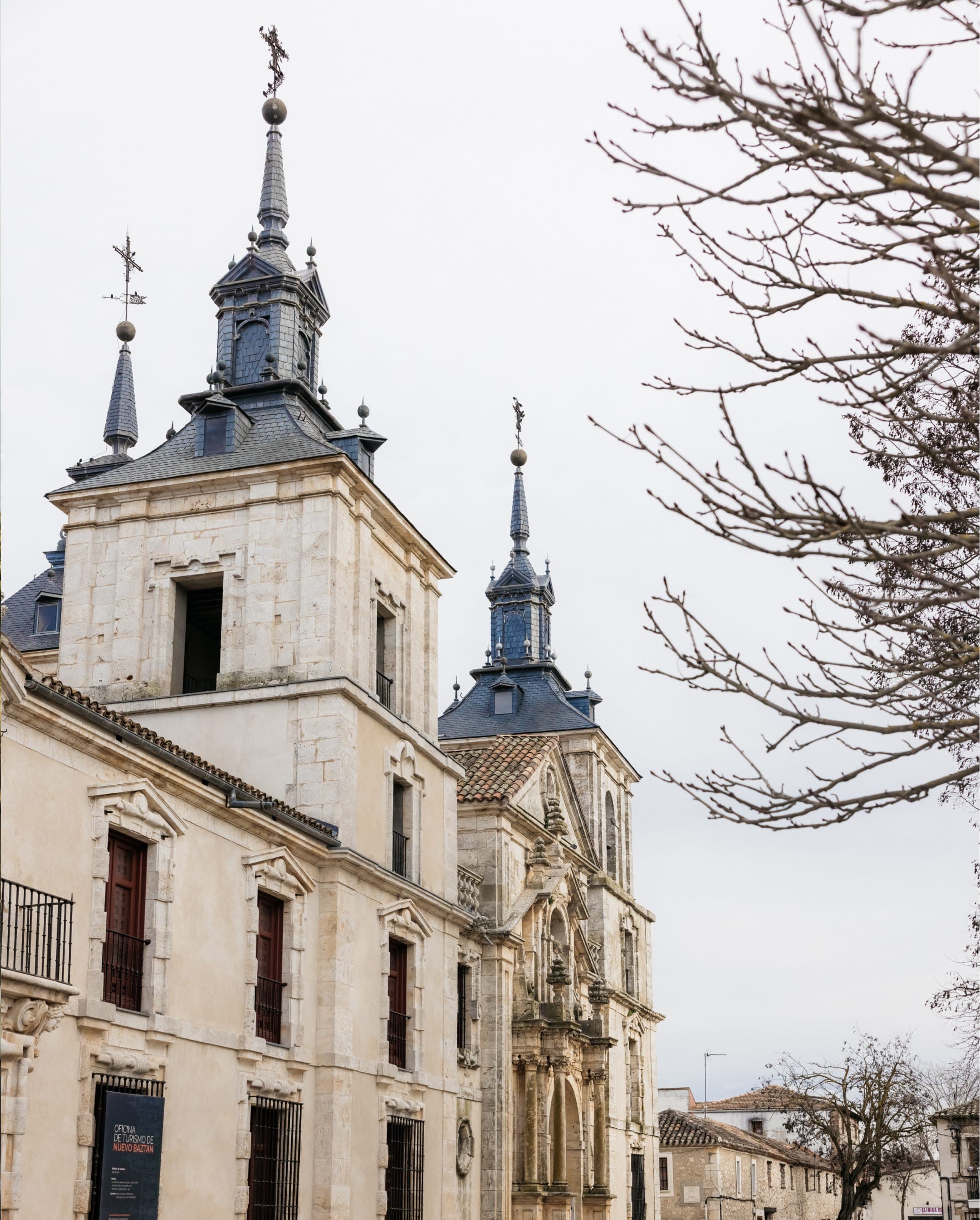
Best cultural moment: Spring, when Enlightenment-themed events and cultural programming bring the town’s original spirit of ideas, innovation, and experimentation most clearly to life.
Fiestas Patronales de San Francisco Javier – December
The principal local celebrations, combining religious observances, community gatherings, and cultural activities that activate the historic palace–church complex and surrounding streets.
Jornadas Barrocas / Enlightenment Cultural Days – Spring
Cultural events centered on the town’s 18th-century origins, including guided visits, lectures, concerts, and historical reenactments that highlight Nuevo Baztán’s role as an Enlightenment-era industrial and intellectual experiment.
Semana Santa (Holy Week)
Processions take place within the highly ordered urban layout, where the town’s symmetry and architectural clarity lend a solemn and contemplative character to the celebrations.
Cultural weekends and exhibitions – Throughout the year
Art exhibitions, concerts, and heritage-focused activities regularly use the palace, church, and public spaces, continuing the town’s long association with learning, creativity, and intellectual life.