

Colmenar de Oreja
Famoso por su extensa red de bodegas subterráneas, cuevas de almacenamiento y canteras.
Colmenar de Oreja se siente como una sección geológica de la historia de Madrid, tallada capa por capa en piedra caliza y arcilla.
Colmenar de Oreja
Colmenar de Oreja
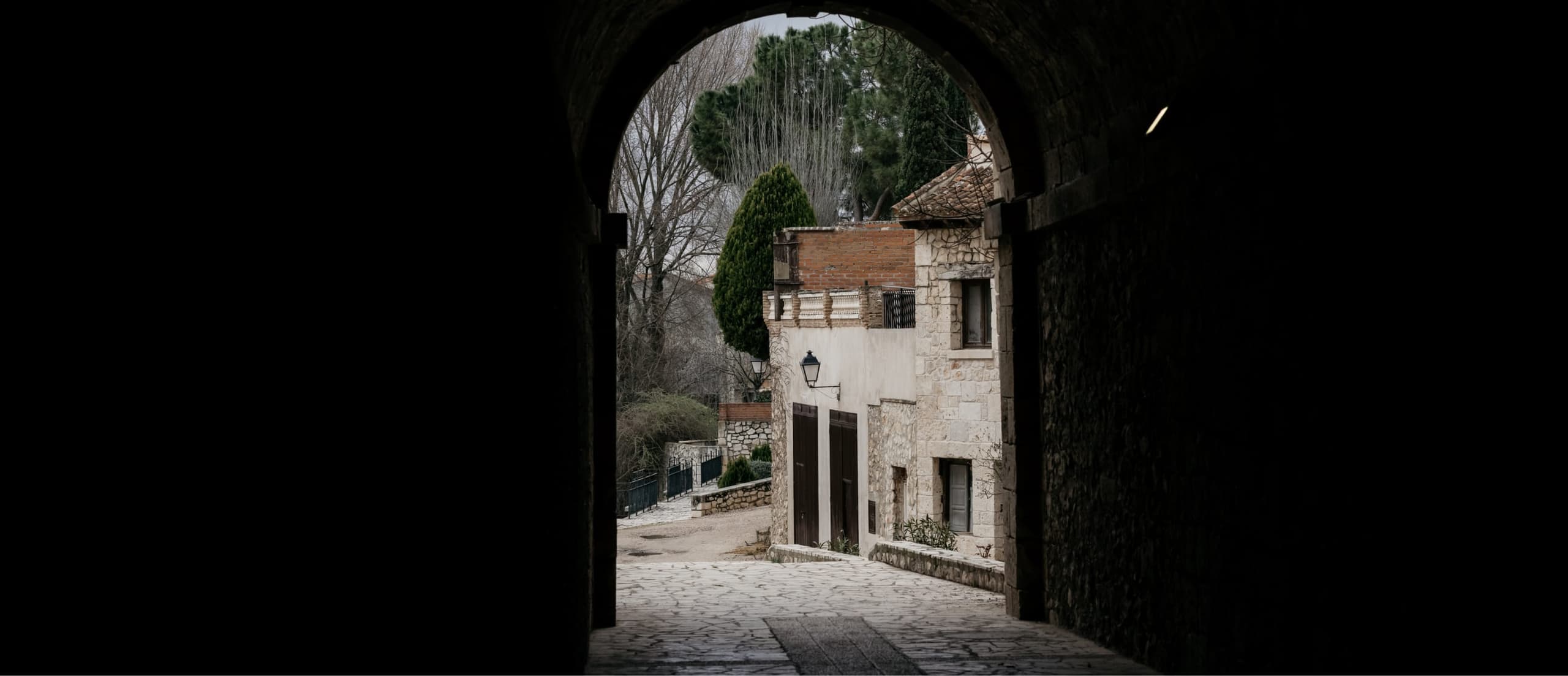
Colmenar de Oreja se siente como uncorte geológicode la historia de Madrid, tallada capa por capa en piedra caliza y arcilla. Famoso por su extensa red debodegas subterráneas, cuevas de almacenamiento y canteras, el pueblo literalmente se encuentra sobre su propio mundo oculto. Uno de sus hitos más evocadores es elPuente del Zacatín, un puente histórico que una vez conectó rutas comerciales clave y aún simboliza el papel de Colmenar como un cruce de agricultura, vino y artesanía.
Sobre todo ello se encuentra la monumentalPlaza Mayor, construida sobre bodegas abovedadas y espacios subterráneos, creando la impactante sensación de que la plazaflota sobre la vida subterránea del pueblo—un fenómeno urbano raro nacido de siglos de adaptación práctica en lugar de espectáculo. Restos romanos, iglesias barrocas y edificios de piedra de yeso le dan a Colmenar una presencia sobria y poderosa. Este no es un pueblo moldeado para el turismo, sino uno moldeado porel trabajo, el tiempo y la necesidad, donde la cultura del vino nunca fue decorativa—fue estructural, funcional y esencial.
Cuando el pueblo realmente cobra vida
Mejor ventana de visita cultural:Septiembre (fiestas) o Semana Santa
Fiestas del Cristo del Humilladero– Septiembre
Celebraciones religiosas, conciertos, reuniones tradicionales y comidas comunitarias. La plaza del pueblo se convierte en el corazón social.
Eventos tradicionales de toros
Como muchos pueblos históricos de Castilla, las festividades relacionadas con los toros forman parte de las celebraciones patronales locales, generalmente ligadas a las fiestas de septiembre.
Semana Santa
Las procesiones se mueven por las históricas calles de piedra — íntimas, solemnes, profundamente castellanas.